
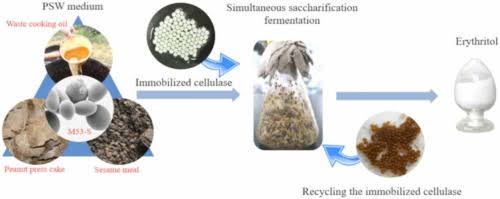
Pentaerythritol CAS: 115-77-5
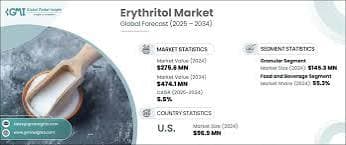
Pentaerythritol CAS: 115-77-5

Q2 earnings reports from global chemical and ingredient producers are revealing whether recent pricing gains are temporary or demand‑driven. This distinction is critical for food ingredient buyers as they forecast cost trajectories for the second half of 2026. Understanding the underlying drivers helps procurement teams make smarter sourcing decisions ου
As demand for textured soy protein and other plant-based ingredients grows, traceability has become a key requirement for regulatory compliance and supply chain confidence. Procurement teams should strengthen ingredient transparency to protect product quality and market access.
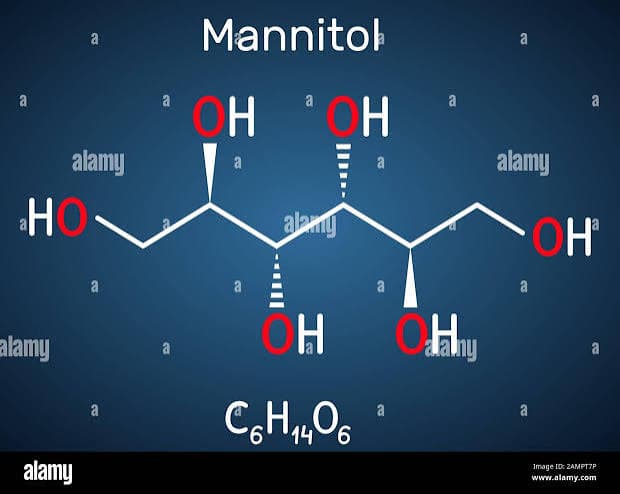
The rapid expansion of GLP-1 weight-loss therapies is creating unexpected demand pressure across sugar alcohol markets. Mannitol and sorbitol are benefiting from global reduced-calorie reformulation trends, making July an important procurement window before structural demand tightening becomes visible later in 2026.
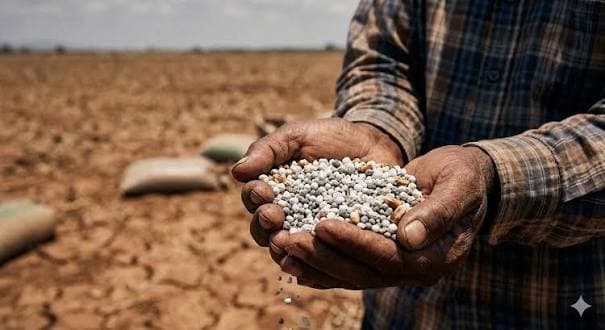
The Kiel Institute’s “Chemical-Food Cascade” framework explains how the 2026 Hormuz crisis is moving beyond chemical supply chains and into food inflation. Fertilizer disruption earlier this year may continue affecting corn, wheat, and sugar-based ingredient costs long after chemical logistics begin recovering.
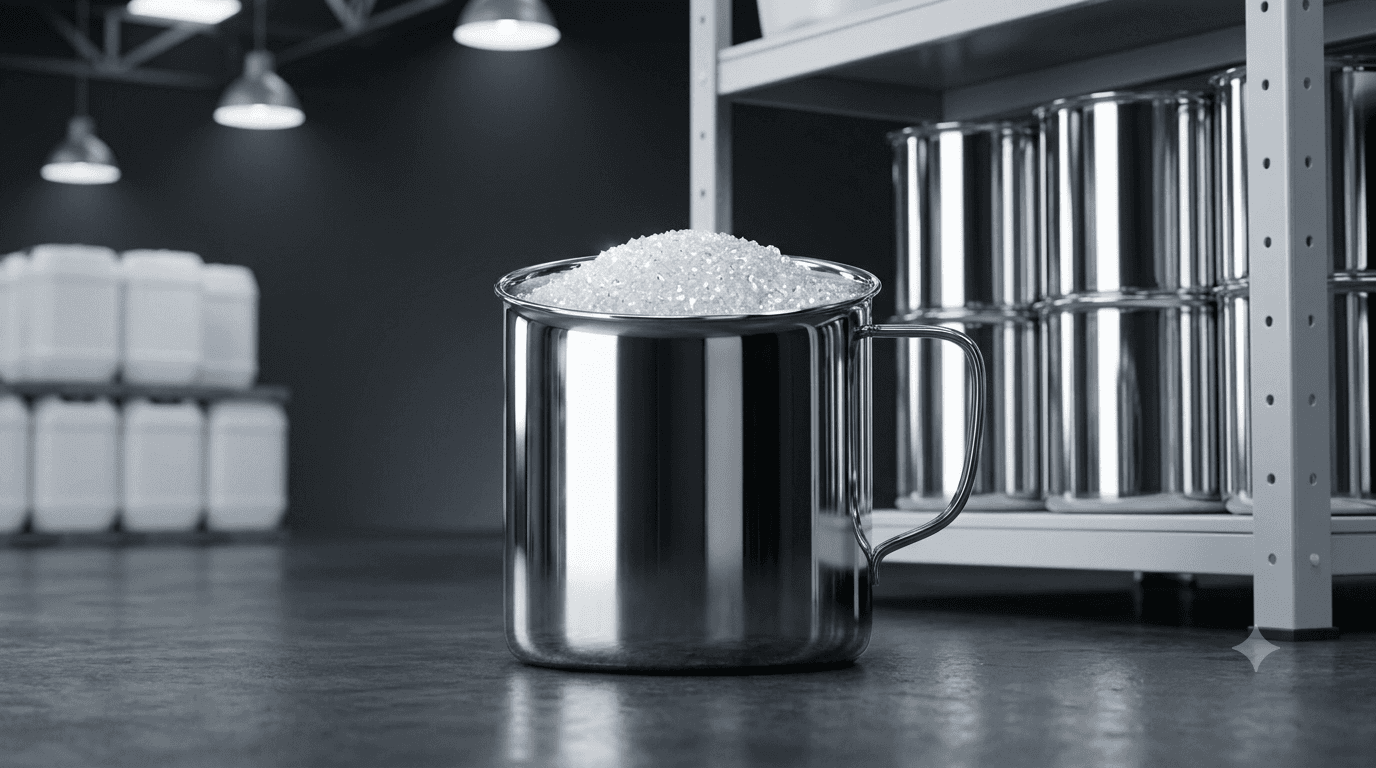
The sucralose market is entering a new phase in H2 2026 as changing consumer behavior linked to GLP-1 weight management therapies supports demand for low-calorie sweetness solutions. Food and beverage manufacturers are reassessing sourcing strategies as Chinese supply conditions, freight costs and contract negotiations shape delivered pricing.
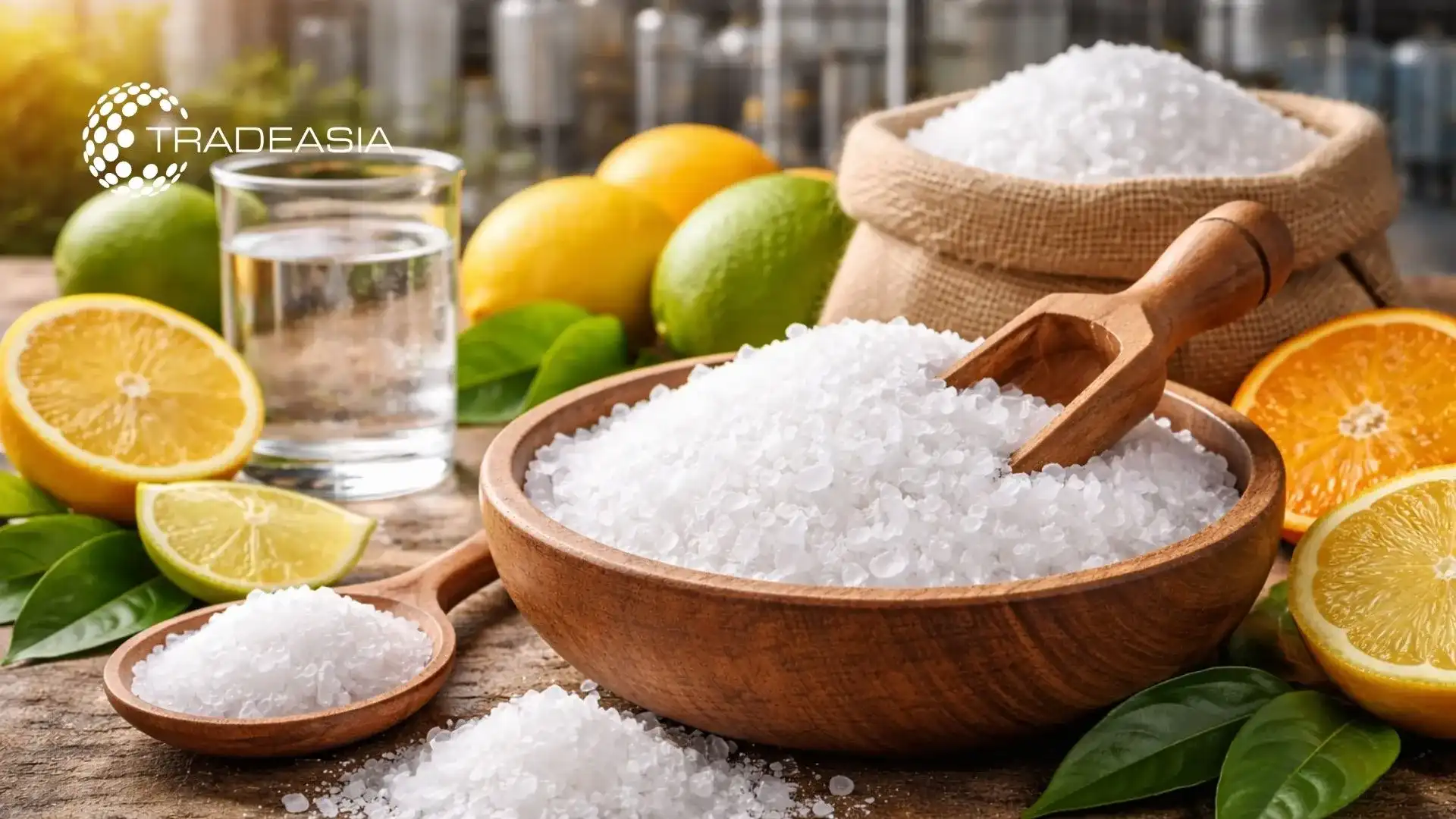
Citric Acid Monohydrate 2026 market insights on supply chain, applications, pricing, CAGR, and key industrial buyers shaping global demand.
हम आपकी गोपनीयता के लिए प्रतिबद्ध हैं। Tradeasia आपके द्वारा दी गई जानकारी का उपयोग प्रासंगिक सामग्री, उत्पादों और सेवाओं के बारे में आपसे संपर्क करने के लिए करता है। अधिक जानकारी के लिए हमारी गोपनीयता नीति देखें।