
Potassium Sorbate Food Grade (E202) CAS: 24634-61-5

Potassium Sorbate Food Grade (E202) CAS: 24634-61-5

The new PFAS thresholds under the PPWR will reshape food packaging procurement long before wider PFAS restrictions arrive. Understand what the 25 ppb limit means for chemical suppliers, formulators and procurement teams preparing for compliance.
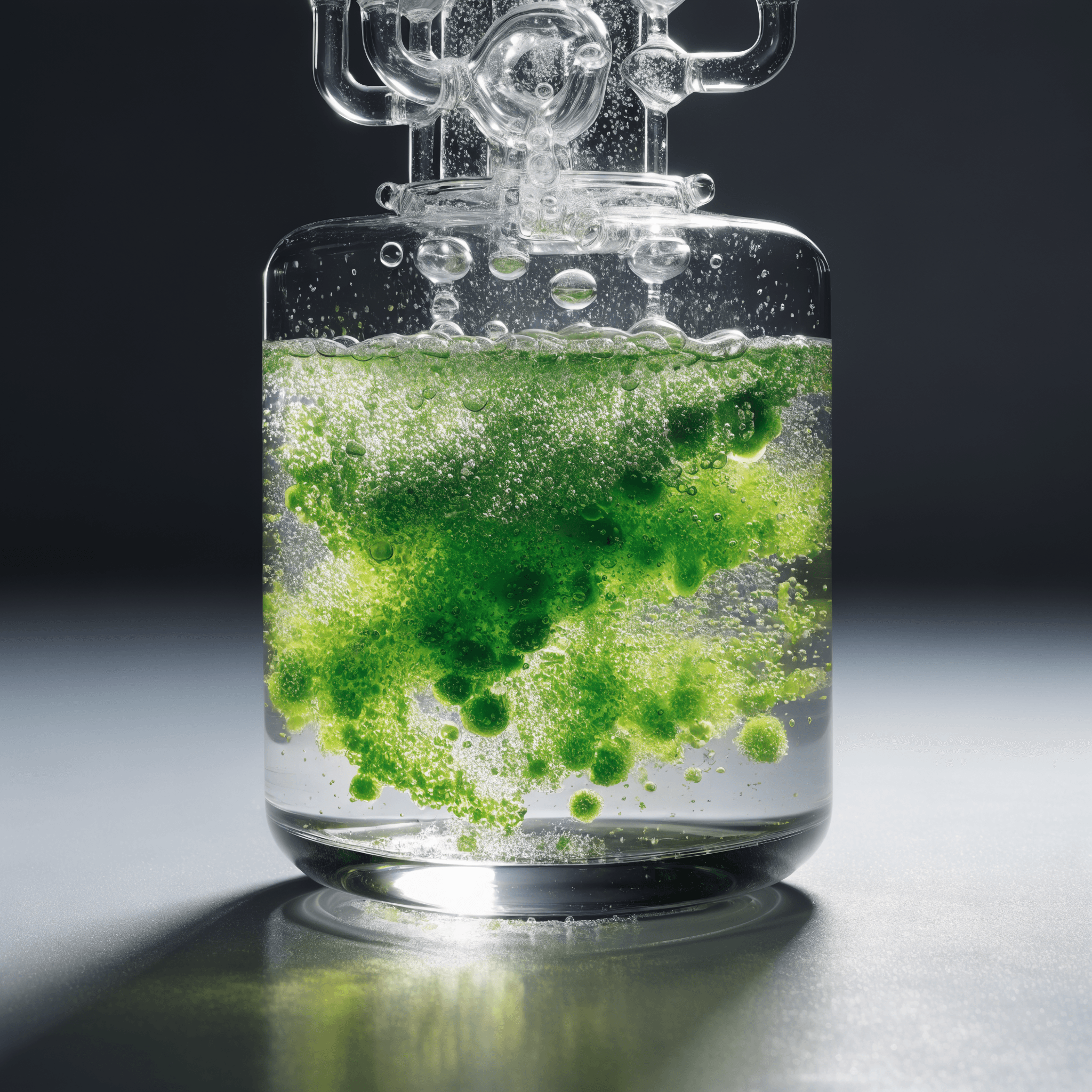
Fermentation-based marine ingredients such as algal DHA, astaxanthin and beta-glucan offer food manufacturers a more resilient supply chain during periods of global shipping disruption. Procurement teams should understand why production geography matters as much as ingredient performance.
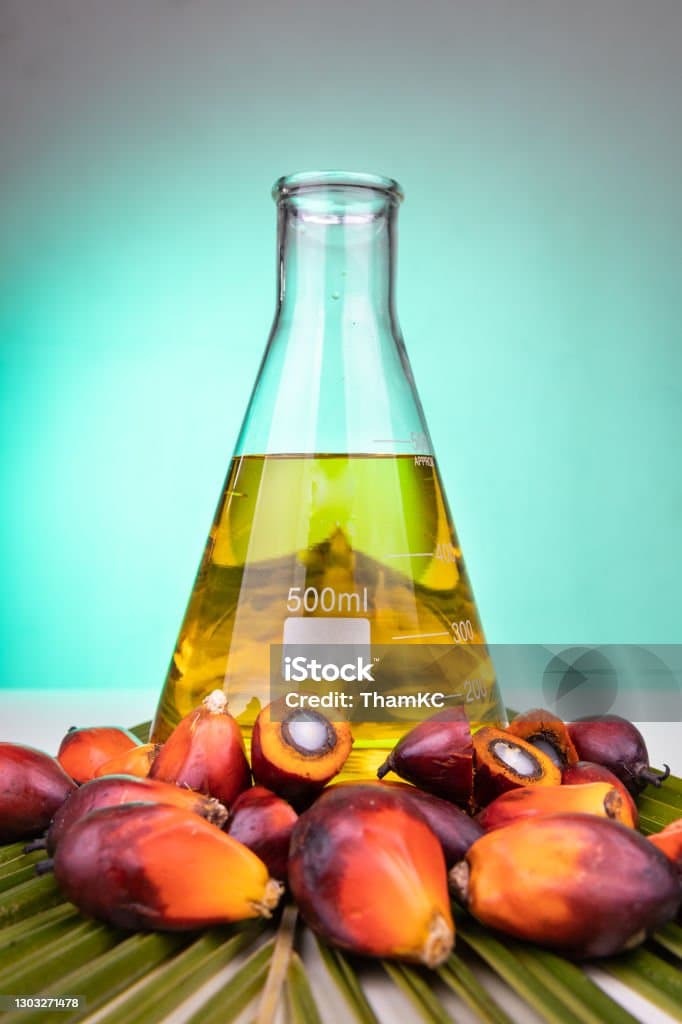
The EU Deforestation Regulation is changing how palm-derived food ingredients are sourced and documented. Procurement professionals supplying the European market must understand the ingredient-level documentation requirements and supplier audit expectations to maintain compliant supply chains.

Food ingredient procurement has become increasingly dependent on timely market intelligence. Real-time data helps buyers improve shipment visibility, anticipate freight changes and make sourcing decisions with greater confidence.

The Red Sea double closure continues to reshape food ingredient logistics between Asia and Europe despite improving Gulf shipping conditions. Procurement teams now face longer transit times, higher freight costs and new sourcing strategies as Cape routing remains the only practical option.
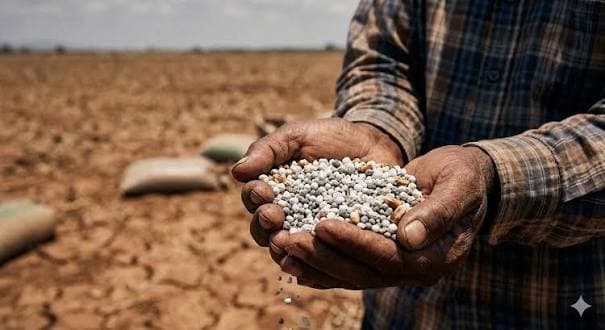
The Kiel Institute’s “Chemical-Food Cascade” framework explains how the 2026 Hormuz crisis is moving beyond chemical supply chains and into food inflation. Fertilizer disruption earlier this year may continue affecting corn, wheat, and sugar-based ingredient costs long after chemical logistics begin recovering.
हम आपकी गोपनीयता के लिए प्रतिबद्ध हैं। Tradeasia आपके द्वारा दी गई जानकारी का उपयोग प्रासंगिक सामग्री, उत्पादों और सेवाओं के बारे में आपसे संपर्क करने के लिए करता है। अधिक जानकारी के लिए हमारी गोपनीयता नीति देखें।