相关洞察

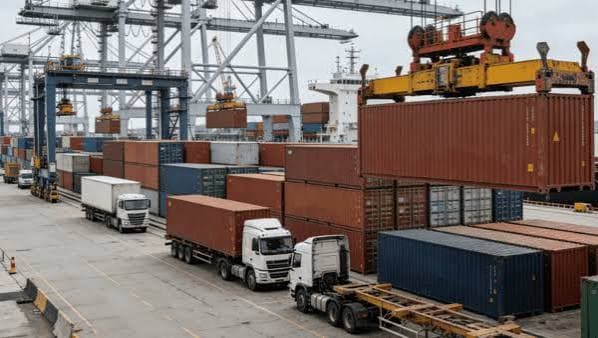
Baltic Dry Index Falls to a Two Week Low, What It Means for Bulk Food Ingredient Shipping
The Baltic Dry Index has slipped to a two week low, signalling changing conditions in the global dry bulk shipping market. Food ingredient importers and procurement teams should understand how freight trends can influence landed costs, sourcing strategies and supply chain planning.

PFAS in Packaging: Why the 25 ppb Threshold Matters for Food Contact Supply Chains
The new PFAS thresholds under the PPWR will reshape food packaging procurement long before wider PFAS restrictions arrive. Understand what the 25 ppb limit means for chemical suppliers, formulators and procurement teams preparing for compliance.
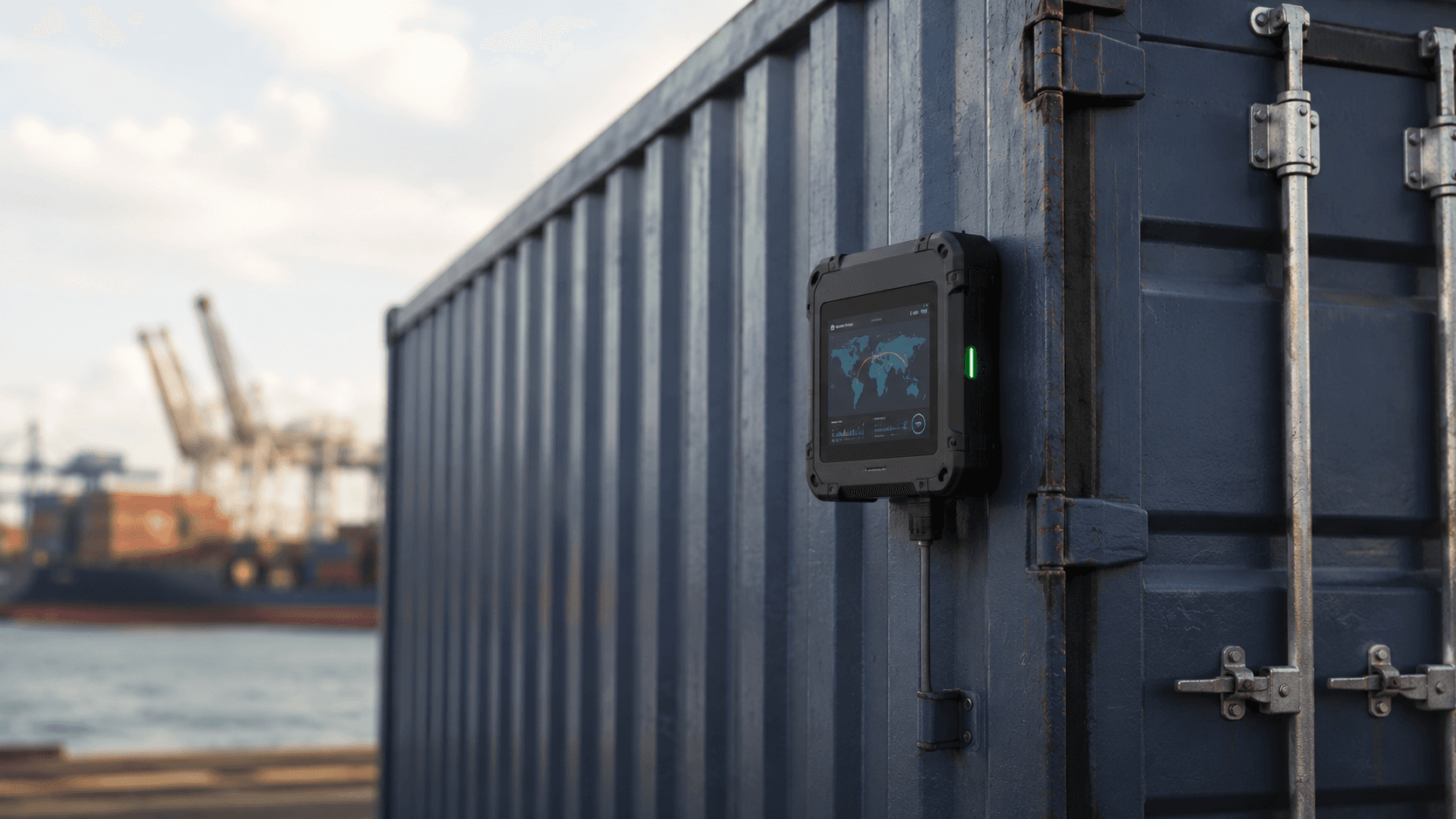
Food Ingredient Supply Chain Technology: Why Real-Time Data Is Becoming Essential for Procurement
Food ingredient procurement has become increasingly dependent on timely market intelligence. Real-time data helps buyers improve shipment visibility, anticipate freight changes and make sourcing decisions with greater confidence.

红海双重封锁和食品原料物流:两条封锁的走廊如何重塑欧亚供应链
尽管海湾航运条件有所改善,但红海双重封锁继续重塑亚洲和欧洲之间的食品原料物流。由于Cape路线仍然是唯一可行的选择,采购团队现在面临更长的运输时间、更高的运费成本和新的采购策略。
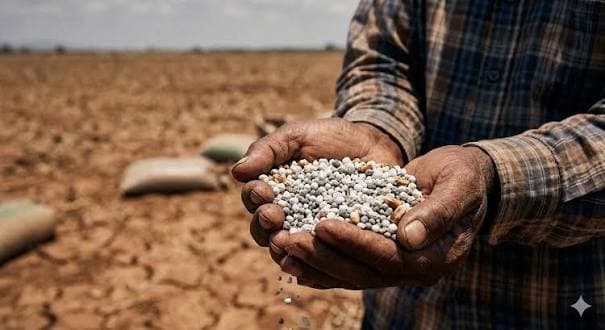
基尔研究所的 “化学食品级联”:化肥中断如何影响食品价格
基尔研究所的 “化学食品级联” 框架解释了2026年霍尔木兹危机如何超越化学品供应链转变为食品通胀。在化工物流开始恢复很久之后,今年早些时候的化肥中断可能会继续影响玉米、小麦和糖类原料的成本。
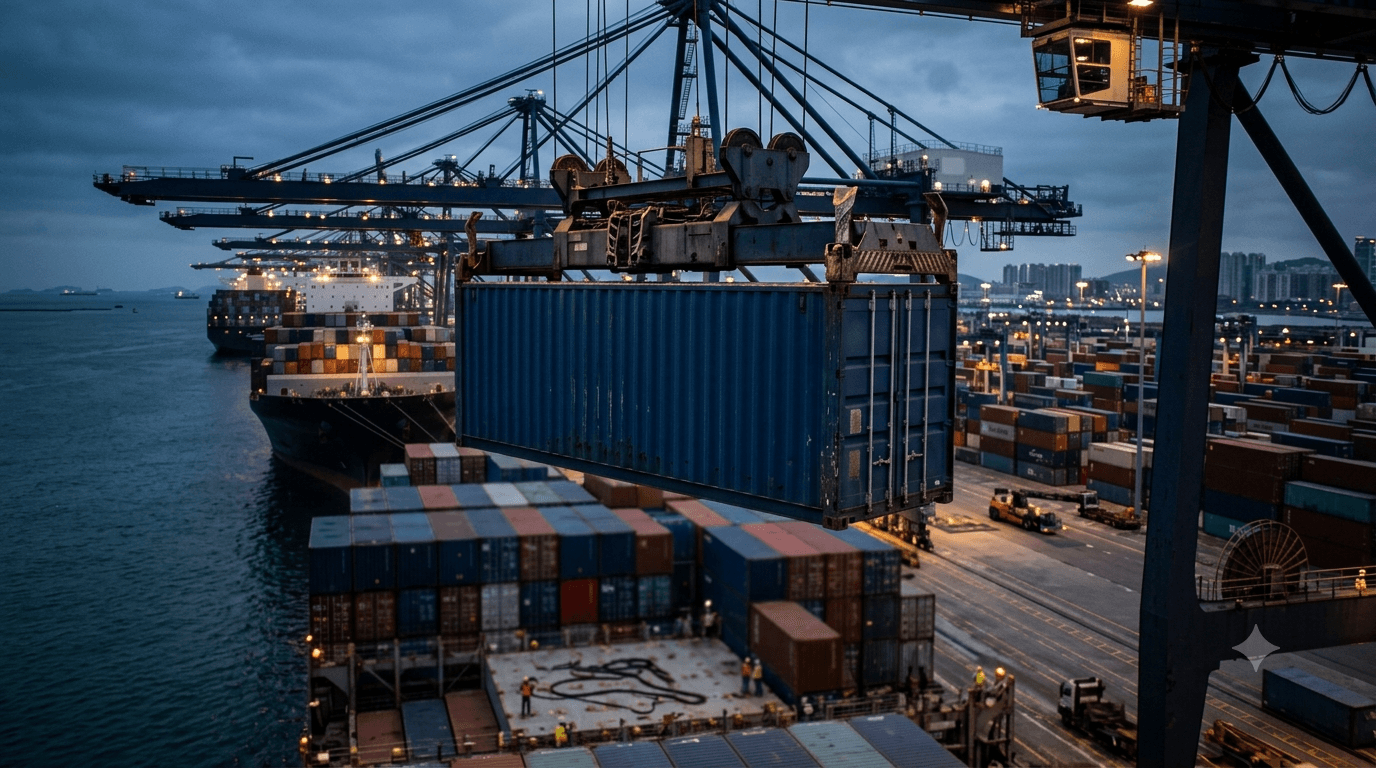
食品原料运费:布伦特原油跌破80美元标志着自2月份以来的首次船用燃料成本减免
自2026年2月以来,原油价格下跌为降低食品原料运费创造了第一个有意义的机会。在承运人调整燃油附加费之前,来自中国、东南亚和印度的买家应立即开始讨论与货运挂钩的定价问题
不要错过我们的更新!立即订阅我们的新闻通讯
我们重视您的隐私。Tradeasia 会使用您提供的信息,就相关内容、产品和服务与您联系。更多信息请查看我们的隐私政策。