
Understanding the Thai Cassava Landscape
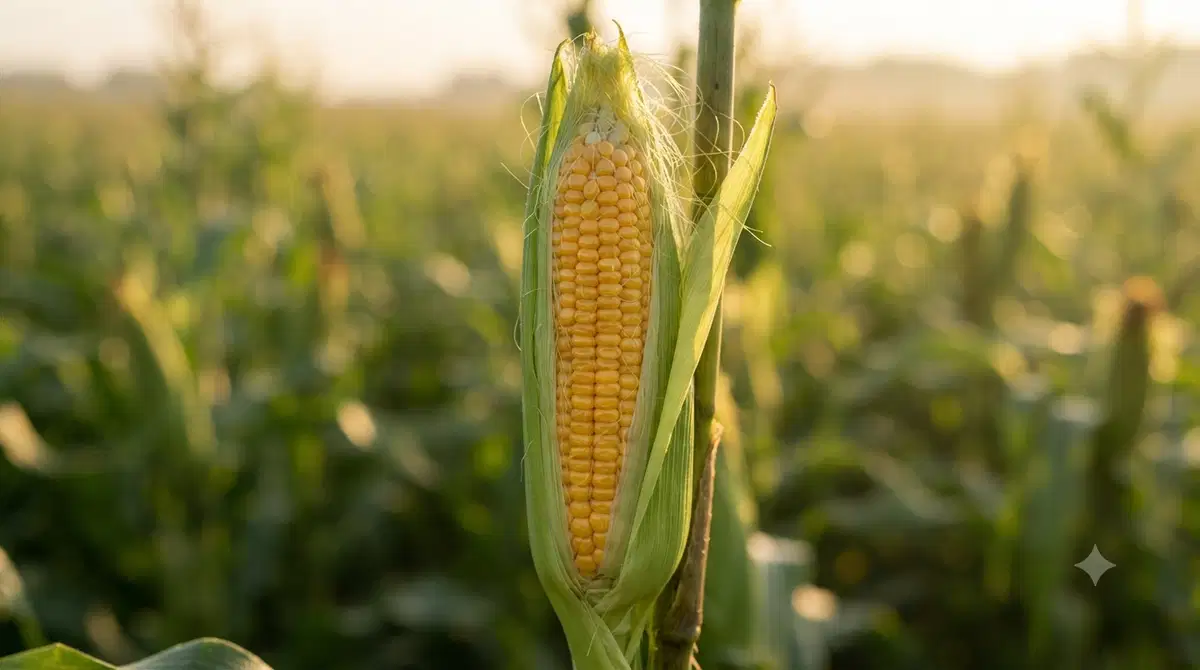
Thailand remains the heart of the global tapioca starch market, supplying roughly 60% of worldwide demand. The country’s cassava farms, spread across the central and northeastern regions, generate the raw material that is transformed into high‑quality starch used in food, cosmetics, and industrial applications.
Why Seasonality Matters
The cassava harvest is tightly linked to the country’s monsoon patterns. When rains arrive in May, root development accelerates, leading to a peak yield in July. However, the same weather that fuels growth also introduces challenges: excessive rain can damage roots, while droughts in late summer can reduce starch yield.
June‑September: The Critical Procurement Window
Procurement professionals must master the seasonal harvest cycles to anticipate price volatility and secure supply during the critical summer trough. From June through September, the market experiences a pronounced läk. Starch prices rise as the supply curve tightens, creating a narrow window for lock‑in purchases. Companies that fail to act within this period often face steep cost increases or shortages.
Monsoon Patterns and Their Impact
Early Monsoon (May–June) – Rapid root growth, high starch potential, but also increased pest pressure.
Peak Harvest (July–August) – Highest yield, but weather can cause sudden spikes in raw material costs.
Late Summer (September) – Drought risk, lower starch content, escalating prices.
Risk Factors to Monitor
Rainfall variability – Excessive moisture can lead to root rot.
Temperature swings – High temperatures reduce starch quality.
Supply chain disruptions from flooding or road closures.
Strategic Procurement Tactics
To navigate the June‑September trough, consider the following tactics:
Advance Contracts – Secure fixed prices early in the season.
Spot Market Hedging – Use futures or options to mitigate price spikes.
Local Partnerships – Build relationships with regional growers for priority access.
Data‑Driven Decision Making
Leverage satellite imagery and weather forecasting to predict yield trends. Combine this data with market intelligence filenames to forecast price movements accurately. Employing predictive analytics can reduce the risk of overpaying during the critical summer trough.

Supply Chain Resilience
Invest in diversified logistics networks. Dual‑mode transport options—rail and sea—can reduce delivery lead times if one channel becomes congested. Additionally, maintaining buffer stocks during the low‑price period (April‑May) can provide a safety net for the high‑cost months.
Case Study: Successful Summer Procurement
A mid‑size food manufacturer secured 30% of its annual tapioca starch requirement through a fixed‑price contract signed in early May. By locking in a rate below the expected peak, the company avoided a 12% price hike that other competitors faced in July. The strategy also enabled smoother production schedules and cost predictability.
Conclusion
Thailand’s cassava industry, while a powerhouse of the global tapioca starch market, requires careful seasonal planning. Procurement professionals who master the June‑September trough, anticipate monsoon‑driven fluctuations, and employ robust risk‑management tools will secure reliable supply chains and protect margins in a volatile market.
Tapioca Starch CAS: 9057-07-02