
相关洞察

Baltic Dry Index Falls to a Two Week Low, What It Means for Bulk Food Ingredient Shipping
The Baltic Dry Index has slipped to a two week low, signalling changing conditions in the global dry bulk shipping market. Food ingredient importers and procurement teams should understand how freight trends can influence landed costs, sourcing strategies and supply chain planning.
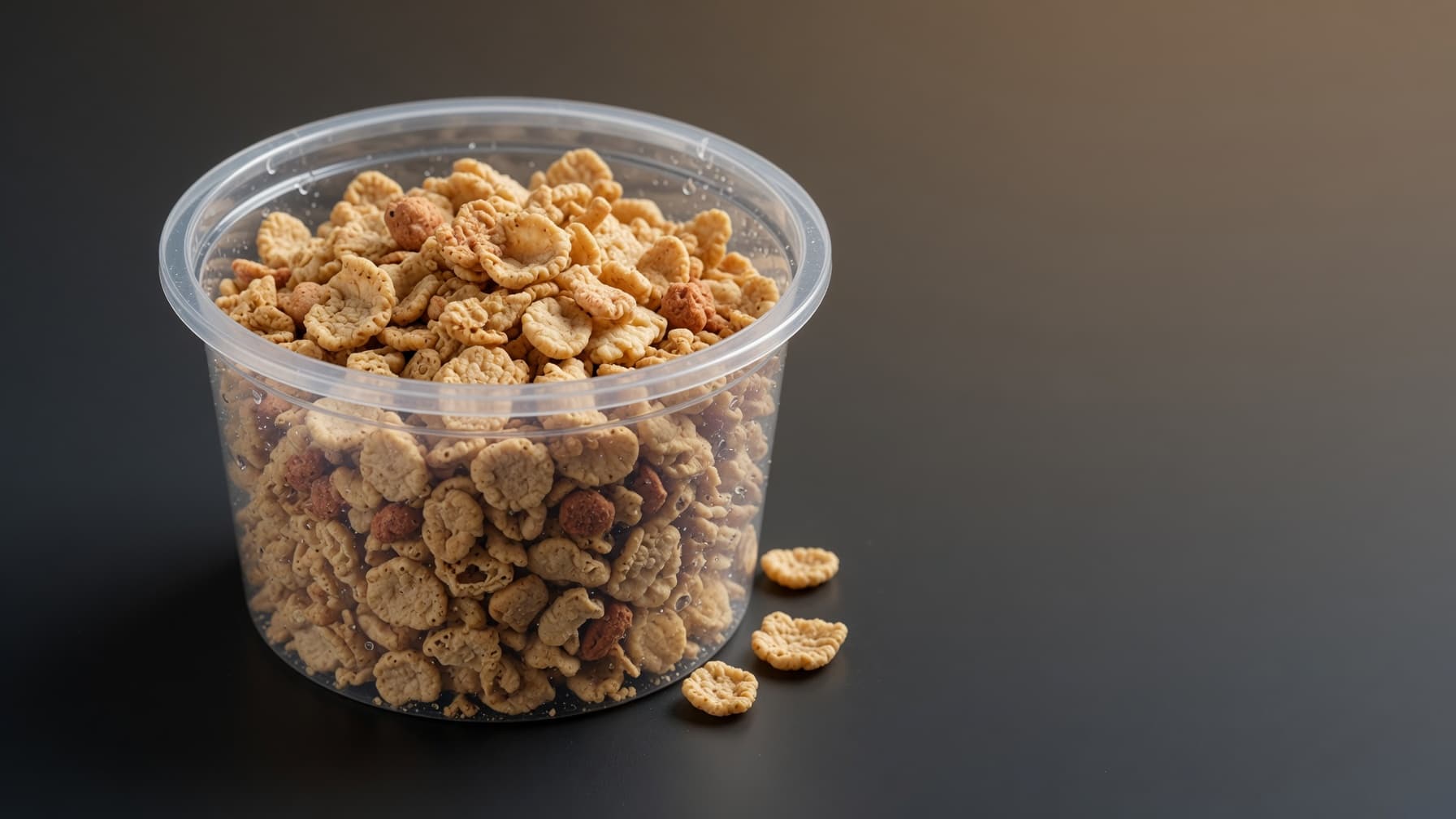
植物基蛋白:为什么可追溯性是原料采购的新竞争优势
随着对纹理大豆蛋白和其他植物基成分需求的增长,可追溯性已成为监管合规和供应链信心的关键要求。采购团队应加强成分透明度,以保护产品质量和市场准入。

藻油和海洋生物基成分:针对食品原料买家的独立供应策略
在全球运输中断期间,藻类 DHA、虾青素和 β-葡聚糖等发酵基海洋成分为食品制造商提供了更具弹性的供应链。采购团队应该了解为什么生产地理位置与原料性能一样重要。
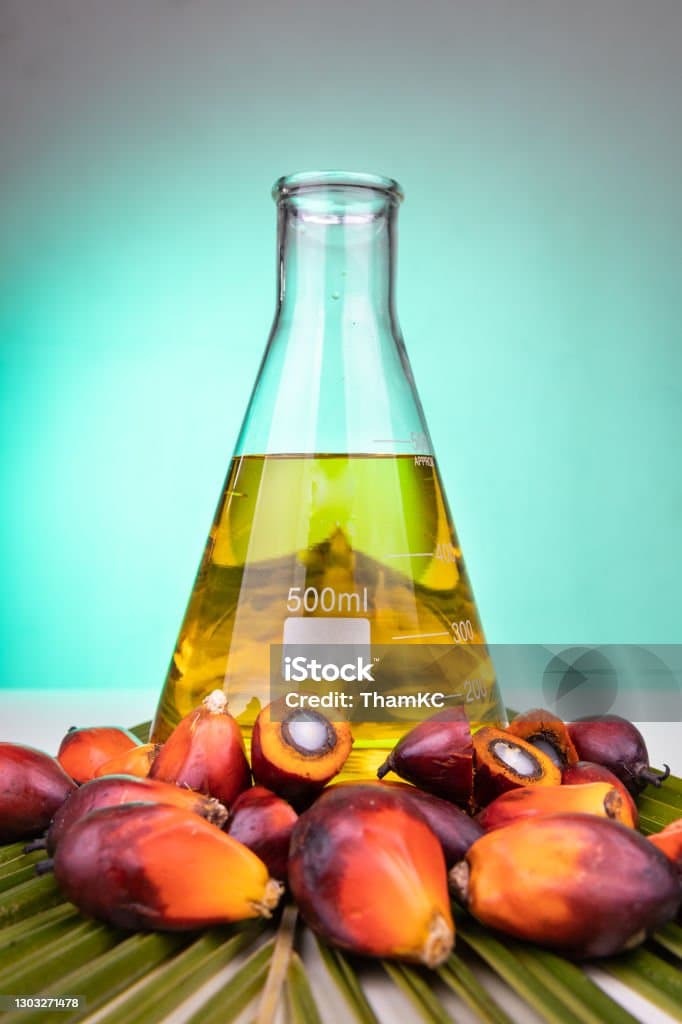
Palm Oleochemicals and the EUDR: How the Deforestation Regulation Reshapes Sourcing Options
The EU Deforestation Regulation is changing how palm-derived food ingredients are sourced and documented. Procurement professionals supplying the European market must understand the ingredient-level documentation requirements and supplier audit expectations to maintain compliant supply chains.
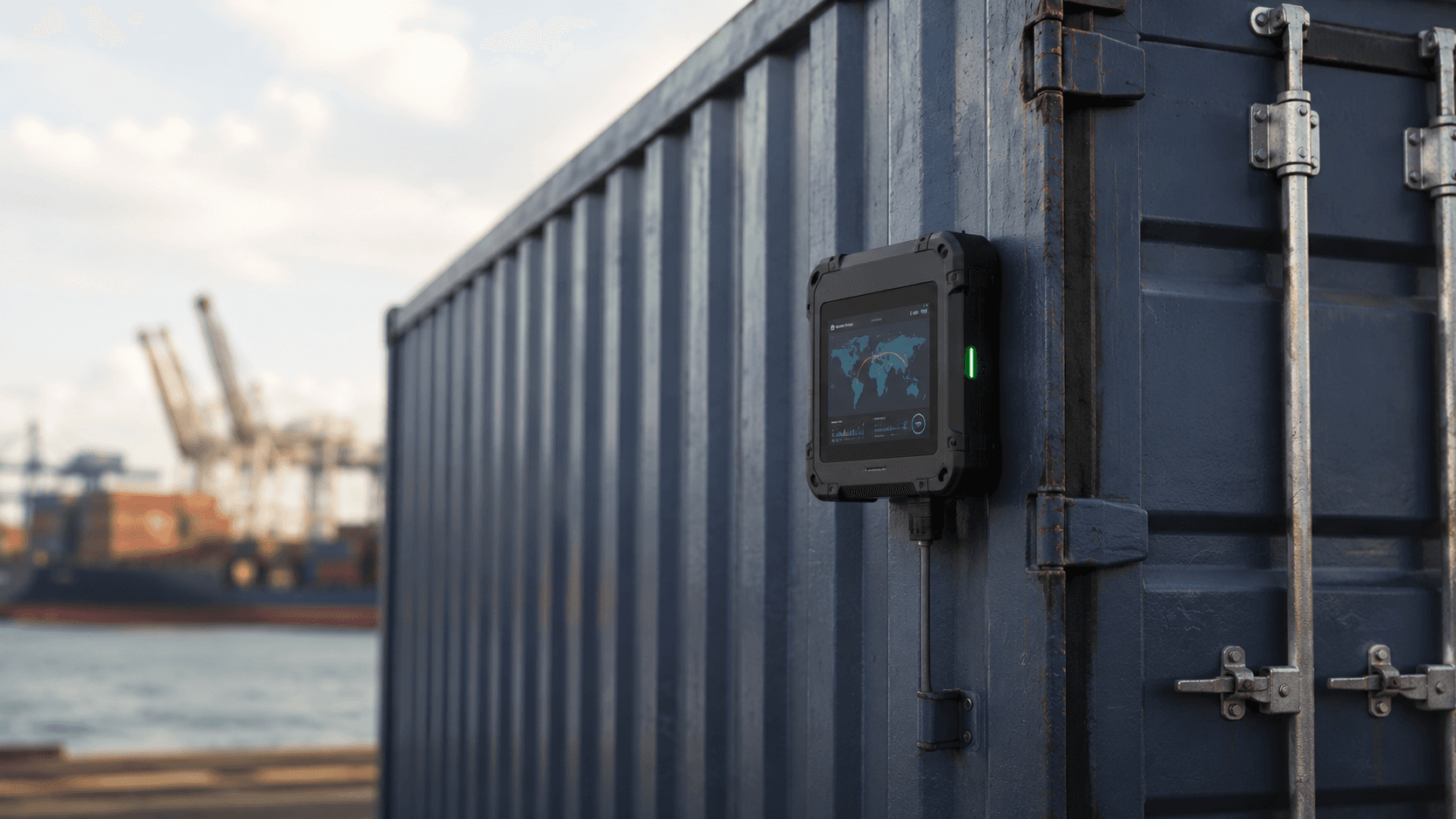
Food Ingredient Supply Chain Technology: Why Real-Time Data Is Becoming Essential for Procurement
Food ingredient procurement has become increasingly dependent on timely market intelligence. Real-time data helps buyers improve shipment visibility, anticipate freight changes and make sourcing decisions with greater confidence.
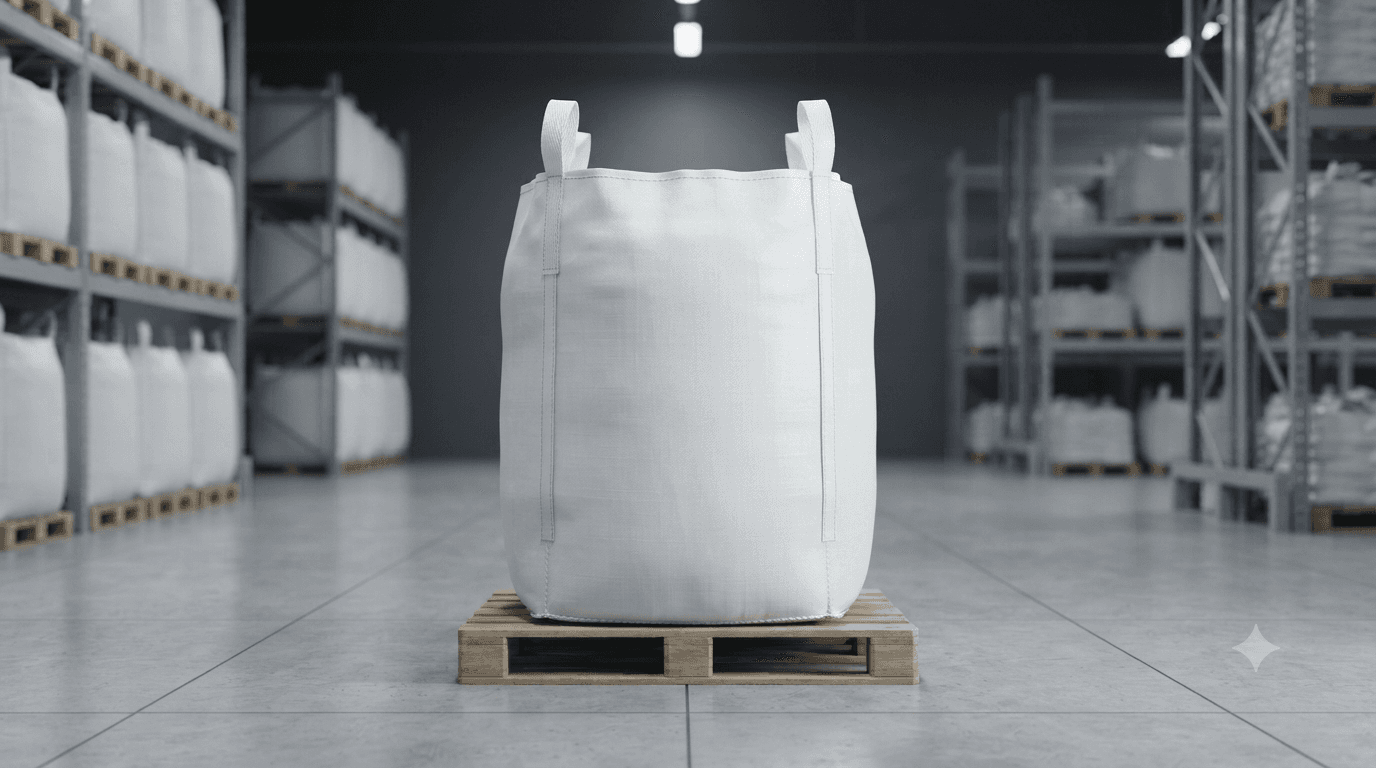
热带风暴亚瑟和墨西哥湾沿岸的化学干扰:这对玉米淀粉、葡萄糖和葡萄糖供应意味着什么
就在2026年大西洋飓风季节开始之际,热带风暴亚瑟再次关注墨西哥湾沿岸的供应链风险。了解炼油厂停产、物流中断和天气不确定性将如何影响2026年下半年玉米淀粉、葡萄糖和葡萄糖买家的采购策略。
不要错过我们的更新!立即订阅我们的新闻通讯
我们重视您的隐私。Tradeasia 会使用您提供的信息,就相关内容、产品和服务与您联系。更多信息请查看我们的隐私政策。