


Additives and modifiers cover a wide range of chemical allies, from UV stabilizers in plastics to viscosity enhancers in lubricants. They make it possible to fine-tune products to satisfy exacting requirements. These substances are essential for solving complex problems and attaining desired improvements in a wide range of applications.
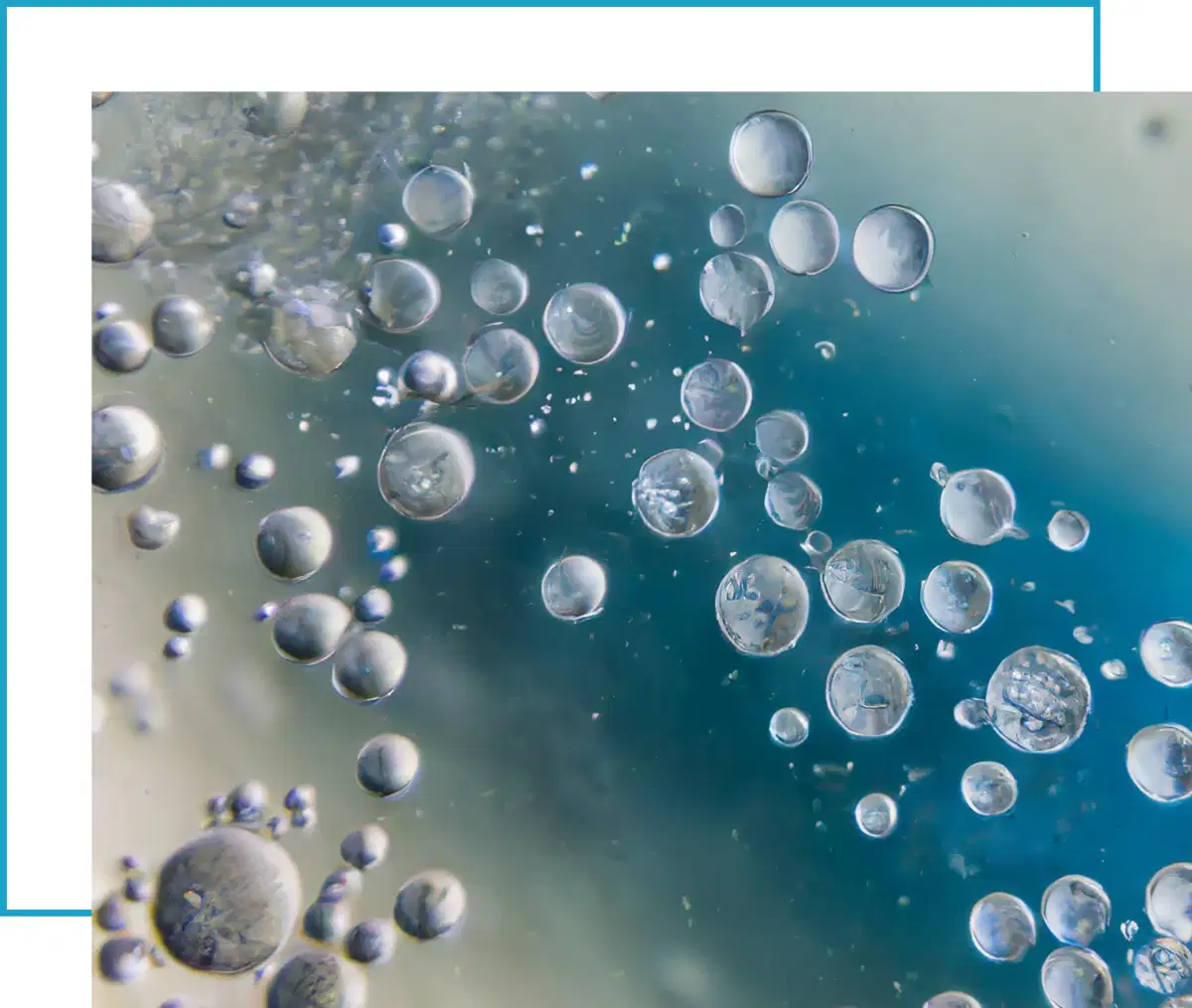
Cheating agents and builders are substances that are frequently used to improve the performance of various industries, such as detergents and cleaning products. By helping to sequester metal ions, chelating agents keep them from interfering with the performance of cleaning agents. Builders contribute to the softening of water, increasing the cleaning and detergent efficacy of products.

Inorganic chemicals are compounds that do not primarily contain carbon-hydrogen (C-H) bonds. They consist of elements other than carbon, and they can be naturally occurring minerals or synthesized materials. Inorganic chemicals cover a broad spectrum of substances, including minerals, metals, salts, and various compounds that do not fall under the category of organic chemistry. These substances have widespread applications in industries such as construction, electronics, agriculture, and manufacturing.

Oleochemicals are compounds derived from natural plant and animal fats. They're used as key ingredients in a diverse array of products, including soaps, detergents, cosmetics, and even food additives. These chemicals are sourced from renewable raw materials like vegetable oils, animal fats, and even recycled cooking oil. Oleochemicals are known for their eco-friendly nature, as they are biodegradable and often serve as sustainable alternatives to petroleum-based products. Their versatility makes them crucial in various industries, playing a significant role in creating environmentally conscious and bio-based products.

Organic chemicals are compounds primarily composed of carbon along with other elements like hydrogen, oxygen, nitrogen, sulfur, and more. They form the basis of a vast range of substances found in nature or produced through chemical synthesis. Organic chemicals are incredibly diverse, encompassing everything from simple molecules like methane and ethyl alcohol to complex structures like pharmaceuticals and polymers. They play a fundamental role in various fields including medicine, agriculture, manufacturing, and everyday consumer products.

Phosphorus compounds are a broad class of chemical materials that contain phosphorus. These substances are essential to many different industries because they can be used as flame retardants in textiles and plastics, scale and corrosion inhibitors in water treatment, fertilizers in agriculture, and detergent components. Because of their many applications and adaptable qualities, phosphorus compounds are important for advancing various industrial sectors.

Salts are chemical compounds formed by the ionic bonding of positively charged ions (cations) and negatively charged ions (anions). They are created through the reaction of an acid with a base, resulting in the formation of a neutral compound. Salts can take various forms, from crystalline solids to dissolved ions in solution. Common examples include table salt (sodium chloride), Epsom salt (magnesium sulfate), and calcium carbonate. Salts have diverse applications, including as flavor enhancers in food, in chemical processes, as electrolytes in batteries, and in various industrial and biological functions.
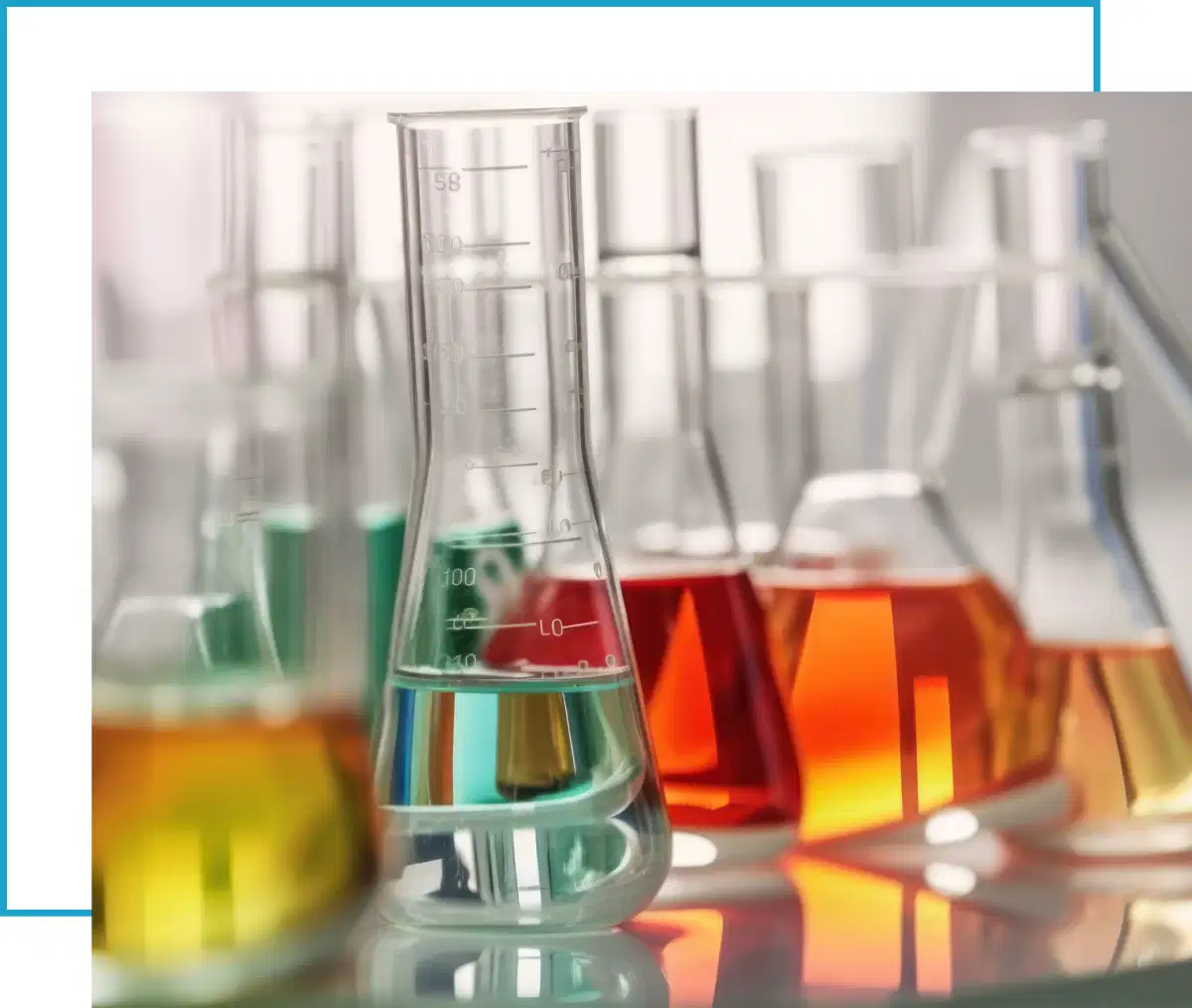
Specialty chemicals represent a category of compounds that are designed and synthesized to address specific and often niche applications. These chemicals cover a wide range, from sophisticated polymers and high-purity solvents to intricate surfactants and distinctive additives. They are specifically designed to fulfill the requirements of sectors like electronics, pharmaceuticals, and aerospace, where conventional chemicals are insufficient.