
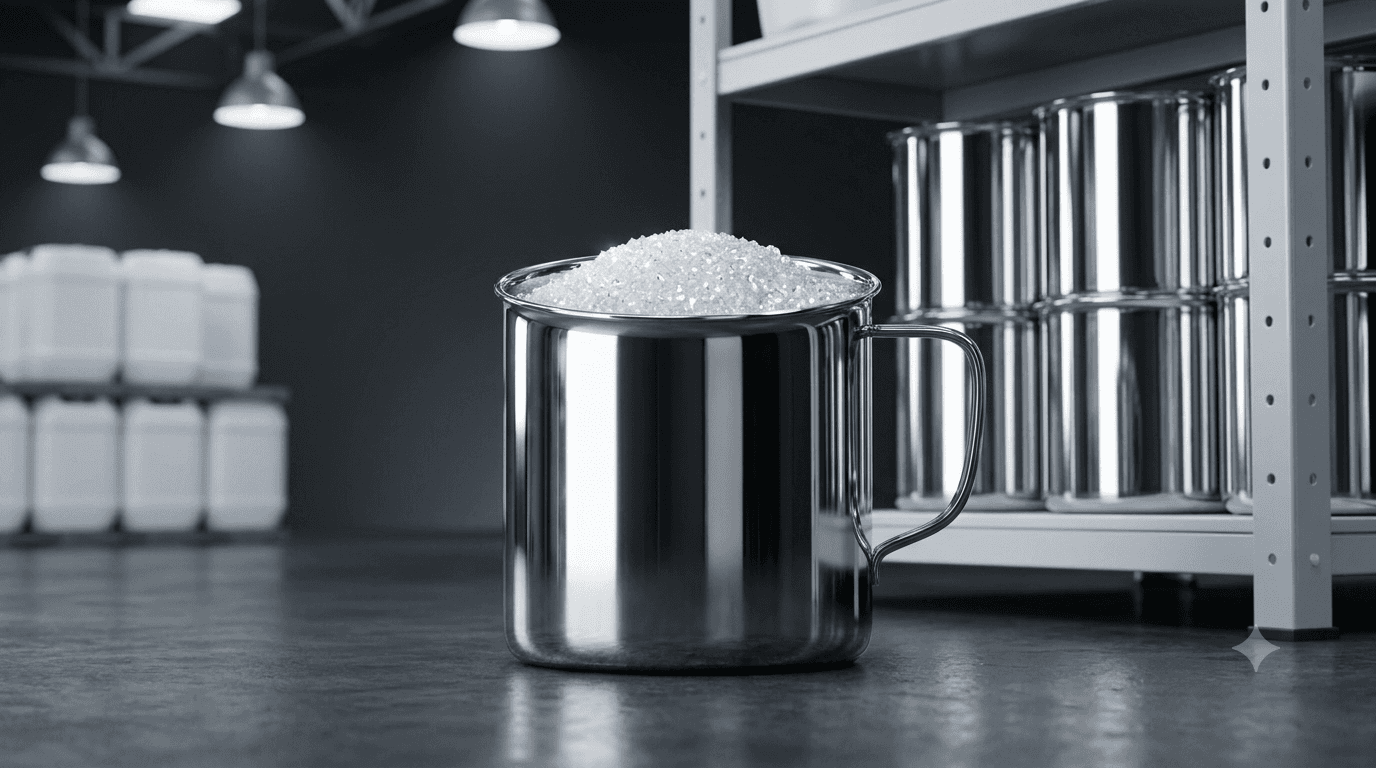
The global sucralose market is experiencing a significant demand shift in 2026 as GLP-1 weight management therapies reshape how consumers approach food and beverages. The rise of medications such as semaglutide and tirzepatide has created new consumption patterns where many users reduce calorie intake while still seeking familiar sweet flavors.
Sucralose has become a key ingredient for manufacturers developing reduced-calorie beverages, functional foods and meal replacement products. For procurement teams, the H2 2026 contracting period presents an opportunity to reassess supplier negotiations as freight costs improve while production costs remain relatively stable.
Sucralose Demand Growth in the GLP-1 Era
The influence of GLP-1 therapies extends beyond pharmaceuticals and healthcare. These treatments are changing consumer expectations around portion control, sugar reduction and healthier product formulations.
Many consumers following weight management programs continue to prefer sweet taste experiences without adding significant calories. This trend supports demand for high-intensity sweeteners that deliver sweetness at very low usage levels.
Sucralose offers several characteristics that make it attractive for modern food applications:
High sweetness intensity: Sucralose provides strong sweetness compared with traditional sugar, allowing manufacturers to achieve desired taste profiles with small quantities.
Low-calorie formulation support: Beverage and nutrition brands can use sucralose to create products that align with reduced-sugar and calorie-conscious positioning.
Wide application flexibility: The ingredient performs well in beverages, dairy products, bakery items, confectionery and nutritional products.
The GLP-1 market signal does not represent a short-term consumption change. It reflects a broader movement toward products designed around controlled calorie intake and healthier lifestyle choices.
Global Sucralose Market Conditions in H2 2026
The second half of 2026 is becoming an important period for buyers evaluating supply agreements. Chinese manufacturers remain central to global sucralose availability, with producers including Jinhe Biotechnology and Golden Time monitoring demand developments from international food and beverage customers.
Supply conditions have remained relatively balanced through the first half of 2026. Unlike many petrochemical-linked ingredients, sucralose production costs have limited exposure to crude oil movements because manufacturing depends more heavily on chemical processing systems and specialized production capacity.
However, delivered costs are influenced by external logistics factors. Freight corrections create potential room for procurement discussions, especially for buyers importing from Asia.
Key market factors shaping H2 2026 include:
Growing demand from low-sugar beverage manufacturers as consumers seek alternatives to traditional sweetened products.
Increased interest from functional food companies developing products for weight management and nutrition markets.
More competitive freight conditions compared with previous shipping cycles, improving the possibility of delivered cost adjustments.
Stable manufacturing economics that encourage suppliers to maintain production consistency.
Procurement managers should separate production cost trends from logistics costs when negotiating contracts. A lower freight environment may create opportunities even when supplier production pricing remains firm.
How Sucralose Prices Are Determined in International Trade
Sucralose pricing depends on several commercial factors rather than a single raw material indicator. Buyers evaluating H2 2026 offers should consider the complete delivered cost structure.
Major pricing influences include:
Production capacity and supplier strategy: Manufacturers balance inventory levels, customer commitments and export demand when setting offers.
Quality requirements: Food-grade specifications, documentation standards and certification needs can affect final pricing.
Packaging and shipment terms: Different packaging formats and Incoterms influence the total procurement cost.
Freight conditions: Ocean transportation rates directly affect the landed cost for international buyers.
Market demand signals: Growth from beverage and functional food sectors can influence supplier confidence during negotiations.
For buyers, July represents an important contracting window. Companies planning H2 supply should approach Chinese suppliers with updated market information and request revised proposals based on current freight conditions.
Major Sucralose Producing Regions and Export Supply
China continues to play a major role in global sucralose production and exports. The country has developed significant manufacturing expertise, allowing suppliers to serve international food ingredient markets with consistent volumes.
Chinese exporters support demand from multiple regions, including:
North America: Beverage companies and food manufacturers use sucralose in reduced-sugar product lines and reformulation projects.
Europe: Demand remains connected to clean-label discussions, sugar reduction strategies and regulatory-compliant food development.
Asia-Pacific: Growing processed food and beverage industries continue to expand sweetener consumption.
Middle East and emerging markets: Importers increasingly rely on global suppliers to support expanding food manufacturing sectors.
Supplier selection remains important because buyers require more than competitive pricing. Consistent quality, regulatory documentation and reliable shipment performance are essential factors in long-term sourcing relationships.

Sucralose Applications Expanding Across Food and Beverage Industries
The changing nutrition landscape is encouraging manufacturers to explore new product categories where sweetness, calorie reduction and consumer acceptance must work together. Sucralose remains a preferred option because it provides sugar-like sweetness without contributing significant calories.
The strongest application areas in 2026 include:
Functional beverages: Sports drinks, wellness beverages and nutritional products increasingly use sucralose to maintain appealing taste while reducing sugar content.
Meal replacement products: Brands developing weight management solutions use high-intensity sweeteners to improve flavor profiles in shakes, powders and ready-to-drink formulations.
Dairy and frozen products: Yogurts, flavored milk products and frozen desserts use sucralose to support reduced-sugar positioning.
Bakery and confectionery: Manufacturers incorporate sucralose into selected products where sweetness control and formulation stability are important.
The expansion of GLP-1 related consumer behavior does not mean consumers are abandoning sweet flavors. Instead, it creates demand for products that deliver taste satisfaction while fitting into lower-calorie lifestyles.
For ingredient buyers, this creates a more diversified demand base. Sucralose suppliers are no longer serving only traditional diet beverage markets but are increasingly connected with broader health and nutrition categories.
Supply Chain Challenges for Sucralose Buyers
Although market fundamentals remain supportive, procurement teams must continue monitoring supply chain risks. International chemical and food ingredient markets remain sensitive to logistics disruptions, regulatory changes and regional production conditions.
Several challenges require attention during H2 2026 sourcing decisions:
Supplier concentration: A large share of global supply comes from established Asian producers, making supplier diversification an important consideration for large-volume buyers.
Documentation requirements: Food manufacturers require detailed quality records, compliance certificates and technical documentation before approving suppliers.
Shipping reliability: Ocean transportation improvements have supported better cost conditions, but buyers still need reliable shipment schedules.
Inventory planning: Companies must balance lower storage costs with the need to maintain supply security during uncertain demand periods.
A successful sourcing strategy should focus on more than the lowest purchase price. Long-term supplier reliability, quality consistency and communication standards often determine the real value of a supply partnership.
Regulatory and Quality Considerations in Sucralose Trade
Food ingredient procurement requires strict attention to regulatory compliance. Manufacturers purchasing sucralose for consumer products must verify that suppliers meet applicable food safety requirements in their target markets.
Important quality factors include:
Food-grade certification and batch documentation.
Consistent product specifications across shipments.
Traceability records supporting quality control procedures.
Compliance with regional food additive regulations.
International buyers should review supplier documentation before finalizing contracts, especially when introducing a new supplier into an approved ingredient list.
Quality assurance becomes even more important as demand expands into premium nutrition products. Brands competing in health-focused categories often require dependable ingredient performance to protect consumer trust.
Why H2 2026 Contracting Matters for Procurement Teams
The second half of 2026 creates a strategic buying window for companies that depend on imported sucralose. The combination of improving freight conditions and stable production economics provides an opportunity for more informed negotiations.
Buyers preparing contract discussions should consider:
Requesting updated H2 2026 quotations from qualified Chinese suppliers.
Comparing delivered pricing rather than only factory-level offers.
Reviewing shipment terms, lead times and payment conditions.
Evaluating supplier capacity before committing to large-volume agreements.
A procurement team that understands the difference between manufacturing costs and logistics costs can negotiate more effectively. Lower freight expenses may provide commercial flexibility even when suppliers maintain stable production pricing.
Sustainability and Future Sweetener Market Trends
Sustainability continues to influence food ingredient decisions. Although sucralose is used in very small quantities compared with sugar, manufacturers increasingly evaluate ingredient supply chains through environmental and operational standards.
Future market development may depend on several factors:
Improved manufacturing efficiency among producers.
Greater transparency throughout international supply chains.
Increased demand for products combining nutrition benefits with lower environmental impact.
Continued innovation in reduced-sugar food categories.
The sweetener market is moving toward a more complex decision-making process. Buyers are balancing cost, consumer expectations, regulatory requirements and supply security.
Sucralose Market Outlook for 2027 and Beyond
The structural demand shift created by GLP-1 therapies could continue influencing sweetener markets beyond 2026. As more consumers adopt calorie-conscious habits, food companies are expected to expand their portfolios of reduced-sugar and functional products.
Sucralose is positioned to benefit from this trend because it supports product reformulation without requiring major changes to consumer taste expectations.
Future market growth will likely depend on:
Continued expansion of functional nutrition categories.
Beverage industry investment in sugar reduction strategies.
Stable international supply from experienced manufacturers.
Innovation in products designed for weight management consumers.
However, buyers should avoid assuming that demand growth alone will determine pricing. Supplier capacity, freight conditions and commercial negotiations will continue shaping market outcomes.
What Buyers Should Do Now Before H2 2026 Contracts
Procurement teams should use the current market environment to strengthen their sourcing approach. Companies that wait until demand peaks may face reduced flexibility in supplier discussions.
Recommended actions include:
Contacting verified sucralose suppliers early to secure H2 2026 proposals.
Using improved freight conditions as a discussion point during commercial negotiations.
Comparing multiple supplier offers to understand current market positioning.
Confirming technical documentation before approving purchase agreements.
Building relationships with suppliers that can support long-term volume requirements.
The most effective buyers will combine market awareness with proactive planning. The GLP-1 driven demand shift creates opportunities, but companies need strong procurement discipline to capture value.
The sucralose market is entering a period where health trends, food innovation and global supply dynamics are closely connected. Buyers who monitor demand signals and negotiate strategically can secure reliable supply while managing costs effectively. Ready to source Sucralose from verified global suppliers? Explore competitive offers on our platform today.
Corn Gluten Meal (60% Min Protein) - United States CAS: 66071-96-3