
Corn Starch and Tapioca Starch: Southeast Asia Supply Update Amid Planting Season
Introduction
Corn starch and tapioca starch are two of the most widely used industrial carbohydrate ingredients in the global food, beverage, and manufacturing sectors. They serve as thickening agents, stabilizers, binders, and fermentation feedstocks across applications such as confectionery, noodles, dairy products, paper, textiles, and biodegradable materials.
In 2026, the starch market in Southeast Asia is entering a seasonally sensitive period. As Thailand and Vietnam approach their cassava harvest gap, tapioca starch availability is tightening. At the same time, global buyers are increasingly turning to corn starch from China, the United States, and emerging Indian maize processors as alternative sources. However, rising freight costs and weather uncertainty are making procurement planning more complex, particularly for Q3 contract coverage.
Understanding the Two Key Starch Markets
Tapioca Starch
Tapioca starch is derived from cassava roots and is heavily concentrated in Southeast Asia.
Major producers:
Thailand (global leader)
Vietnam
Indonesia (regional supply)
Key applications:
Food processing
Confectionery
Noodles and noodles seasoning
Textiles
Paper industry
Modified starch production
Tapioca starch is valued for its high viscosity, clarity, and neutral taste.
Corn Starch CAS: 9005-25-8
Corn Starch
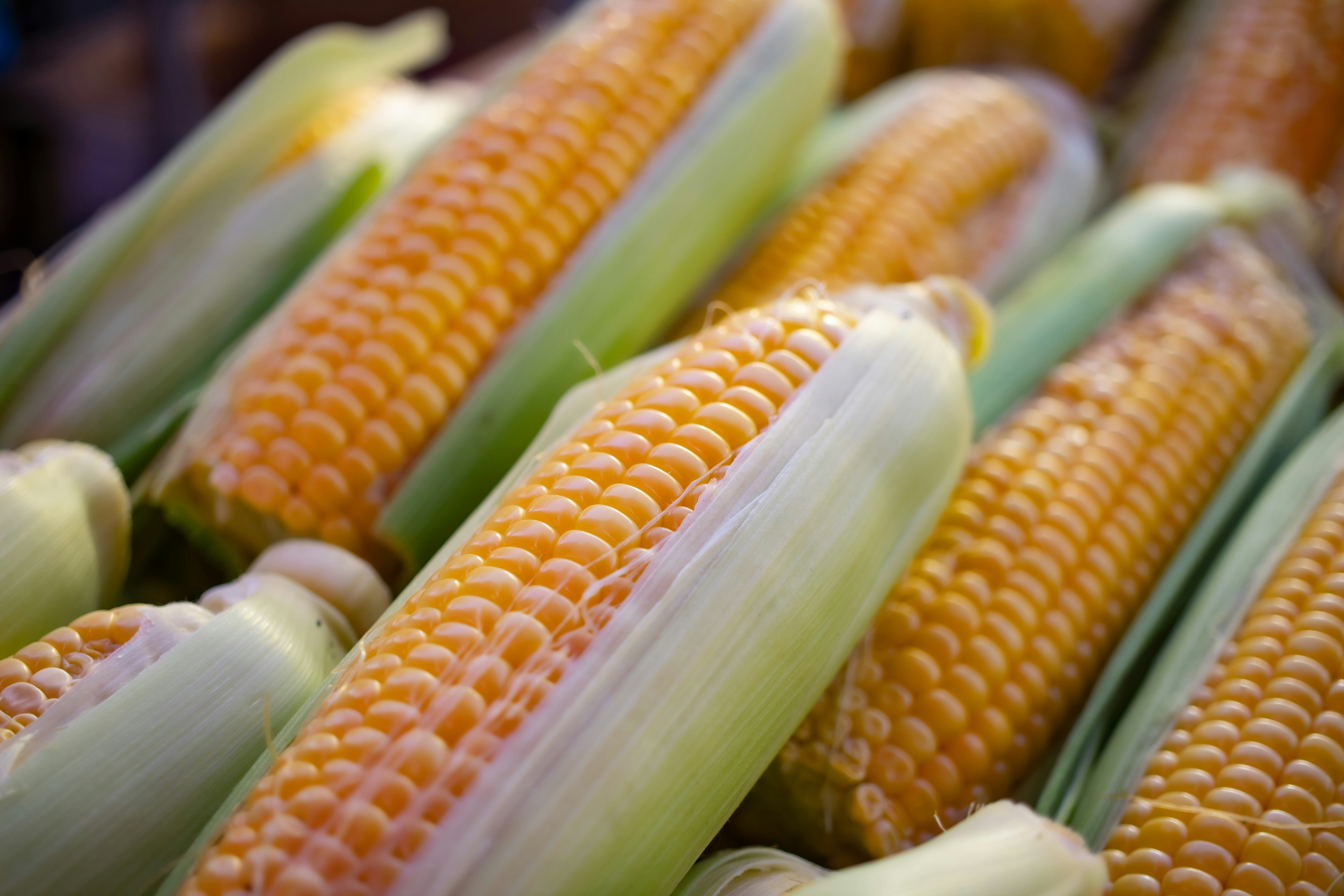
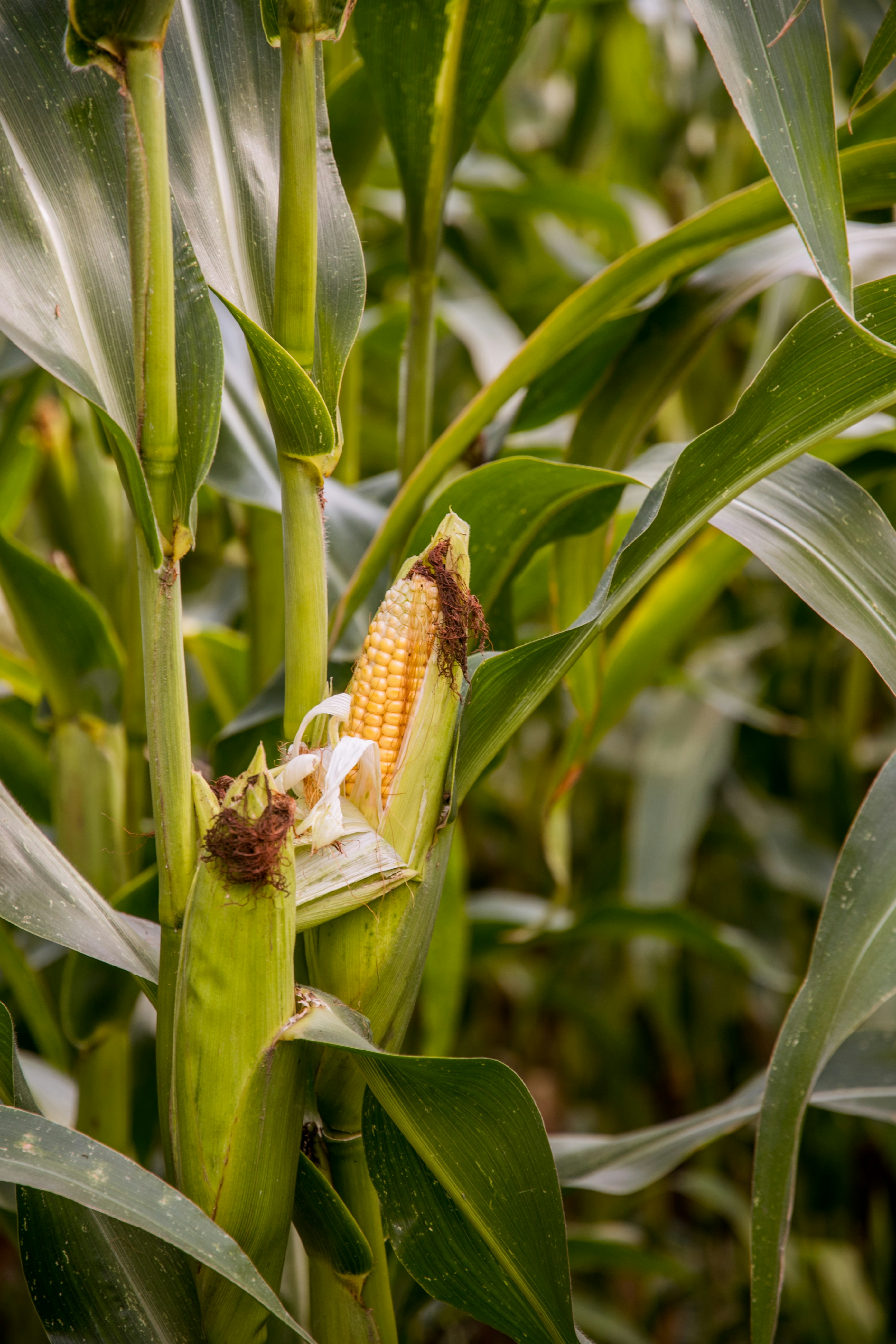
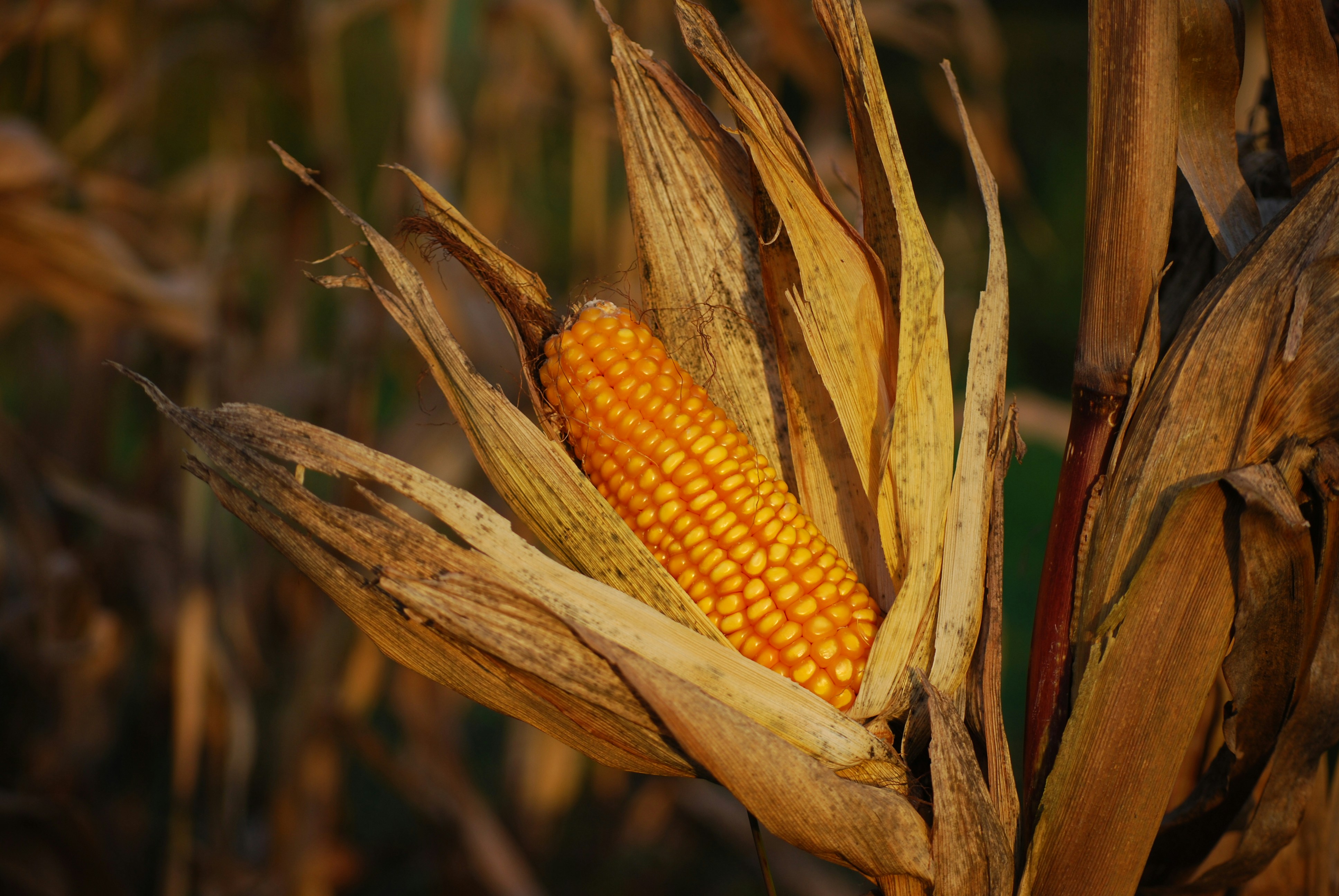
Corn starch is produced from maize and has a broader global production base.
Major producers:
China
United States
Brazil
India (growing rapidly)
Key applications:
Food industry
Industrial adhesives
Sweetener production (glucose, dextrose)
Fermentation feedstocks (citric acid, amino acids)
Bioplastics and industrial chemicals
Corn starch is generally more widely available but subject to grain market volatility.
Current Supply Situation in Southeast Asia
Thailand and Vietnam: Tapioca Tightness
The most immediate supply concern is the seasonal tightening of cassava-based starch.
Key Factors:
June–August harvest gap
Lower raw cassava availability
Weather variability affecting crop yield
Strong export demand from food processors
As a result, tapioca starch availability is tightening in the short term, particularly for export markets.
Early Contracting by Global Buyers
Food manufacturers are responding proactively to potential supply constraints.
Key industries securing early contracts:
Confectionery manufacturers
Instant noodle producers
Dairy processors
Bakery ingredient suppliers
Procurement behavior:
Earlier Q3 purchasing
Increased safety stock levels
Diversification toward corn starch alternatives
Shorter contract review cycles
This shift reflects growing sensitivity to seasonal disruptions in agricultural commodities.
Corn Starch as an Alternative Supply Source
As tapioca starch tightens, corn starch is playing a more important substitution role.
China: Dominant Asian Supplier
China remains a key supplier of corn starch in Asia.
Advantages:
Large-scale maize processing capacity
Integrated downstream chemical production
Flexible export capability
However:
Export prices are influenced by domestic grain policy
Logistics costs remain significant for distant buyers
United States: Large-Scale Production, Higher Freight Exposure
The US remains one of the world’s largest corn starch producers.
Strengths:
High production efficiency
Stable supply base
Strong agricultural output
Challenges:
Rising freight costs to Asia and the Middle East
Longer shipping lead times
Currency and logistics volatility
India: Emerging Maize Processing Hub
India’s maize starch sector is expanding steadily.
Key drivers:
Growing domestic maize production
Expanding food processing industry
Import substitution for tapioca starch
India is increasingly substituting tapioca starch in:
Food manufacturing
Industrial applications
Mid-scale processing industries
While still smaller than China or the US, India is becoming an important regional balancing supplier.
Weather Risk: La Niña and Yield Uncertainty
Weather remains a critical factor for starch feedstock markets.
Potential La Niña Impact:
Irregular rainfall patterns
Flooding or drought risk in cassava-growing regions
Yield variability in Southeast Asia
Supply volatility in Q3–Q4
Agricultural commodities like cassava and maize are highly sensitive to climate cycles, making weather forecasting an important procurement tool.
Impact on Food Manufacturing
Starch is a core input in many food categories.
Key impacted sectors:
Confectionery
Gelling and texture control
Sugar structure modification
Noodles and Instant Foods
Texture stability
Shelf-life improvement
Dairy Products
Thickening and mouthfeel improvement
Stabilization of processed products
Beverages and Processed Foods
Emulsification and viscosity control
Even small price or supply changes in starch markets can significantly affect production cost structures.
India’s Growing Role in Starch Substitution
India is increasingly replacing imported tapioca starch with domestically processed maize starch.
Why substitution is increasing:
Cost competitiveness
Local availability of maize
Reduced import dependency
Expanding food processing base
This trend is particularly strong in mid-tier food manufacturing industries.
Supply Chain Strategy for Buyers
Procurement teams are adjusting strategies in response to volatility.
Key approaches:
Dual sourcing (tapioca + corn starch)
Early Q3 contract locking
Regional supplier diversification
Increased inventory buffers
Freight-optimized procurement planning
Supply security is becoming more important than lowest-cost sourcing alone.
Market Outlook
The starch market in 2026 is characterized by seasonal tightening in tapioca supply and increased reliance on corn starch alternatives. While overall demand remains stable across food and industrial sectors, supply chain planning is increasingly influenced by agricultural cycles, weather risks, and logistics costs.
Thailand and Vietnam remain critical tapioca starch exporters, but China, the US, and India are playing a growing role in balancing global supply. Over the next quarter, procurement strategies will likely remain conservative, with early contracting and diversified sourcing becoming standard practice.
Key Takeaways
Tapioca starch supply is tightening due to the Southeast Asia harvest gap (June–August).
Corn starch from China, the US, and India is increasingly used as an alternative.
US corn starch supply is affected by higher freight costs to Asia.
India is expanding maize starch production and substituting imports.
Food manufacturers are securing Q3 contracts earlier than usual.
Weather risks, including La Niña, may further affect cassava yields.
Thailand and Vietnam remain dominant tapioca starch suppliers.
Supply diversification and early procurement are key buyer strategies.