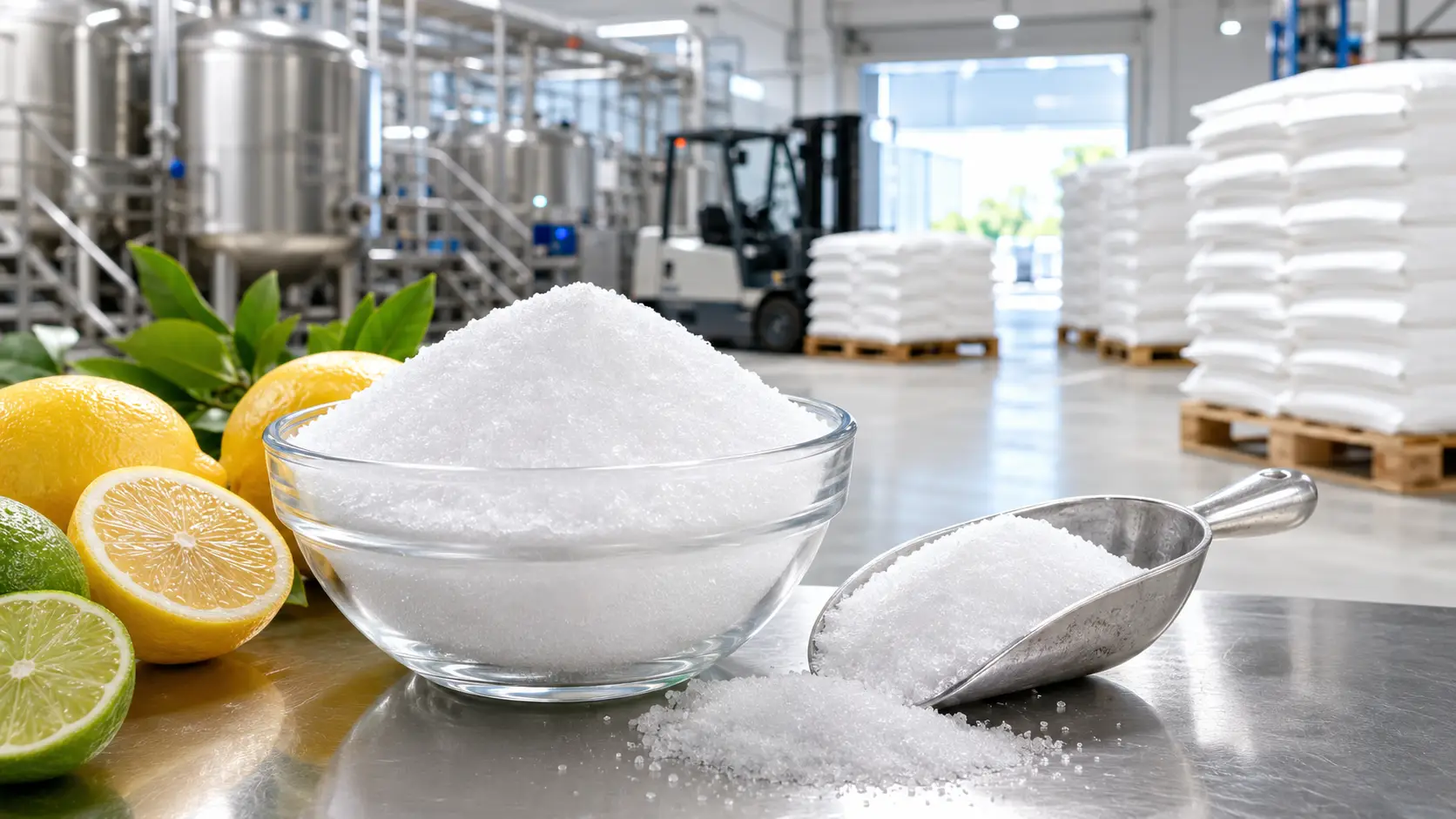

Overview of the Citric Acid Market
The citric acid market, a cornerstone of the food additives sector, has experienced fluctuating supply dynamics over the past decade. With global demand driven by food preservation, beverage flavoring, and pharmaceutical applications, pricing remains sensitive to both production costs and freight logistics.
Current Freight Cost Landscape
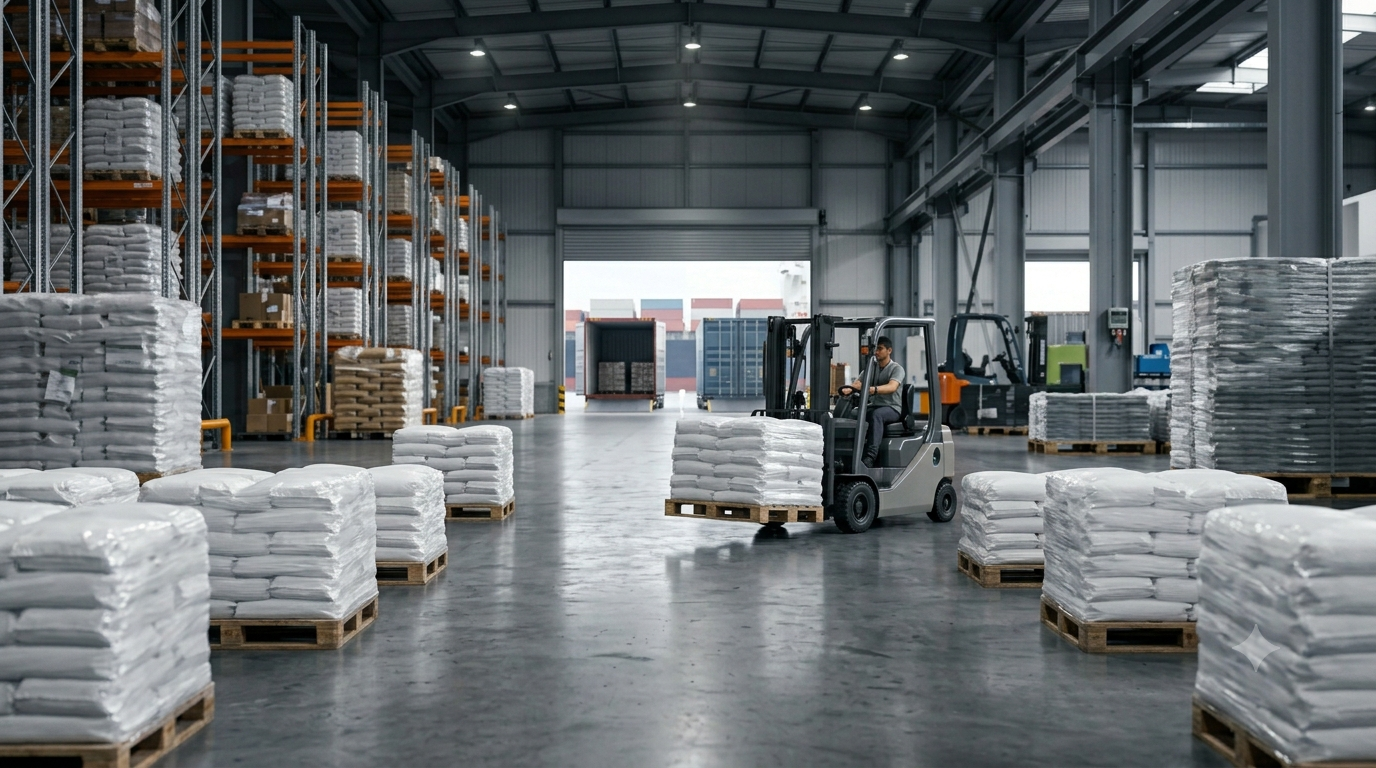
Bunker fuel, the primary energy source for maritime shipping, has historically been a major driver of freight rates. Recent geopolitical shifts and environmental regulations have begun to temper these costs, creating a window of opportunity for exporters to renegotiate terms.
Impact on H2 2026 Contracts
Chinese citric acid producers, which dominate the export market, are reassessing their H2 2026 forward contracts. The potential for lower freight expenses means these contracts could be priced more competitively, offering buyers better value.
Key Factors Influencing Pricing
Fuel Price Volatility: A decline in bunker fuel costs directly reduces shipping expenses.
Port Congestion: Improvements in port efficiency shorten turnaround times, further cutting costs.
Currency Fluctuations: The relative strength of the yuan against major currencies can alter final pricing.
Strategic Procurement for Food Ingredient Buyers
Companies sourcing citric acid as a food ingredient must navigate these market changes to secure favorable terms. Below are actionable steps:
Monitor freight indices and forecast fuel price trends.
Negotiate flexible H2 contract clauses that allow price adjustments based on freight movements.
Explore regional sourcing alternatives to diversify supply risk.
Potential Market Outcomes
If freight relief materializes, we anticipate a modest dip in citric acid pricing across major markets. Importers in Europe and North America could see cost savings of 3‑5%, enhancing their competitive edge in the food additives market.
Conclusion
The convergence of easing bunker fuel costs and strategic contract renegotiations positions Chinese citric acid suppliers to offer more attractive pricing. For global buyers, staying informed and agile will be key to capitalizing on these market shifts.
Citric Acid Monohydrate (E330) CAS: 5949-29-1