
Dextrose and Corn Sweeteners: Japan's Circular Economy Plan Creates Demand for Fermentation Substrates
Introduction
The global dextrose and corn sweeteners market in 2026 is expanding beyond its traditional role in food and beverage applications into a new industrial frontier: bio-based chemical production.
Japan’s newly launched ¥1 trillion ($6.3 billion) Circular Economy Action Plan (April 21, 2026) is accelerating investment into recycling systems and bio-based manufacturing pathways. One of the most important downstream effects is rising interest in fermentation-based feedstocks—particularly dextrose—as a key input for bio-chemical production.
This shift is gradually transforming dextrose from a food ingredient into a dual-use industrial substrate.
Japan’s Circular Economy Strategy: Why It Matters for Chemicals
Japan’s circular economy framework is designed to reduce reliance on fossil-based feedstocks and increase material recycling efficiency.
Core objectives:
Reduce dependency on imported fossil fuels (especially naphtha)
Expand bio-based chemical production
Strengthen domestic recycling infrastructure
Support industrial decarbonization targets
One of the most important transition pathways is replacing petrochemical feedstocks with bio-ethanol-derived chemical routes.
Bio-Crackers and the Shift Away from Naphtha
Japanese petrochemical producers are increasingly evaluating bio-based alternatives to traditional naphtha cracking.
Traditional pathway:
Naphtha → Ethylene → Propylene → Plastics and chemicals
Emerging pathway:
Bioethanol → Ethylene/propylene (via dehydration and processing)
This transition is still in early stages, but it is gaining strategic momentum.
Why Dextrose Becomes a Key Input
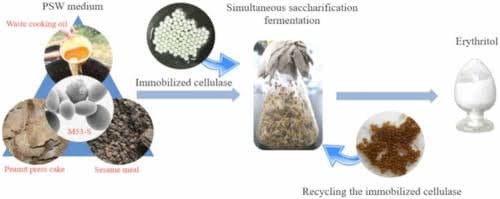
Dextrose (glucose) derived from corn or tapioca plays a critical role in fermentation systems that produce bioethanol.
Core role of dextrose:
Primary carbon source for microbial fermentation
Feedstock for bioethanol production
Intermediate input for bio-based chemical synthesis
In simple terms:
More bio-based chemicals = more fermentation = more dextrose demand
Expanding Demand Beyond Food Applications
Historically, dextrose demand has been driven by:
Food processing
Beverages
Confectionery
Sports nutrition
Pharmaceuticals
Now, a new demand category is emerging:
Industrial fermentation-grade dextrose
This includes use in:
Bioethanol production
Bio-ethylene and bio-propylene pathways
Industrial biotech fermentation systems
Sustainable chemical manufacturing
This represents a structural expansion of the market base.

Japan’s Role in Bio-Based Chemical Development
Japan is uniquely positioned in the global transition toward circular chemistry due to:
Advanced chemical engineering capability
Strong industrial policy support
High import dependency on fossil feedstocks
Mature petrochemical infrastructure ready for retrofitting
As a result, Japanese chemical producers are actively evaluating bio-cracker integration strategies.
ICIS-Noted Industry Direction
Industry analysis (including ICIS commentary) indicates that Japanese crackers are increasingly:
Testing bioethanol feedstock integration
Exploring hybrid naphtha–bio feed systems
Investing in pilot-scale bio-chemical units
This creates a medium-to-long-term demand pull for fermentation substrates such as dextrose.
Supply Chain Implications for Dextrose Producers
Dextrose producers—especially in corn- and tapioca-based systems—may see new industrial demand channels emerging alongside traditional food markets.
Key implications:
1. Demand diversification
Food demand remains stable
Industrial fermentation demand begins to grow
2. Specification shift
Industrial users may require:
Higher purity grades
Consistent fermentation performance
Tight microbial control standards
3. Contract structure changes
Longer-term supply agreements
Industrial off-take contracts
Energy-linked pricing models
Competitive Landscape: Corn vs Tapioca Feedstocks
Both corn and tapioca-based dextrose producers are positioned to benefit.
Corn-based producers:
Strong in US and China
Large-scale industrial capacity
Integrated starch systems
Corn Starch CAS: 9005-25-8
Tapioca-based producers:
Strong in Southeast Asia (Thailand, Vietnam, Indonesia)
Clean-label positioning advantage
Flexible export orientation
Japan may source from both depending on pricing and sustainability criteria.
Tapioca Starch CAS: 9057-07-02
Key Growth Drivers Through 2027
1. Bio-ethylene investment expansion
As pilot projects scale, substrate demand increases.
2. Circular economy incentives
Policy support encourages non-fossil feedstocks.
3. Corporate decarbonization goals
Chemical companies seek lower-carbon input materials.
4. Feedstock security concerns
Diversification away from oil-linked supply chains.
Strategic Implications for Suppliers
Dextrose producers should begin evaluating:
Industrial segmentation strategy:
Food-grade dextrose
Pharmaceutical-grade dextrose
Industrial fermentation-grade dextrose
Supply chain readiness:
Consistency in fermentation performance
Documentation and traceability systems
Ability to support long-term industrial contracts
Market positioning:
Bio-based chemical input supplier (not just food ingredient vendor)
Market Outlook
The dextrose market is entering a structural transition phase. While food and beverage applications remain the dominant demand base, industrial fermentation is emerging as a high-growth segment driven by Japan’s circular economy policies and broader global decarbonization trends.
If Japanese bio-cracker investments scale as expected through 2027, fermentation-grade dextrose could become one of the most important new demand categories in the starch derivatives industry.
Key Takeaways
Japan’s ¥1 trillion Circular Economy Plan is accelerating bio-based chemical development.
Bio-ethylene and bio-propylene production increases demand for fermentation substrates.
Dextrose is emerging as a key industrial feedstock, not just a food ingredient.
ICIS notes active evaluation of bio-cracker integration in Japan.
Demand shift creates new opportunities for corn and tapioca dextrose producers.
Industrial fermentation-grade specifications will become increasingly important.
Southeast Asia and US-China producers both stand to benefit.
The market is shifting toward dual-use (food + industrial) demand structures.