Guar Gum: Rajasthan Monsoon Progress and the H1-to-H2 Transition for Oilfield and Food Buyers
Introduction
Guar gum remains one of the world's most important natural hydrocolloids, serving a wide range of industries including food processing, oil and gas, pharmaceuticals, cosmetics, textiles, and paper manufacturing. As the largest producer of guar seed, India—particularly the state of Rajasthan—plays a critical role in determining global guar gum supply and pricing.
With the first half of the year ending, market participants are closely monitoring the progress of the Rajasthan monsoon, as rainfall during the sowing season has a direct impact on guar cultivation, crop yields, and future market availability. For both oilfield service companies and food manufacturers, the H1-to-H2 transition represents an important period for procurement planning, contract negotiations, and inventory management.
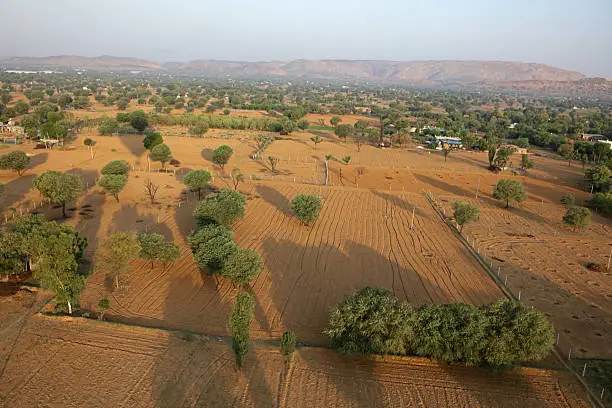
Why Rajasthan's Monsoon Matters
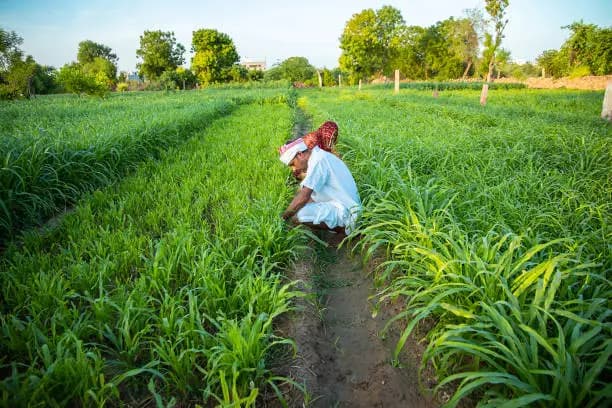
Guar is primarily a rain-fed crop, making monsoon performance one of the biggest factors influencing annual production. Adequate and well-distributed rainfall supports healthy sowing, crop establishment, and yield potential, while delayed or insufficient rainfall can reduce production and tighten global supply.
For buyers, monitoring monsoon progress helps provide early indications of:
Expected guar seed production.
Future guar gum availability.
Raw material pricing trends.
Export supply from India.
Procurement risks for H2.
Because Rajasthan accounts for a significant share of India's guar cultivation, weather conditions in the region are closely watched by global commodity markets.
H1 Market Snapshot
During the first half of the year, the guar gum market experienced relatively stable demand across key industries, although buyers remained cautious due to weather uncertainty and changing global economic conditions.
Key developments included:
Stable export activity from India.
Consistent demand from food manufacturers.
Ongoing procurement by oilfield service companies.
Moderate fluctuations in guar seed prices.
Increased attention to weather forecasts ahead of the sowing season.
The market entered the H2 planning period with strong focus on crop development and production expectations.
Impact on Food Industry Buyers
Food-grade guar gum is widely used as a thickener, stabilizer, emulsifier, and texture enhancer in numerous applications.
Major industries include:
Dairy Products
Guar gum improves texture and stability in ice cream, yogurt, flavored milk, and desserts.
Bakery Products
It enhances moisture retention, dough handling, and product shelf life.
Sauces and Dressings
Manufacturers use guar gum to improve viscosity and maintain product consistency.
Beverages
Certain beverage formulations benefit from guar gum's stabilizing properties.
Processed Foods
Ready meals, soups, confectionery, and convenience foods frequently incorporate guar gum for texture control.
Food manufacturers should monitor crop developments because supply conditions may influence procurement costs during H2.
Impact on Oilfield Buyers
The oil and gas sector remains one of the largest industrial consumers of guar gum.
Hydraulic fracturing operations use guar gum to:
Increase fluid viscosity.
Improve proppant transport.
Enhance well performance.
Support efficient fracturing operations.
Changes in guar seed production can significantly affect industrial-grade guar gum pricing, making early procurement planning essential for oilfield service providers.
Procurement Strategies for H2
As the market transitions into the second half of the year, procurement teams should consider several strategic actions.
Monitor Monsoon Developments
Regularly tracking rainfall and crop progress provides early insight into future supply conditions.
Secure Long-Term Supply Agreements
Where pricing is favorable, forward contracts may reduce exposure to seasonal market volatility.
Diversify Supplier Networks
Maintaining relationships with multiple suppliers helps improve supply continuity.
Evaluate Total Landed Cost
Freight, warehousing, duties, and logistics costs should be assessed alongside product pricing.
Maintain Appropriate Inventory
Balanced inventory planning reduces both stockout risk and excessive carrying costs.
Risks to Watch During H2
Several uncertainties could influence the guar gum market during the remainder of the year.
Key risks include:
Weak or uneven monsoon rainfall.
Lower-than-expected crop yields.
Rising freight and transportation costs.
Increased export demand.
Currency fluctuations affecting international trade.
Changing demand from oilfield drilling activity.
Businesses should incorporate these factors into their procurement planning to improve resilience.
H2 Outlook
If Rajasthan receives timely and sufficient rainfall throughout the growing season, global guar gum supply is expected to remain adequate, supporting relatively stable market conditions. However, adverse weather or unexpected demand growth from major consuming industries could tighten availability and place upward pressure on prices.
For both food manufacturers and oilfield service companies, maintaining close communication with suppliers and monitoring agricultural developments will be essential for effective sourcing decisions during H2.
Conclusion
The H1-to-H2 transition is a critical period for the global guar gum market. Rajasthan's monsoon progress will largely determine crop production, export availability, and pricing trends for the months ahead.
Organizations that proactively monitor weather conditions, strengthen supplier partnerships, and adopt flexible procurement strategies will be better positioned to manage market uncertainty, secure reliable supply, and control procurement costs throughout the second half of the year.
Butter Oil CAS: 1340-00-7