The USDA Week 26 Crop Progress Report, covering the week ending June 29, represents the most influential crop update of the summer for buyers of corn starch, glucose, maltodextrin and dextrose. The final week of June coincides with the peak corn pollination period, when weather conditions can determine national yield potential and influence grain prices for months ahead.
For procurement managers finalising H2 2026 purchasing plans, this report provides an essential benchmark for forecasting ingredient costs. Even modest changes in crop condition ratings can quickly affect corn futures, creating ripple effects across the entire corn processing industry.
Why the Corn Pollination Window Is So Important
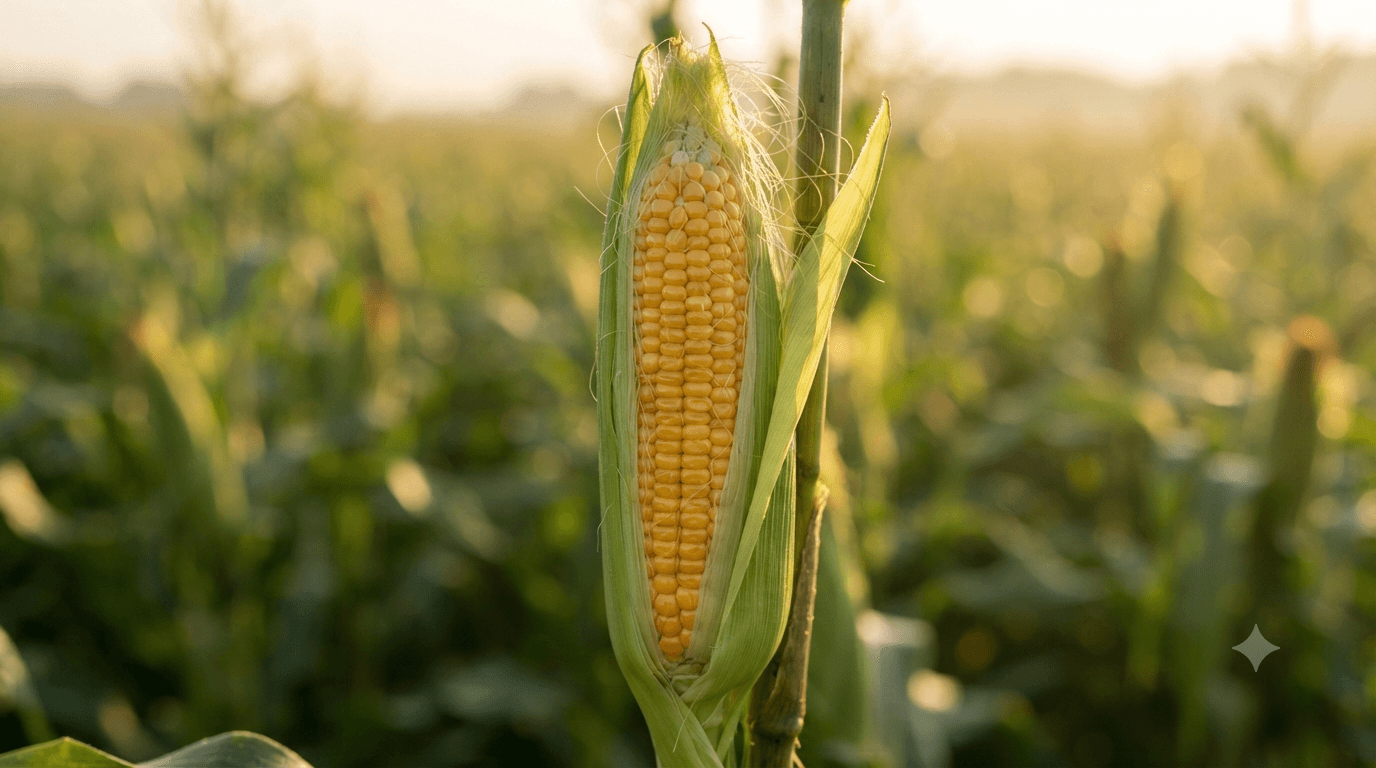
Corn pollination is the stage when plants determine kernel formation and ultimately grain yield. Unlike earlier growth stages, stress during pollination has a direct effect on production potential.
High temperatures, limited soil moisture or prolonged dry weather during this narrow period can reduce kernel development across millions of acres. Industry analysts often estimate that significant weather stress during the peak pollination window can lower national yields by approximately 3 to 8 bushels per acre, depending on the severity and geographic coverage.
Because this stage cannot be reversed later in the season, markets closely monitor USDA crop condition data released immediately after pollination begins.
USDA Week 26 Sets the Tone for Q3 Cost Planning
Food ingredient buyers often focus on finished product pricing, but the largest cost driver begins with the corn crop itself.
The USDA Week 26 report helps market participants assess whether current yield expectations remain achievable or require downward revision. If crop conditions weaken, grain traders typically begin adjusting price expectations before harvest.
For buyers of corn-derived ingredients, this report influences purchasing decisions involving:
Corn starch used across food processing and industrial applications.
Glucose syrup supplied to confectionery, beverage and bakery manufacturers.
Maltodextrin used as a stabiliser, bulking agent and carrier.
Dextrose consumed across food, pharmaceutical and fermentation industries.
Early visibility into crop quality allows procurement teams to make more informed purchasing decisions before market sentiment changes.
The 65% Good to Excellent Threshold Matters
One of the most closely watched figures in the USDA Crop Progress Report is the percentage of corn rated good to excellent.
Market participants often view 65% good to excellent as an important benchmark during late June.
Several scenarios illustrate why this figure receives so much attention.
Ratings above 65% generally support expectations for stable national production if favourable weather continues.
Ratings close to 65% suggest a balanced market where future weather becomes increasingly important.
Ratings below 65% increase the possibility of tighter production forecasts and stronger corn prices during August and September.
This threshold does not guarantee future price direction, but it provides an important early indication of market risk.
How Corn Prices Influence Food Ingredient Costs
Corn represents the primary raw material for numerous food ingredients produced through wet milling.
When grain prices rise, processors often experience higher production costs that gradually move through the supply chain. Depending on contract structures and inventory positions, these increases may appear over several weeks rather than immediately.
Products commonly affected include:
Corn starch.
Glucose syrup.
Dextrose.
Maltodextrin.
Corn-based fermentation products.
Sweetener blends used in food manufacturing.
Although energy, freight and processing costs also contribute to final pricing, corn remains the dominant cost component for many of these products.

Procurement Decisions During H2 2026
The USDA report arrives at a time when many food manufacturers are negotiating contracts for third and fourth quarter production.
Waiting until harvest to assess pricing may expose buyers to unnecessary volatility if crop conditions deteriorate during July.
Procurement teams should evaluate:
Current inventory coverage against expected production schedules.
Supplier contract flexibility.
Forward purchasing opportunities.
Alternative sourcing options where commercially practical.
Market exposure for August and September deliveries.
Companies that monitor crop developments early often gain more flexibility when negotiating supply agreements.
Weather Will Continue to Drive Market Direction
While Week 26 provides a critical snapshot, it does not determine the entire growing season.
July weather remains especially important because grain fill follows pollination. Adequate rainfall and moderate temperatures can still support strong yields even if some early stress develops.
Conversely, persistent heat combined with dry conditions may reinforce concerns raised by weaker crop ratings and strengthen upward pressure on corn futures.
Procurement teams should therefore treat Week 26 as the beginning of an active monitoring period rather than the final market verdict.
Other Factors Buyers Should Watch
Crop conditions represent only one part of the pricing picture.
Additional market drivers include:
Export demand from major importing countries.
Ethanol production levels.
Domestic feed demand.
River and rail logistics.
Energy prices affecting processing costs.
Currency movements influencing international trade.
When several of these factors move in the same direction as changing crop conditions, ingredient pricing can respond more rapidly.
Building a Stronger Corn-Derived Ingredient Strategy
Market uncertainty cannot be eliminated, but procurement risk can be managed more effectively.
Organisations sourcing significant volumes of corn-derived ingredients should maintain regular communication with suppliers, monitor USDA crop updates throughout July and August and review purchasing schedules before seasonal weather risks become fully reflected in market pricing.
Diversified sourcing strategies, balanced inventory management and timely market intelligence remain valuable tools for reducing exposure to sudden price movements.
The Bottom Line for Procurement Teams
The USDA Week 26 Crop Progress Report serves as the foundation for H2 2026 cost planning across the corn processing industry. Its assessment of crop conditions during the peak pollination period offers one of the earliest indications of whether corn supplies are likely to remain comfortable or tighten as harvest approaches.
If crop ratings remain above the key benchmark, buyers may benefit from relatively stable procurement conditions. Should ratings fall below 65% good to excellent, procurement teams should prepare for increased price volatility in corn starch, glucose, maltodextrin and dextrose markets during the coming months.
Ready to source corn starch from verified global suppliers? Explore competitive offers on our platform today.
Corn Starch CAS: 9005-25-8