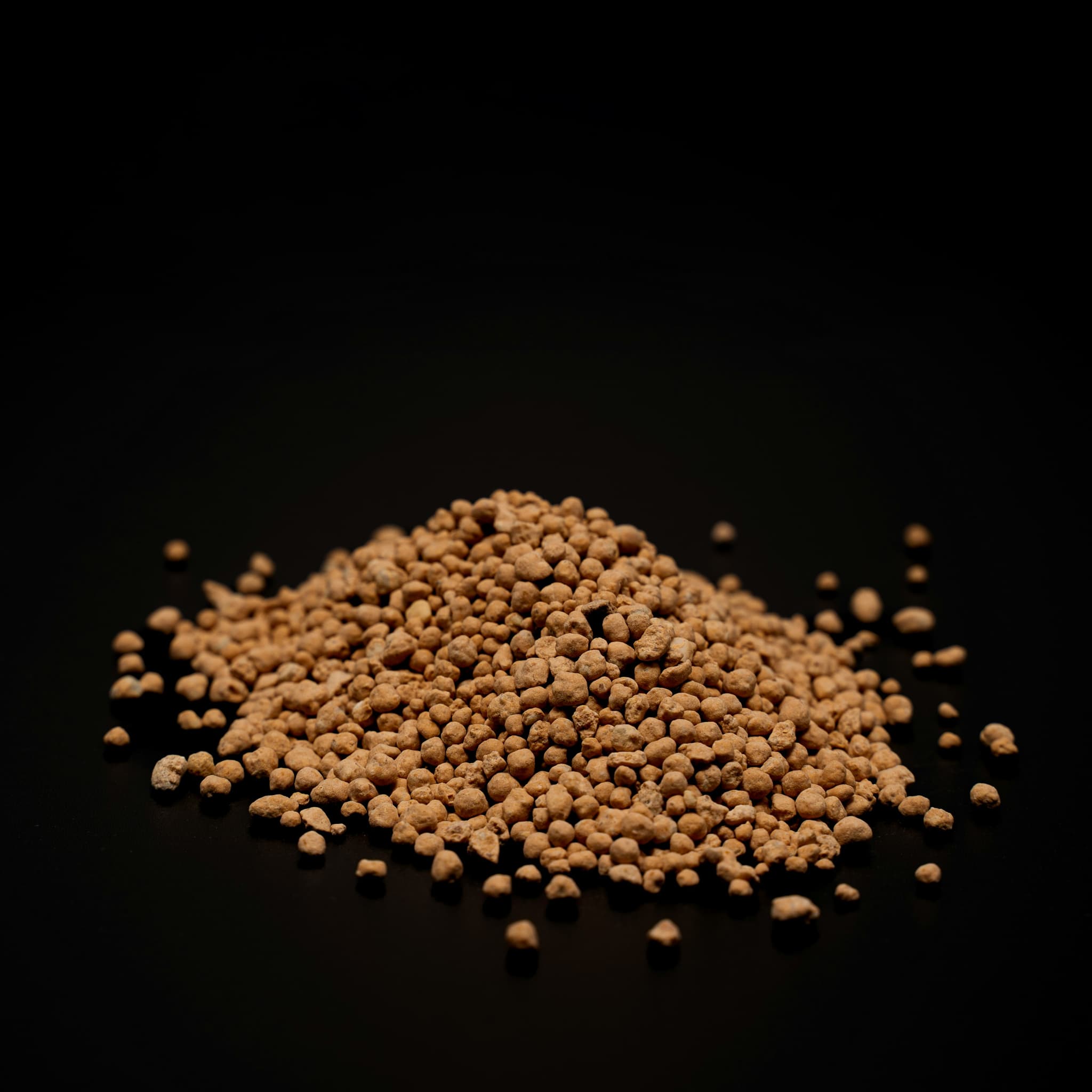
Lecithin remains one of the most widely used emulsifiers in the global food industry, supporting applications ranging from chocolate and bakery products to margarine and infant formula. Although it is commonly viewed as a single ingredient, commercial lecithin is produced from several vegetable oil sources, each with distinct supply chain characteristics, functional properties and regulatory implications.
For procurement professionals, choosing between soy, sunflower and rapeseed lecithin involves far more than comparing price or availability. Source origin can influence product functionality, sustainability credentials and, most importantly for European markets, GMO labelling obligations. Understanding these differences is essential for building compliant sourcing strategies while maintaining consistent product quality.
Why Lecithin Is Essential in Food Manufacturing
Lecithin is a naturally occurring mixture of phospholipids that improves the stability and processing performance of many food products.
Manufacturers value lecithin because it enhances emulsification, improves texture, extends shelf life and supports efficient production. Its versatility makes it a preferred ingredient across multiple food sectors.
Common applications include:
Chocolate and confectionery.
Bakery products.
Margarines and spreads.
Dairy products.
Instant beverage powders.
Nutritional supplements.
Infant formula.
As food formulations continue evolving, lecithin remains a key functional ingredient that helps manufacturers achieve consistent product performance.
Soy Lecithin Dominates Global Supply
Soybean processing accounts for the majority of global lecithin production due to the scale of the worldwide soybean oil industry.
The extensive availability of soybeans allows processors to produce lecithin efficiently while maintaining competitive pricing and reliable supply. For many manufacturers, soy lecithin continues to offer the best balance between functionality, commercial availability and cost.
However, procurement teams serving regulated markets must carefully consider the origin of soybeans used in production.
Large volumes of soybeans grown in major exporting countries such as the United States and Argentina are genetically modified. As a result, soy lecithin sourced from these origins may carry GMO compliance obligations depending on destination market regulations.
This makes origin verification an important part of supplier qualification.
Sunflower Lecithin Offers a Non-GMO Alternative
Sunflower lecithin has gained significant attention as manufacturers seek ingredients that simplify GMO compliance while supporting clean-label product positioning.
Most commercial sunflower production remains non-GMO, making sunflower lecithin an attractive option for food manufacturers supplying markets with strict GMO requirements.
Its advantages include:
Naturally non-GMO sourcing in most production regions.
Strong consumer acceptance.
Support for clean-label product positioning.
Reduced GMO documentation complexity.
Broad acceptance across premium food applications.
Despite these advantages, sunflower lecithin is not always a direct replacement for soy lecithin.
Differences in phospholipid composition and fatty acid profiles can influence emulsification efficiency, processing behavior and finished product performance. Manufacturers should validate formulations before switching raw material sources.
Rapeseed Lecithin Is Emerging as a European Option
Rapeseed, also known as canola in several markets, has become an increasingly important lecithin source for manufacturers seeking regional supply and non-GMO alternatives.
European production provides shorter supply chains for many food manufacturers while supporting local sourcing initiatives.
Key benefits include:
Regional European availability.
Non-GMO status in most current production systems.
Reduced transportation distances.
Supply diversification beyond soy.
Compatibility with sustainability objectives.
Although production volumes remain smaller than soy lecithin, rapeseed lecithin offers valuable flexibility for procurement teams seeking multiple sourcing options.
Why GMO Documentation Is a Compliance Requirement
For procurement professionals supplying the European market, GMO verification is not simply a marketing consideration.
Food manufacturers must understand the genetic status of lecithin entering their supply chains because GMO regulations apply according to applicable legal requirements. Product origin, documentation and traceability therefore become essential components of supplier approval.
Before qualifying suppliers, buyers should obtain documentation such as:
Identity preservation certificates.
GMO status declarations.
Batch-specific traceability records.
Raw material origin documentation.
Supply chain verification records.
Certificates supporting regulatory compliance.
Maintaining complete documentation helps manufacturers demonstrate compliance during customer audits and regulatory inspections while reducing commercial risk.
Functional Performance Should Be Verified Before Switching Sources
Although lecithin performs similar functions regardless of its botanical origin, each source possesses slightly different phospholipid compositions that can influence processing performance.
Manufacturers considering a change from soy to sunflower or rapeseed lecithin should complete application testing before commercial implementation.
Areas requiring validation include:
Emulsification efficiency.
Mixing performance.
Product texture.
Shelf-life stability.
Flavor neutrality.
Compatibility with existing formulations.
Careful validation helps maintain finished product quality while minimizing production adjustments.
Procurement Teams Should Strengthen Documentation Controls
As regulatory oversight continues to increase, documentation management has become a core procurement responsibility.
For companies supplying the European Union, verifying GMO status extends beyond reviewing a supplier declaration. Buyers should ensure documentation remains current, batch specific and supported by traceable supply chain records.
A robust verification process should include:
Reviewing identity preservation certificates.
Confirming batch-specific GMO declarations.
Verifying country of origin.
Auditing supplier traceability procedures.
Maintaining complete compliance records.
Updating documentation whenever supply origins change.
These practices reduce regulatory risk while improving audit readiness.
What Buyers Should Do Now
Soy, sunflower and rapeseed lecithin each play an important role in modern food manufacturing, but they differ in supply chain characteristics, functionality and regulatory implications. Selecting the appropriate source requires balancing technical performance, commercial availability and market-specific compliance requirements.
For procurement professionals supplying European food markets, GMO verification is not optional. Every batch should be supported by appropriate documentation confirming its origin and identity preservation status where applicable. At the same time, buyers should evaluate whether alternative lecithin sources provide suitable functional performance for their specific applications.
Organizations that combine rigorous supplier qualification, complete documentation management and diversified sourcing strategies will be better positioned to maintain regulatory compliance while ensuring reliable ingredient supply in an increasingly dynamic global market
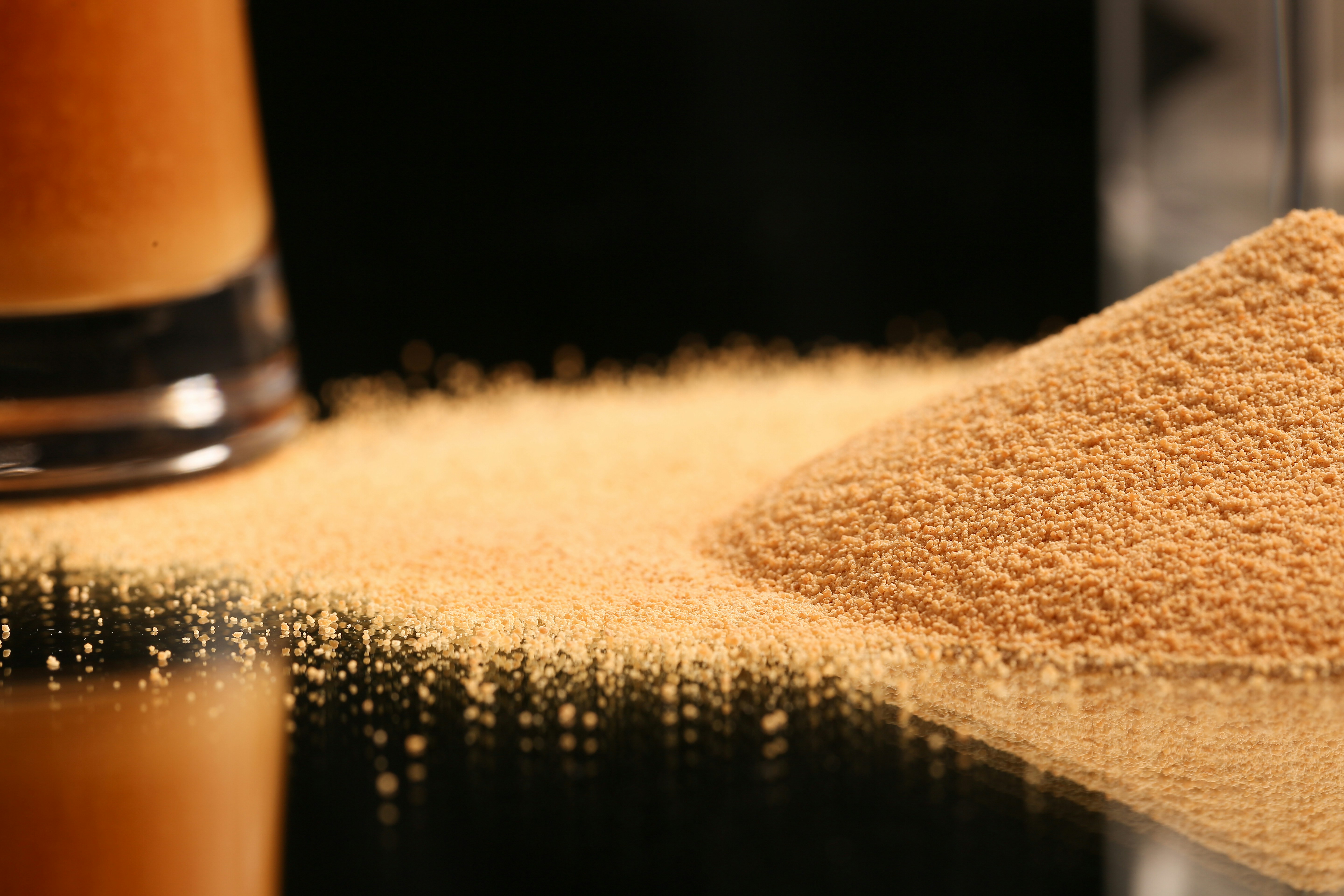
Soya Lecithin CAS: 8002-43-5