Maltodextrin and Dextrose: Downstream Demand from Sports Nutrition Drives Q2 Procurement
Introduction
Maltodextrin and dextrose are two of the most widely used carbohydrate ingredients in the global food, beverage, and nutrition industries. Produced primarily from starch hydrolysis (corn, wheat, or tapioca), they serve as fast-energy sources, bulking agents, fermentation feedstocks, and functional ingredients in processed foods.
In 2026, demand growth is being strongly supported by the expanding sports nutrition and functional beverage markets, particularly across Asia-Pacific. At the same time, supply chains remain sensitive to logistics costs, regional production concentration, and specification-driven purchasing behavior.
Understanding Maltodextrin and Dextrose
Maltodextrin
Maltodextrin is a partially hydrolyzed starch product consisting of glucose polymers.
Key characteristics:
Mild sweetness (low to moderate)
High solubility
Fast energy release
Good binding and bulking properties
Dextrose (Glucose)
Dextrose is a simple sugar derived from complete starch hydrolysis.
Key characteristics:
High sweetness
Rapid absorption in the body
Immediate energy release
High fermentability
Both ingredients are derived from similar starch sources but differ significantly in functional performance.
Production Pathway
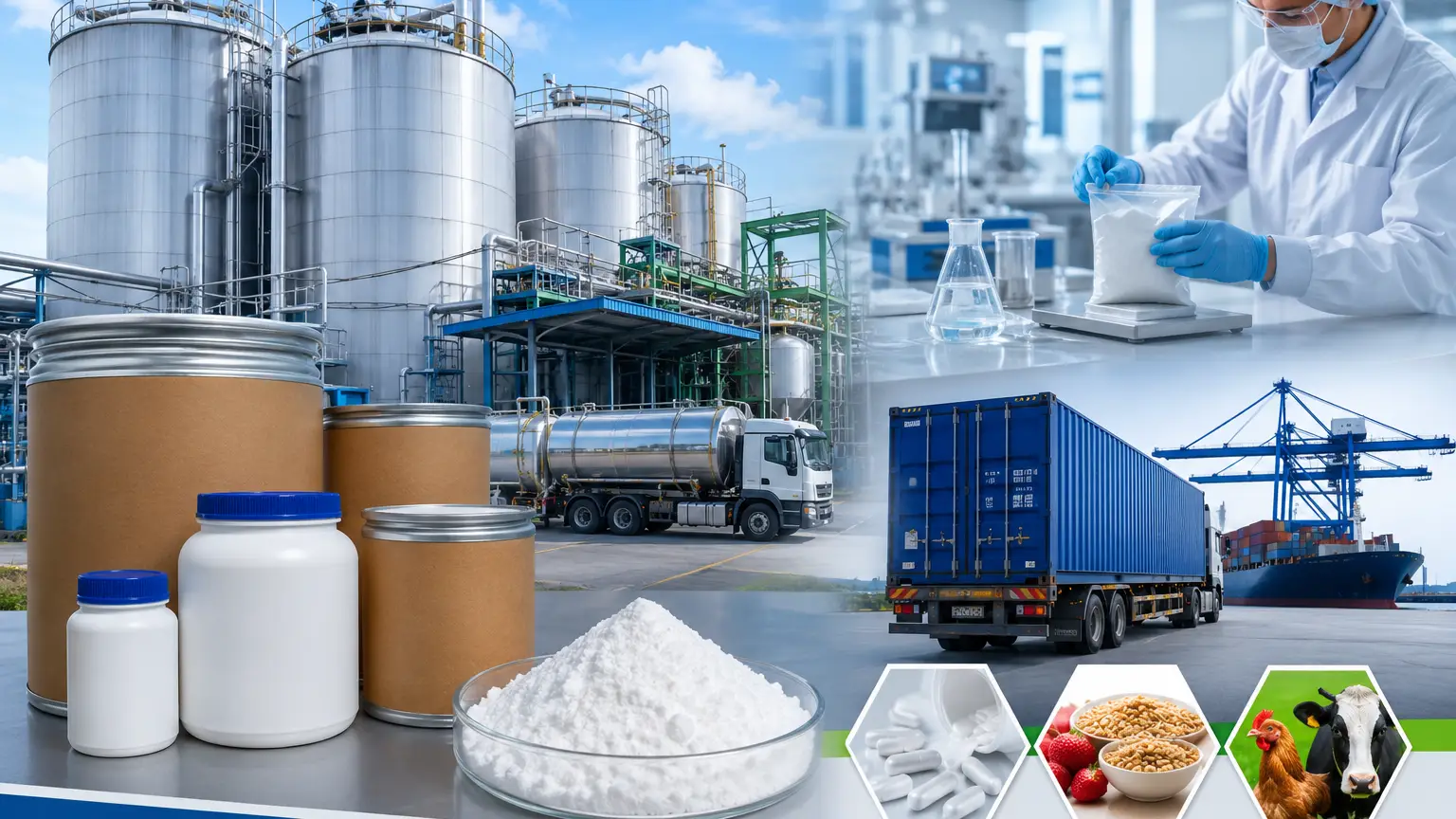
Both maltodextrin and dextrose are produced through corn wet milling or starch hydrolysis processes.
Key feedstocks:
Corn starch (dominant globally)
Wheat starch (select regions)
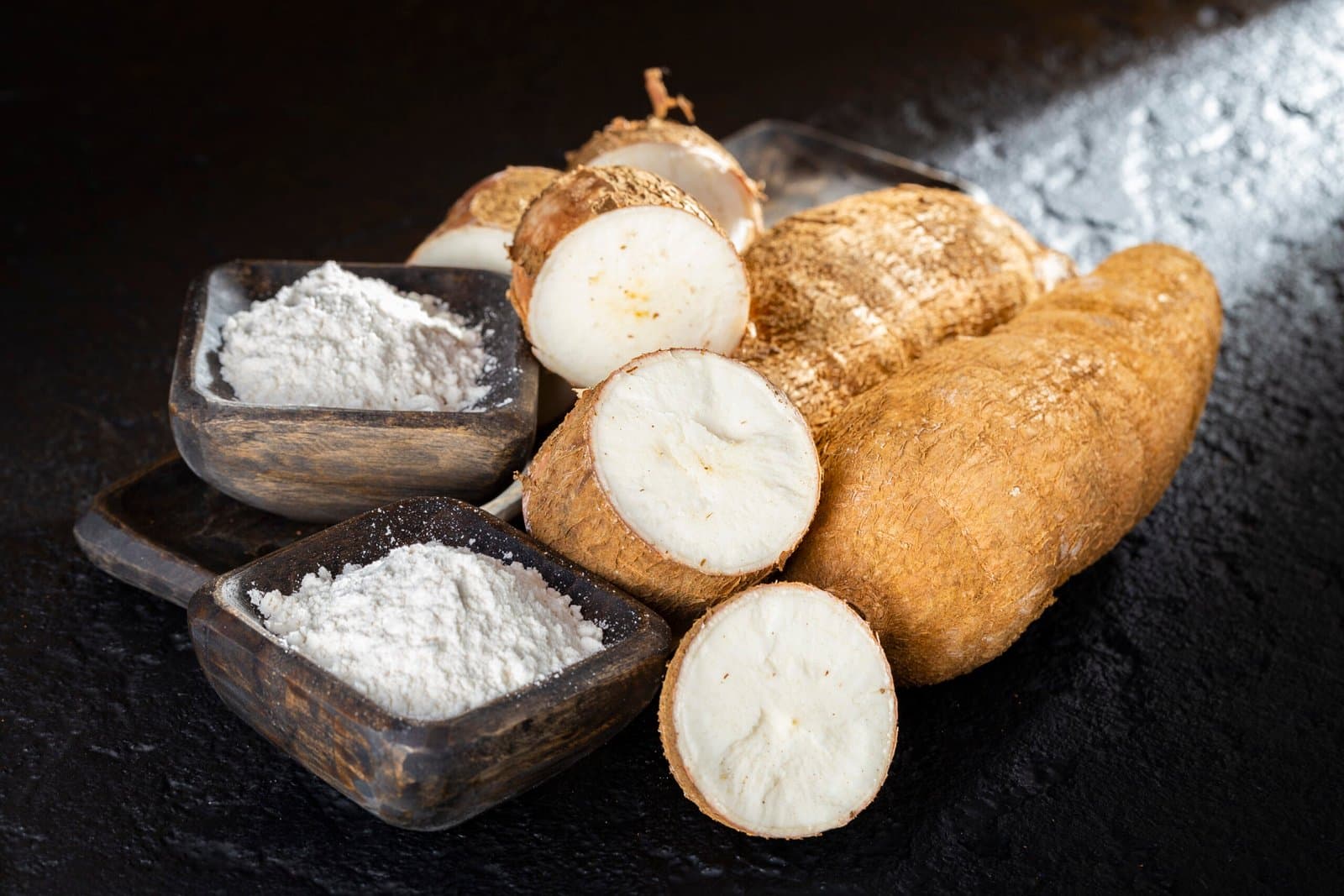
Tapioca starch (Asia-focused production)
Process stages:
Starch extraction from raw material
Enzymatic or acid hydrolysis
Controlled dextrose equivalent (DE) adjustment
Purification and drying
The final product specification depends heavily on hydrolysis intensity.
The Role of DE Value in 2026 Purchasing Decisions
One of the most important procurement factors is Dextrose Equivalent (DE).
High DE Products
Faster energy release
Higher sweetness
Common in sports drinks and energy gels
Low DE Products
More body and texture
Used in bakery, dairy, and processed foods
Slower digestion profile
Buyers in 2026 are increasingly specifying DE levels precisely due to formulation optimization in functional foods and sports nutrition products.
Hydrochloric Acid (33%) - India CAS: 7647-01-0
Sports Nutrition: The Primary Growth Engine
The global sports nutrition market continues to expand, with particularly strong growth in Asia-Pacific.
Key demand regions:
China
India
South Korea
Southeast Asia
Drivers of demand:
Rising fitness awareness
Gym and endurance sports culture
Growth in protein + carbohydrate blends
Expansion of ready-to-drink (RTD) beverages
Maltodextrin is widely used in pre-workout and endurance formulations due to its rapid energy release and easy digestibility.
Functional Beverage Expansion
Functional beverages are one of the fastest-growing application areas for both ingredients.
Applications include:
Electrolyte drinks
Energy beverages
Recovery drinks
Meal replacement shakes
Maltodextrin provides energy density, while dextrose enhances sweetness and immediate energy availability.
China’s Dominance in Maltodextrin Supply
China remains the leading global supplier of maltodextrin.
Strengths:
Large-scale corn processing capacity
Integrated starch and glucose industries
Competitive production costs
Strong export infrastructure
Chinese producers supply a significant portion of global maltodextrin used in:
Sports nutrition
Food processing
Industrial fermentation
This dominance gives China strong influence over global pricing trends.
United States: Stable Production, Higher Logistics Costs
The US remains a major producer of dextrose through corn wet milling.
Advantages:
Highly efficient agricultural base
Reliable corn supply
Large-scale industrial infrastructure
Challenges:
Increased freight costs to Asia and Europe
Currency and shipping volatility
Longer supply lead times for export markets
As a result, US supply remains strong domestically but less cost-competitive in distant markets.
Europe: Shift Toward Beet-Based Alternatives
European buyers are increasingly exploring alternative glucose sources.
Key alternative:
Sugar beet-derived glucose syrups
Drivers of diversification:
Supply chain resilience concerns
Sustainability and local sourcing goals
Reduced reliance on imported corn-based products
However, cost and scalability differences remain important limiting factors.
India: Rising Regional Player
India is gradually expanding its starch and glucose processing capacity.
Growth drivers:
Expanding maize production
Growing food processing sector
Import substitution strategies
India is increasingly supplying:
Mid-tier maltodextrin grades
Domestic beverage manufacturers
Pharmaceutical-grade glucose products
While still smaller than China or the US, India’s role is steadily increasing in regional supply chains.
Logistics and Procurement Trends in 2026
Even though raw material availability remains stable, logistics continues to influence pricing.
Key challenges:
Higher container freight rates
Regional shipping delays
Increased insurance costs for exports
As a result, delivered prices often diverge significantly from factory-gate pricing, especially for long-distance trade routes.
Buyer Behavior in Q2 2026
Procurement teams are adjusting strategies based on market volatility.
Key trends:
Early Q2 contracting
Higher inventory buffers
Specification tightening (especially DE values)
Supplier diversification across regions
Sports nutrition brands are particularly sensitive to supply continuity due to fast-moving consumer demand.
Application Breakdown
Sports Nutrition
Pre-workout formulas
Endurance supplements
Recovery drinks
Functional Foods
Energy bars
Meal replacements
Fortified foods
Industrial Applications
Fermentation feedstocks
Biochemical production
Pharmaceutical excipients
The versatility of both ingredients ensures stable baseline demand across industries.
Market Outlook
The maltodextrin and dextrose market in 2026 is characterized by steady demand growth driven by sports nutrition and functional beverages, particularly in Asia-Pacific. While production capacity remains sufficient globally, pricing and procurement decisions are increasingly influenced by logistics costs, specification requirements, and regional supply chain diversification strategies.
China continues to dominate maltodextrin supply, while the US remains a key dextrose producer. Meanwhile, India is gradually strengthening its position as a regional alternative supplier. Europe is steadily diversifying toward beet-based glucose systems, reflecting broader supply chain resilience strategies.
Key Takeaways
Maltodextrin and dextrose are key carbohydrate ingredients derived from starch hydrolysis.
Sports nutrition and functional beverages are primary demand drivers in 2026.
Asia-Pacific sports nutrition demand is growing at approximately 8% annually.
China dominates global maltodextrin supply chains.
US dextrose production is strong but affected by higher export logistics costs.
Europe is exploring beet-based glucose alternatives.
DE value specification is becoming a critical procurement factor.
India is emerging as a growing regional supplier.