MSG Market: ASEAN Demand Recovery as GCC Food Supply Chains Resume Post-Hormuz
Introduction
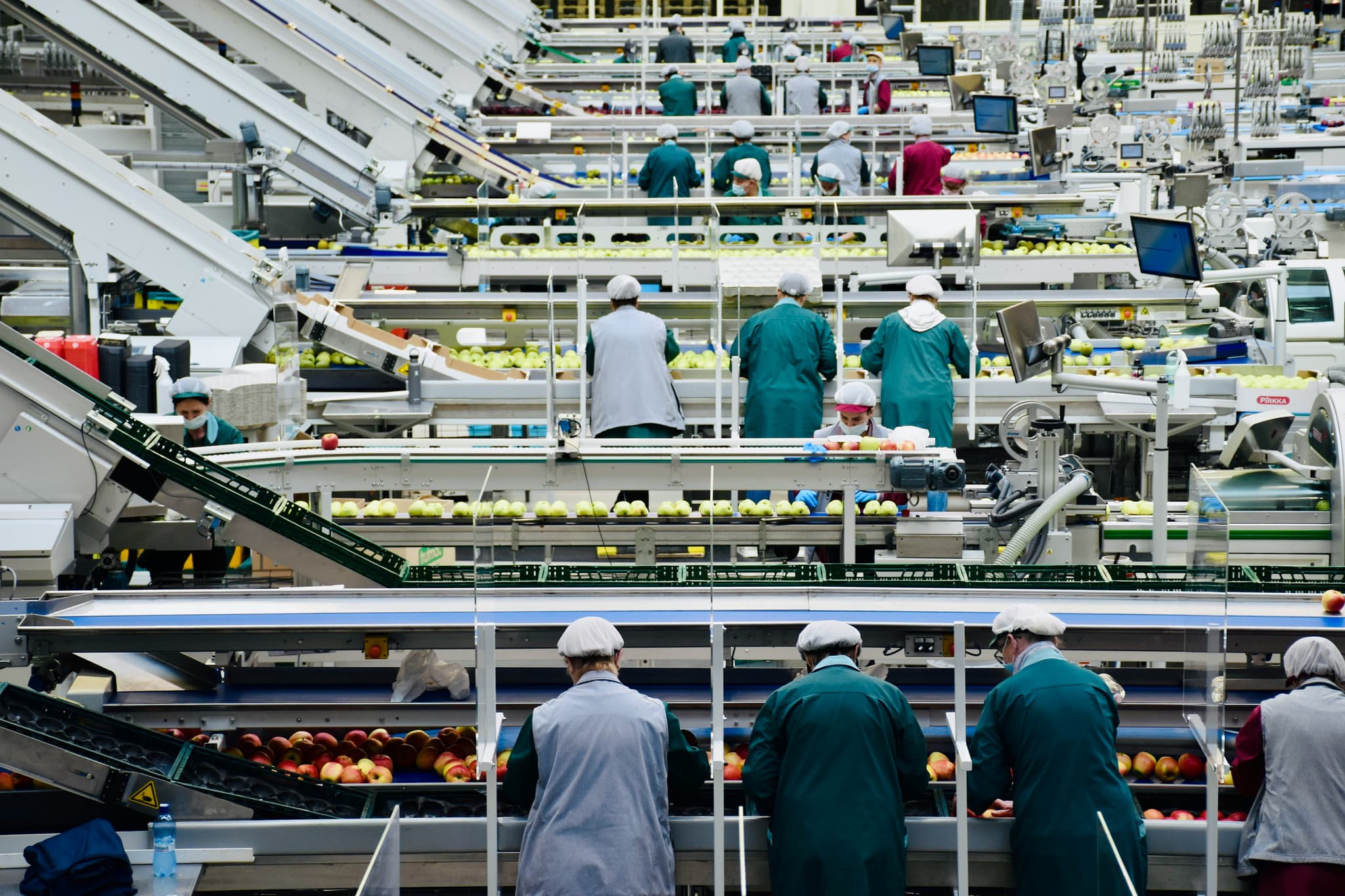
The monosodium glutamate (MSG) market in 2026 is closely tied to a broader recovery in global food ingredient logistics following the Hormuz disruption. While MSG itself is a relatively stable, high-volume fermentation-derived ingredient, its trade flows were significantly impacted when Gulf supply chains were disrupted between March and May 2026.
With the June 17 Hormuz MoU and gradual reopening of the Strait to commercial traffic, food ingredient supply routes into the GCC are now recovering. This is triggering a renewed wave of procurement activity, particularly for core flavor and formulation ingredients such as MSG, sodium gluconate, and related food acids.
GCC Food Supply Chain Disruption: Why MSG Was Affected
The Gulf Cooperation Council region relies heavily on imported food inputs.
Structural dependency:
Over 80% of food calories imported
High reliance on maritime logistics through Hormuz
Limited domestic food ingredient production
Impact during March–May 2026:
Shipment delays for food additives
Temporary shortages in processed food manufacturing
Inventory depletion across distributors
Partial suspension of some food processing lines
Even though MSG is not a perishable commodity in the traditional sense, its role in processed food systems made it strategically important.
Post-MoU Recovery: Restoring Ingredient Flow
With the Hormuz MoU in place, vessel movement is gradually normalizing.
Key developments:
Reopening of shipping lanes through the Strait
Resumption of scheduled container services
Gradual reduction in freight premiums
Rebuilding of GCC food ingredient inventories
This has created a restocking phase across the food ingredients sector.
MSG Supply Chain Structure
MSG is primarily produced through large-scale fermentation processes using carbohydrate feedstocks.
Key global producers:
Fufeng Group
Meihua Holdings Group
These companies dominate global MSG supply, particularly in bulk food and industrial-grade applications.
Why ASEAN Demand Is Recovering
While China remains the production base, ASEAN markets are a key demand center.
Demand drivers:
1. Food service sector recovery
Restaurants and hospitality reopening activity
Rising demand for standardized flavor systems
2. Processed food expansion
Growth in ready-to-eat meals
Increased convenience food consumption
3. GCC restocking cycle
Replenishment of depleted inventories
Contract renewal activity in Dubai and Riyadh
4. Price normalization expectations
Buyers returning after crisis-driven procurement delays
GCC Procurement Restart: Key Market Behavior
Procurement agents in the Gulf are now actively rebuilding supply positions.
Key behaviors observed:
Re-engagement with Chinese suppliers
Forward contracting for Q3 2026
Inventory rebuilding across warehouses
Preference for stable, long-term pricing agreements
Primary sourcing hubs:
Dubai (regional trading hub)
Riyadh (central procurement authority)
Jeddah and Dammam logistics corridors
Role of Chinese Producers in Recovery
Chinese MSG producers are positioned at the center of the recovery phase.
Fufeng Group and Meihua Holdings Group are expected to:
Key actions:
Rebuild GCC customer portfolios
Restore long-term supply contracts
Optimize export pricing after volatility period
Stabilize shipment schedules
Competitive advantage:
Large-scale fermentation capacity
Established export logistics networks
Cost-efficient production systems
Strong integration with starch-based feedstocks
MSG Pricing Dynamics Post-Crisis
The MSG market typically shows moderate volatility, but logistics disruptions introduced short-term distortions.
During crisis period:
Spot shortages in GCC markets
Elevated freight premiums
Emergency procurement pricing spikes
Post-MoU phase:
Gradual price normalization
Increased competition among suppliers
Return of contract-based pricing structures
However, prices are not expected to fall sharply due to:
Stable underlying demand
Strong food processing consumption
Continued global processed food growth
Sodium Gluconate and Related Ingredients
MSG recovery is part of a broader rebound in fermentation-based food additives.
Related product recovery:
Sodium gluconate (cleaning and food applications)
Citric acid (acidulant systems)
Citric Acid Anhydrous (E330) CAS: 77-92-9
Amino acids (feed and food applications)
Flavor enhancers and stabilizers
These ingredients often move through similar trade channels and procurement systems.
Sodium Bicarbonate Food Grade (E500(ii)) CAS: 144-55-8
Strategic Importance of GCC Market
The GCC region is increasingly important for global food ingredient suppliers due to:
Key characteristics:
High import dependency
Large hospitality and food service sector
Rapid urban population growth
Strong distribution hubs (Dubai, Riyadh)
This makes it a high-priority market for MSG exporters despite its volatility.
Outlook for Q3 2026
The MSG market is entering a restocking-driven recovery phase.
Expected trends:
Increased Chinese export volumes to GCC
Stabilization of freight and logistics costs
Rebuilding of distributor inventories
Contract renegotiation activity
Market balance:
Supply: stable (China-led)
Demand: recovering (GCC + ASEAN)
Pricing: stabilizing after volatility spike
Key Takeaways
GCC food supply chains were heavily disrupted during March–May 2026 due to Hormuz restrictions.
MSG supply was indirectly affected through logistics and inventory shortages.
Post-MoU reopening is driving a restocking cycle across Gulf food ingredient markets.
Fufeng Group and Meihua Holdings Group remain dominant global suppliers.
ASEAN demand is recovering alongside GCC procurement normalization.
Dubai and Riyadh are key re-engagement hubs for food ingredient sourcing.
Pricing is stabilizing but not expected to collapse due to steady demand.
Q3 2026 will be defined by contract rebuilding and inventory normalization.