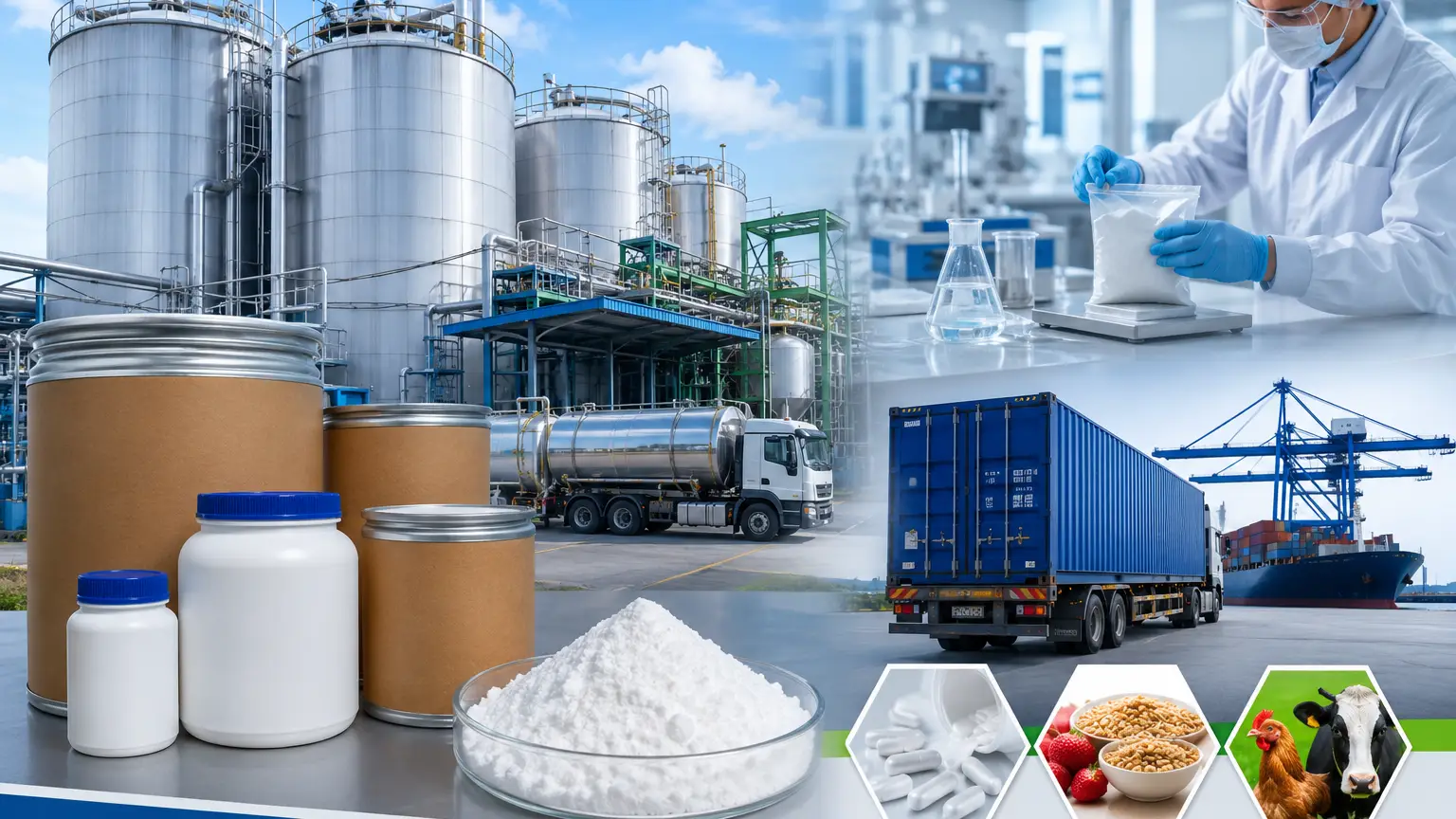

Propylene glycol (PG) has long been one of the most versatile chemicals in the global market, serving applications that range from pharmaceutical formulations and food products to antifreeze systems and industrial manufacturing.
In 2026, however, the market is becoming increasingly divided.
While pharmaceutical and food-grade propylene glycol continues to benefit from resilient demand and relatively stable supply conditions, industrial-grade material faces growing margin pressure as several downstream sectors remain in cyclical downturns.
For procurement teams, understanding this divergence is becoming increasingly important when planning sourcing strategies for H2 2026.
Why Propylene Glycol Matters
Propylene glycol is a critical ingredient across multiple industries.
Key applications include:
Pharmaceutical formulations
Oral medications
Injectable products
Food additives
Nutraceuticals
Cosmetics and personal care
Antifreeze formulations
HVAC systems
Construction chemicals
Despite sharing the same basic chemistry, different grades of propylene glycol operate in very different market environments.
Pharmaceutical and Food-Grade Markets Remain Strong
USP and EP grade propylene glycol continue to experience stable demand growth.
Several factors are supporting the market:
Pharmaceutical Formulation Growth
The pharmaceutical industry remains a major consumer of high-purity propylene glycol.
Applications include:
Oral syrups
Injectable formulations
Topical medicines
Drug delivery systems
As healthcare spending continues to rise globally, demand for pharmaceutical excipients remains healthy.
Nutraceutical Expansion
The rapid growth of nutraceutical products is creating additional demand.
Many nutraceutical formulations use pharmaceutical-grade propylene glycol as:
A solvent
A carrier ingredient
A stabilizer
The broader health and wellness market continues to support consumption growth.
GLP-1 Adjacent Demand
The expansion of obesity and metabolic health products is indirectly supporting demand for pharmaceutical excipients and formulation ingredients.
Although propylene glycol is not a GLP-1 API, increased manufacturing activity throughout the pharmaceutical ecosystem is benefiting suppliers of supporting ingredients.
Industrial Grade Markets Face Different Conditions
Industrial-grade propylene glycol is experiencing a much more challenging environment.
Several key end-use sectors remain under pressure.
Antifreeze Markets
Automotive production has stabilized in many regions but remains below historic growth expectations.
This has limited demand growth for propylene glycol-based antifreeze products.
Construction Sector Weakness
Construction activity remains subdued across several major markets.
Lower building activity directly affects demand for:
Heat transfer fluids
Construction chemicals
Industrial formulations
HVAC Slowdown
The HVAC industry continues to experience inventory adjustments and softer capital spending.
This has reduced consumption of industrial-grade propylene glycol in cooling and heating systems.
As a result, producers are facing increasing competition and weaker margins.
Feedstock Volatility Remains a Risk
One of the biggest challenges facing the propylene glycol market is feedstock cost volatility.
Propylene glycol is primarily produced from:
Propylene oxide
Propylene derivatives
Because propylene markets remain influenced by Middle East energy and petrochemical dynamics, pricing continues to fluctuate.
The 2026 Hormuz disruption affected:
Propylene production economics
Feedstock availability
Freight costs
Regional supply chains
These factors have created uncertainty throughout the value chain.
Why Pharma Grades Are More Resilient
Pharmaceutical and food-grade propylene glycol generally experience less pricing pressure than industrial grades.
Reasons include:
Higher Regulatory Requirements
Manufacturers must meet:
USP standards
EP specifications
GMP requirements
Quality documentation requirements
These barriers reduce competitive pressure.
More Stable Demand
Healthcare demand tends to remain relatively resilient during economic slowdowns.
Higher Value Applications
Pharmaceutical buyers prioritize:
Quality
Reliability
Traceability
over purely price-driven purchasing decisions.
This supports stronger margins compared with industrial applications.
Procurement Strategy for H2 2026
Pharmaceutical procurement teams should consider several actions.
Secure Qualified Suppliers
Ensure suppliers maintain:
USP compliance
EP compliance
GMP standards
Regulatory documentation
Evaluate Long-Term Contracts
Stable supply agreements may help reduce exposure to feedstock volatility.
Monitor Propylene Oxide Markets
Changes in propylene oxide pricing can quickly influence glycerol and propylene glycol economics.
Diversify Regional Supply
Combining suppliers from:
North America
Europe
Asia
can improve resilience against regional disruptions.
What to Watch Through the Rest of 2026
Several developments will influence market direction:
Propylene feedstock pricing
Hormuz-related logistics conditions
Pharmaceutical manufacturing growth
Nutraceutical demand expansion
Industrial market recovery trends
If industrial sectors remain weak while pharmaceutical demand continues growing, the divergence between market segments may widen further.
Conclusion
The propylene glycol market is becoming increasingly segmented in 2026. Pharmaceutical and food-grade material continues to benefit from strong healthcare, nutraceutical and formulation demand, while industrial-grade propylene glycol faces margin pressure from weaker construction, HVAC and antifreeze markets.
At the same time, feedstock volatility linked to propylene oxide and broader petrochemical markets remains an important risk factor. For pharmaceutical procurement teams, securing qualified suppliers and establishing stable sourcing strategies for H2 2026 may prove increasingly valuable as market conditions continue evolving.
Mono Propylene Glycol (E1520) CAS: 57-55-6