



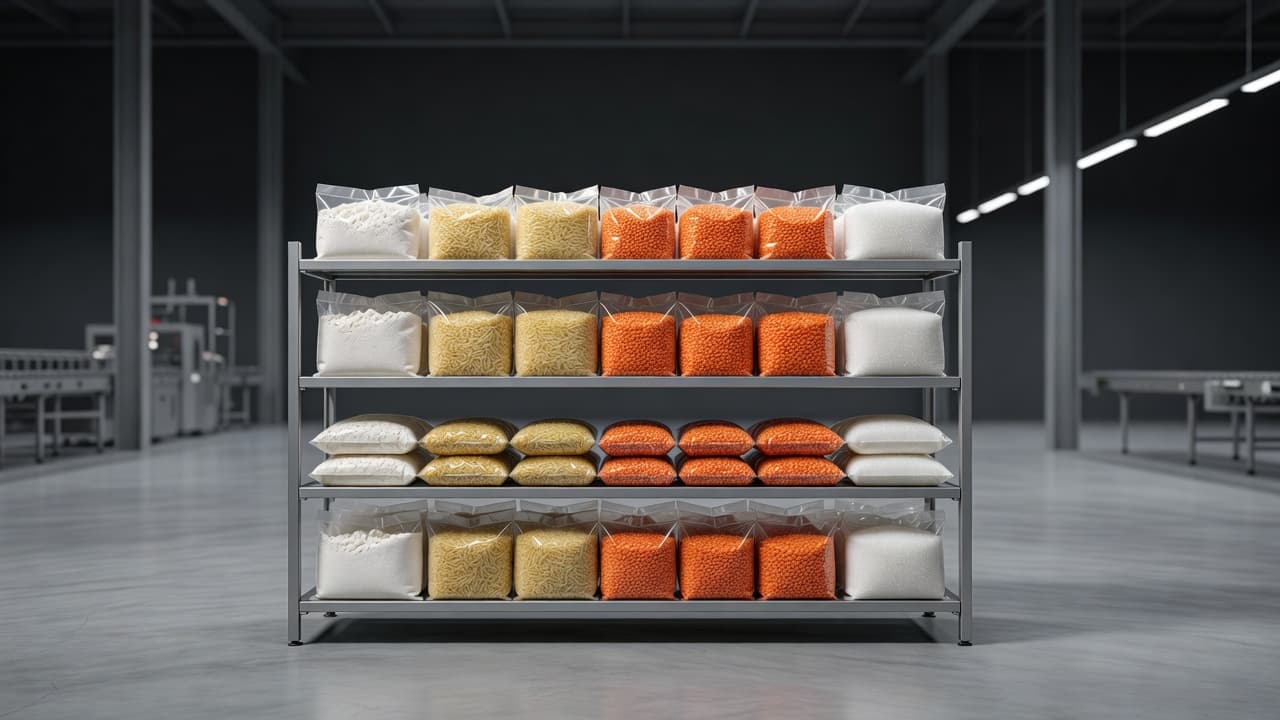
Manufacturing activity and consumer spending often move together, making the ISM Manufacturing PMI an important indicator for food ingredient suppliers. Procurement teams can use PMI trends alongside retail demand data to strengthen purchasing and inventory decisions.
C&EN's 2026 outlook highlights growing policy attention on food additives, consumer chemicals and environmental exposures alongside broader industrial deregulation. Here's what procurement professionals should watch as regulatory priorities evolve.

The first week of July marks a critical contracting period for global sucralose buyers. With structural demand rising alongside GLP-1 medication adoption and Chinese producers preparing H2 pricing announcements, procurement decisions made now could influence ingredient costs for the rest of 2026.

MSG pricing is set for a pivotal shift as Chinese producers Fufeng Group and Meihua Holdings release their H2 2026 contracts. With stable corn costs and easing freight rates, the new price points could redefine global food ingredient procurement. This article explores the strategic moves of these key players and the competitive implications for buyers worldwide.

The EPA’s July 7 PFAS hearings will shape the regulatory landscape for the food industry. Chemical buyers must understand how differing US and EU rules influence H2 2026 sourcing of key ingredients such as citric acid, sucralose, and corn starch. Early action can secure supply and compliance.

EU’s REACH Omnibus introduces tighter rules for modified starches, impacting esterified and etherified varieties used in food. Manufacturers must audit suppliers, especially tapioca and corn starch providers, to ensure compliance before Q3 2026. Stay ahead with our compliance guide.
We're committed to your privacy. Tradeasia uses the information you provide to us to contact you about our relevant content, products, and services. For more information, check out our privacy policy.