
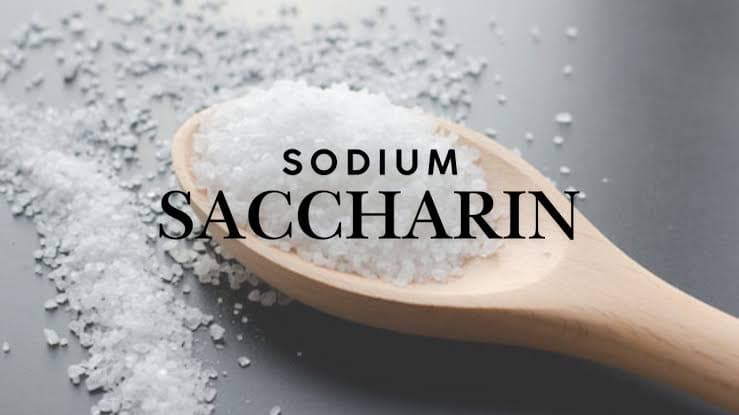
Sucralose and Sodium Saccharin: Artificial Sweetener Market Dynamics in the GLP-1 Era
Introduction
The global artificial sweetener market is entering a structurally different phase in 2026. For decades, demand growth was primarily driven by sugar reduction trends linked to obesity, diabetes, and rising health awareness. However, a new factor is now reshaping consumption patterns: the rapid adoption of GLP-1 weight-loss medications such as semaglutide-based therapies (e.g., Ozempic and Wegovy).
These therapies are changing how much people eat, how often they consume high-calorie products, and in some cases, reducing overall demand for sweetened beverages and confectionery. As a result, key sweeteners like sucralose and sodium saccharin are experiencing a more complex demand environment—still growing, but at a slower and more uneven pace than previously forecast.
The GLP-1 Effect on Sweetener Demand
GLP-1 medications work by:
Reducing appetite
Increasing satiety
Lowering overall caloric intake
Changing food consumption frequency
Market implication:
Instead of simply replacing sugar with artificial sweeteners, some consumers are now:
Eating less overall
Reducing snack and beverage consumption
Shifting toward smaller portion sizes
This introduces a structural moderation effect on sweetener demand growth, especially in premium beverage and confectionery segments.
Sucralose Market: Growth Continues, But Slower Than Expected
Sucralose (E955) remains the dominant high-intensity sweetener in global food and beverage applications due to its high sweetness potency and stability.
Key properties:
~600× sweeter than sugar
Heat stable (baking and beverages)
No caloric contribution
Clean taste profile compared to older sweeteners
Demand drivers:
Sugar reduction reformulation in beverages
Growth in low-calorie dairy products
Expansion of functional beverages
Increasing use in pharmaceutical formulations
2026 shift:
While demand is still increasing, the growth rate is slowing due to:
Reduced consumption volume per capita (GLP-1 effect)
Maturing beverage reformulation cycles in developed markets
Slower expansion in high-intensity sweetener penetration in saturated categories
Sodium Chlorate CAS: 7775-09-09 00:00:00
Sodium Benzoate (E211) CAS: 532-32-1
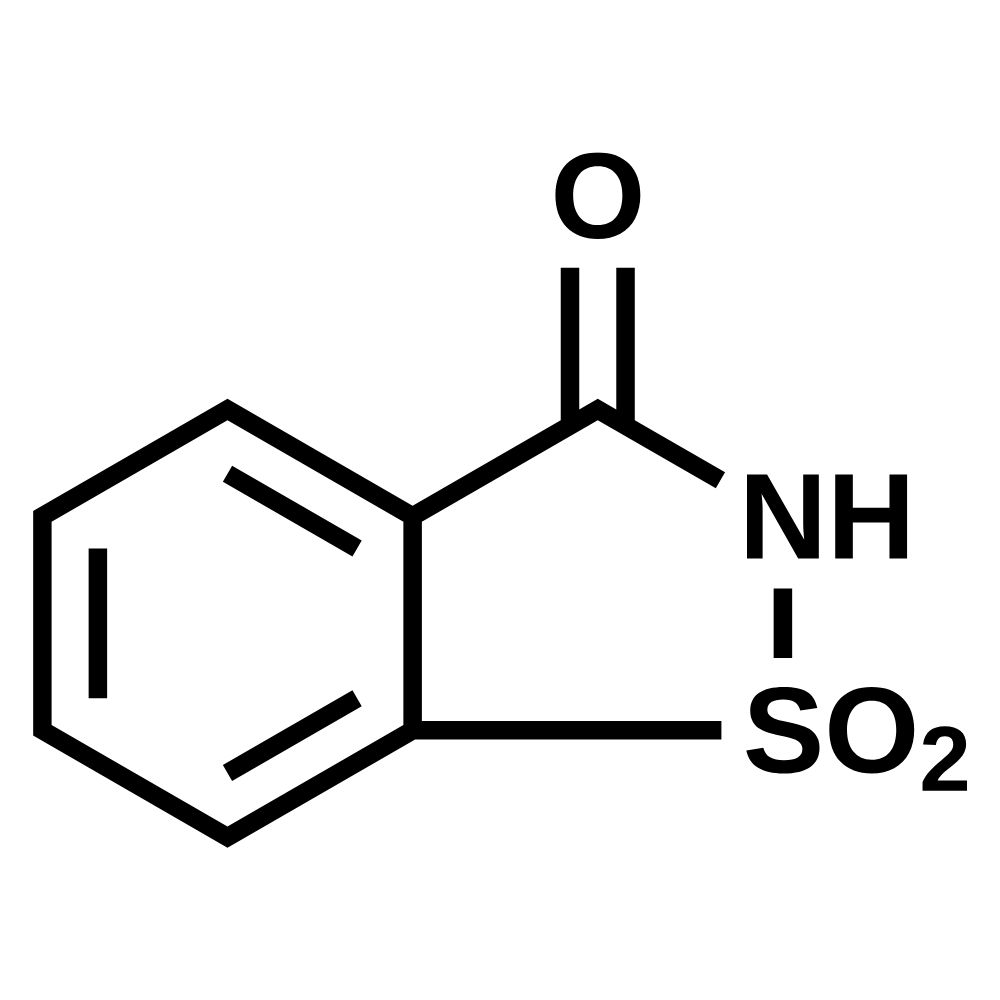
Sodium Saccharin: Mature but Strategically Relevant
Sodium saccharin (E954) is one of the oldest artificial sweeteners but remains widely used due to its extremely low cost and functional versatility.
Key properties:
Very high sweetness intensity
Slight metallic aftertaste in some applications
Extremely cost-efficient
Stable under heat and processing conditions
Traditional applications:
Tabletop sweeteners
Low-cost beverage formulations
Pharmaceuticals (tablet coatings, syrups)
Oral care products (toothpaste)
2026 evolution: Industrial diversification
Beyond food applications, sodium saccharin is seeing renewed demand in:
1. Pharmaceutical applications
Tablet coating systems
Syrup formulations
Taste masking in oral drugs
2. Industrial applications
Electroplating processes
Chemical intermediates
Specialty manufacturing uses
This diversification is helping stabilize demand even as food usage matures.
China’s Dominance in Sweetener Production
China remains the global center of artificial sweetener production for both sucralose and saccharin.
Key reasons for dominance:
Integrated chemical and fermentation infrastructure
Cost-competitive production base
Large-scale export capabilities
Established supplier networks in global food industry
Major producers include:
Large-scale sucralose manufacturers in China
Saccharin producers such as domestic chemical groups integrated into fine chemical chains
Market behavior:
Chinese producers continue to maintain pricing discipline, avoiding aggressive price competition despite stable-to-moderate demand growth.
Supply vs Demand Balance in 2026
Unlike earlier periods of rapid expansion, the sweetener market is now characterized by:
Supply side:
Stable global production capacity
Strong Chinese export base
Adequate inventory levels
Demand side:
Slower-than-expected beverage volume growth
Structural moderation in consumption due to GLP-1 drugs
Strong but maturing reformulation trends
Result:
A balanced but slower-growth market, rather than a tight or shortage-driven environment.
Regional Demand Trends
Asia-Pacific
Strongest growth region overall
India and Southeast Asia driving beverage expansion
Continued sugar replacement in processed foods
North America
Mature sweetener penetration
GLP-1 impact more visible in beverage volume decline
Growth concentrated in niche functional beverages
Europe
Strong regulatory-driven sugar reduction
Stable but slower volume growth
Higher focus on clean-label sweetener combinations
Application Shifts in 2026
Beverage Industry
Diet sodas
Functional waters
Energy drinks (moderating growth)
Food Industry
Sugar-free confectionery
Low-calorie dairy products
Bakery reformulations
Pharmaceuticals
Syrups
Chewable tablets
Taste masking systems
Industrial (Saccharin-specific)
Electroplating chemicals
Specialty formulations
Competitive Dynamics
Sucralose:
Premium positioning
Higher price per kg
Strong regulatory acceptance globally
Saccharin:
Cost-driven demand base
Dual food + industrial usage
Strong volume stability despite mature food demand
The two sweeteners increasingly serve different market layers rather than direct substitution competition.
Strategic Buyer Considerations
Procurement teams in 2026 are focusing on:
Demand forecasting adjustments for GLP-1-related consumption changes
Dual sourcing strategies (China + secondary suppliers)
Application-specific sweetener selection (cost vs taste vs regulatory)
Long-term contract flexibility due to uncertain consumption patterns
Market Outlook
The artificial sweetener market is transitioning from high-growth expansion to a more structurally stable but slower-growth environment. While sugar reduction remains a strong long-term trend, GLP-1 medications are introducing a new behavioral layer that reduces overall consumption volumes in certain segments.
China continues to dominate global supply for both sucralose and sodium saccharin, maintaining stable pricing behavior. Future demand growth will likely be driven more by product reformulation and regional population growth rather than per-capita consumption increases.
Key Takeaways
GLP-1 weight-loss drugs are reducing overall calorie and sweetener consumption in some markets.
Sucralose demand is still growing but at a slower pace than previous forecasts.
Sodium saccharin is seeing renewed industrial and pharmaceutical applications.
China dominates global production of both sweeteners.
The market is shifting from high-growth to stable, mature expansion.
Asia-Pacific remains the strongest growth region.
Industrial diversification is helping stabilize saccharin demand.
Procurement strategies are becoming more cautious and scenario-based.