
Ten Days of Conflict and Counting: Why Food Ingredient Contracts Need Gulf Risk Clauses
As hostilities in the Gulf enter a tenth day with no immediate resolution in sight, food ingredient buyers are increasingly recognizing the need for explicit risk clauses in supply contracts. The ongoing conflict has exposed vulnerabilities in traditional contract language when dealing with geopolitically sensitive sourcing regions.
Ten Days of Conflict and Counting: Why Food Ingredient Contracts Need Gulf Risk Clauses
The current crisis has moved beyond a short-term disruption. With each passing day, the potential for prolonged impact on shipping, production, and pricing grows. Standard contract terms often fail to adequately address these kinds of extended geopolitical events.
Why Explicit Gulf Risk Clauses Are Now Essential
Traditional force majeure clauses may cover some scenarios, but they often lack specificity regarding maritime disruptions, insurance cost spikes, or extended delivery delays caused by conflict in key chokepoints. Buyers sourcing ingredients with Gulf exposure — whether direct or through supply chain linkages — need more robust protections.
Key Elements to Include in Contracts
Clear Definition of Gulf Disruption Events: Explicit language covering blockades, attacks on vessels, port closures, and related logistics failures.
Price Adjustment Mechanisms: Provisions for renegotiation or automatic price adjustments when logistics costs rise beyond certain thresholds.
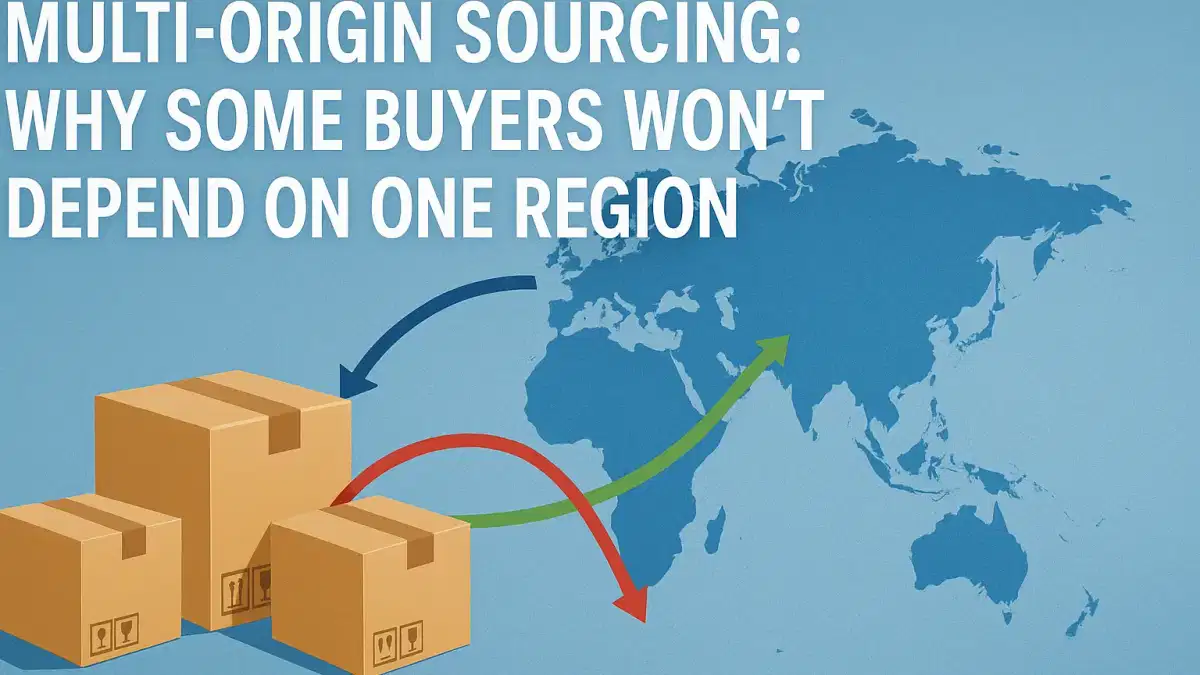
Alternative Delivery Options: Rights to source from alternative origins or reroute shipments without penalty.
Extended Delivery Windows: Flexible timelines that account for prolonged rerouting or port congestion.
Termination Rights: Clear conditions under which contracts can be suspended or terminated due to sustained disruption.

Benefits of Stronger Contract Language
Well-drafted Gulf risk clauses provide several advantages:
Greater predictability in cost and supply planning
Reduced likelihood of prolonged disputes during crises
Stronger negotiating position when dealing with suppliers
Better ability to manage risk with internal stakeholders and customers
Practical Steps for Buyers
Food ingredient procurement teams should review existing contracts and update templates for future agreements. Working closely with legal and logistics teams to develop standardized Gulf risk language can save significant time and cost when tensions flare.
Suppliers who are willing to include balanced risk-sharing provisions may actually gain competitive advantage by offering greater certainty to buyers in volatile times.
Looking Ahead
With the conflict now in its tenth day, the assumption that Gulf-related disruptions will be short-lived is no longer tenable. Proactive buyers who build appropriate safeguards into their contracts will be better positioned to navigate not only the current situation but also future periods of geopolitical tension.
The events of the past ten days have made one thing clear: in today’s interconnected world, food ingredient supply contracts must explicitly account for Gulf risk to remain effective.
Calcium Chloride (E509) CAS: 10043-52-4