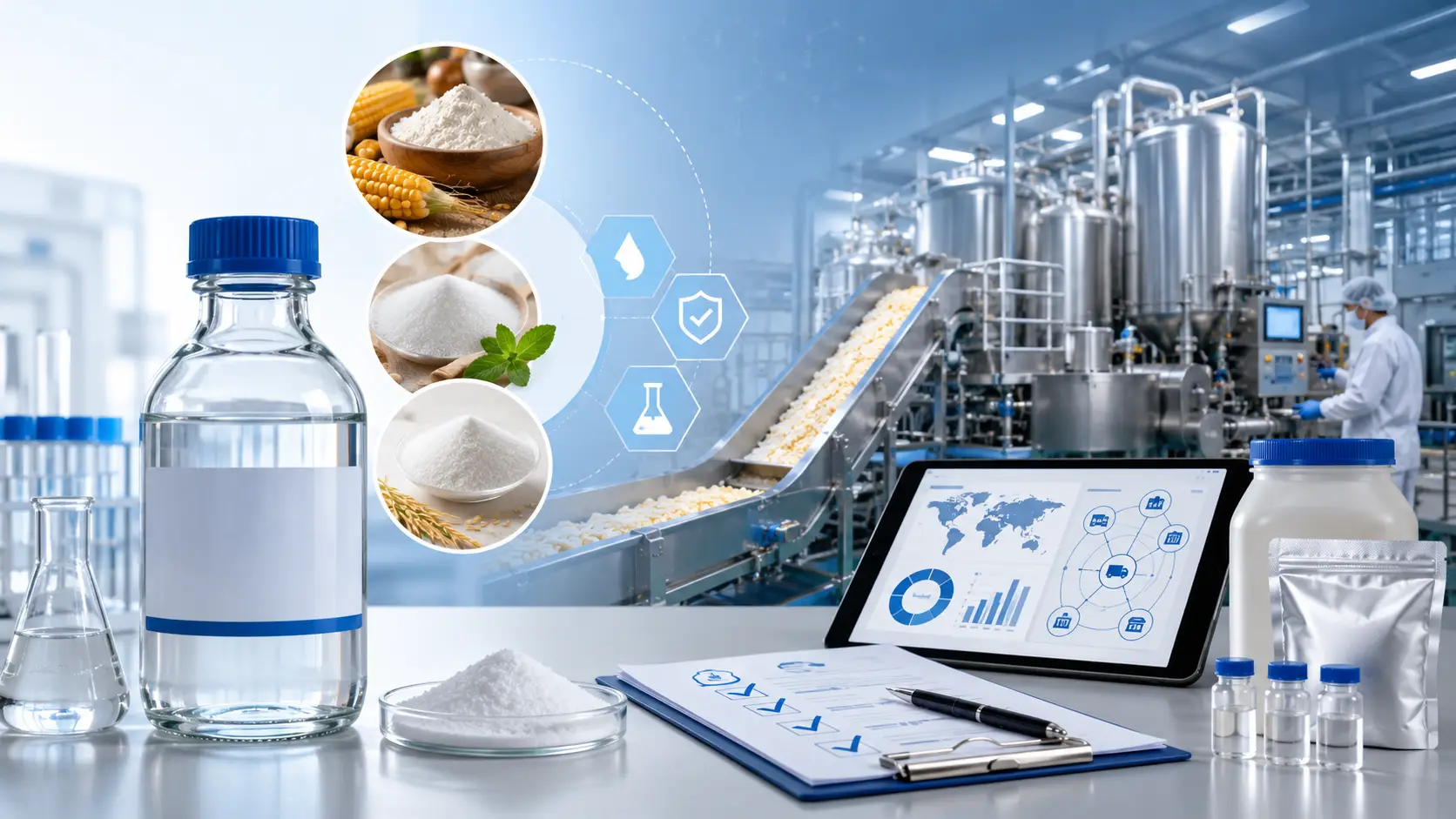

Overview of the Vanillin Market
The global vanillin market is projected to grow steadily, driven by the demand for flavor ingredients in food manufacturing and the rise of clean‑label products. In 2026, the three main supply streams—natural vanilla extract, bio‑based vanillin, and synthetic vanillin—will shape pricing dynamics and supply stability.
Three Sourcing Options
1. Natural Vanilla Extract
Natural vanilla is extracted from the seed pods of Vanilla planifolia and remains the gold standard for premium products. However, its high cost and geographic concentration (primarily Madagascar, Indonesia, and Mexico) make it a volatile option.
Price Range: $1,200–$1,800 per kg of pure vanillin content.
Regulatory: Meets REACH compliance for food additives but requires traceability of botanical origin.
Clean‑Label Appeal: Highest among all options; consumers associate “natural vanilla” with authenticity.
2. Bio‑Based Vanillin
Bio‑based vanillin is produced from renewable feedstocks such as lignocellulosic biomass or engineered yeast fermentation. It offers a middle ground between natural and synthetic routes.
Price Range: $800–$1,200 per kg of vanillin.
Regulatory: REACH compliant; must be declared as a bio‑derived ingredient.
Clean‑Label Appeal: Growing acceptance, especially in “clean label” and “natural” categories.
3. Synthetic Vanillin
Synthetic vanillin, typically made from guaiacol or lignin via catalytic processes, offers the most cost‑effective solution but raises concerns among certain consumer segments.
Price Range: $500–$800 per kg of vanillin.
Regulatory: Fully REACH compliant; must be listed as a food additive.
Clean‑Label Appeal: Lowest; often labeled as “artificial” or “manufactured.”
Price Matrix for H2 2026
Natural Vanilla: $1,400 per kg, with a 5‑10% escalation risk due to climate and political factors.
Bio‑Based Vanillin: $1,000 per kg, stable supply from European biorefineries.
Synthetic Vanillin: $650 per kg, projected to decline as catalyst efficiencies improve.
Manufacturers should weigh these figures against their product positioning and target margins.
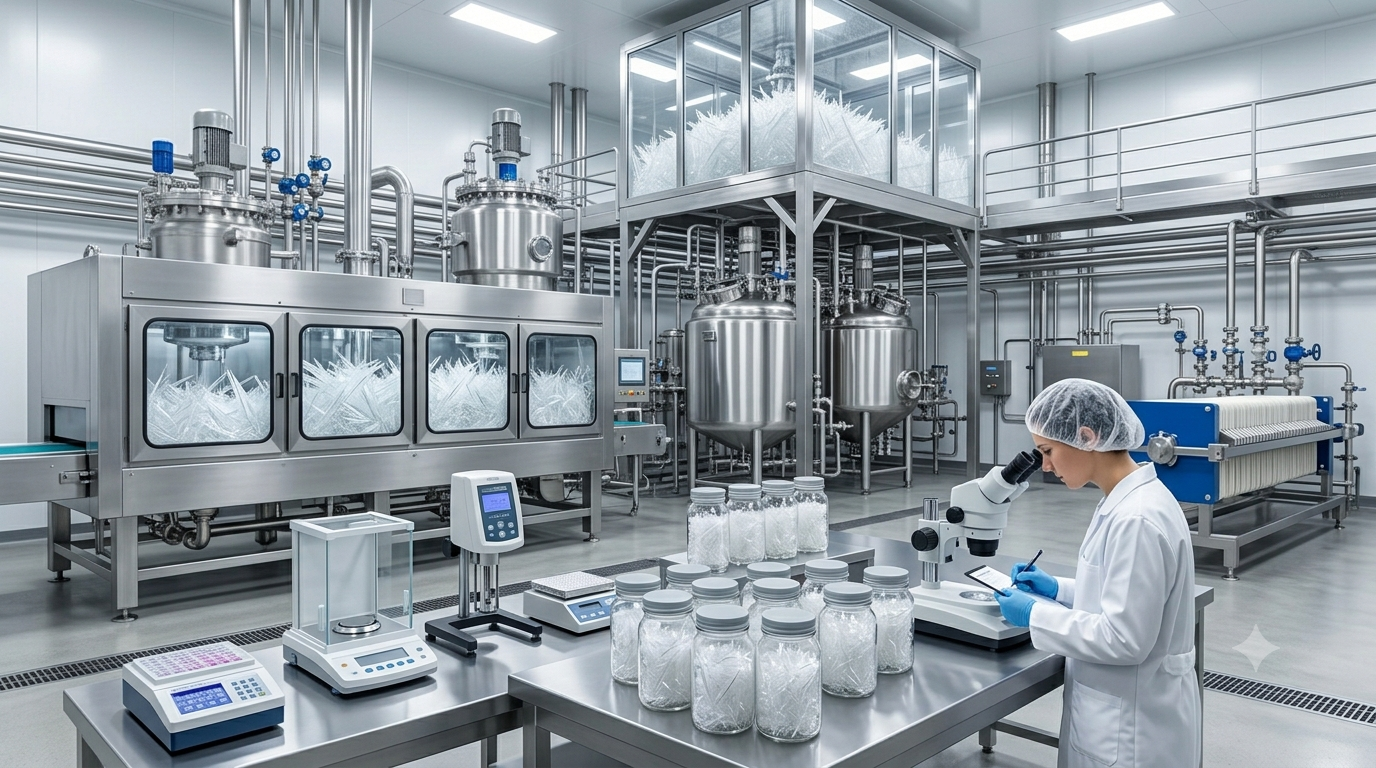
Key Considerations for Contract Negotiations
Supply Chain Resilience: Diversify sources to mitigate geopolitical risks.
Regulatory Alignment: Confirm REACH registration numbers and declaration requirements.
Consumer Perception: Align ingredient choice with marketing claims such as “natural” or “clean label.”
Pricing Flexibility: Negotiate tiered pricing based on volume thresholds and long‑term commitments.
Conclusion
In H2 2026, vanillin buyers will navigate a three‑way price matrix that balances cost, compliance, and consumer expectations. By strategically combining natural, bio‑based, and synthetic sources, food manufacturers can secure competitive pricing while meeting regulatory and brand standards.
Vanillin CAS: 121-33-5