17 November 2025
Global Cocoa Powder Prices Surge as West African Output Declines
Food Additives
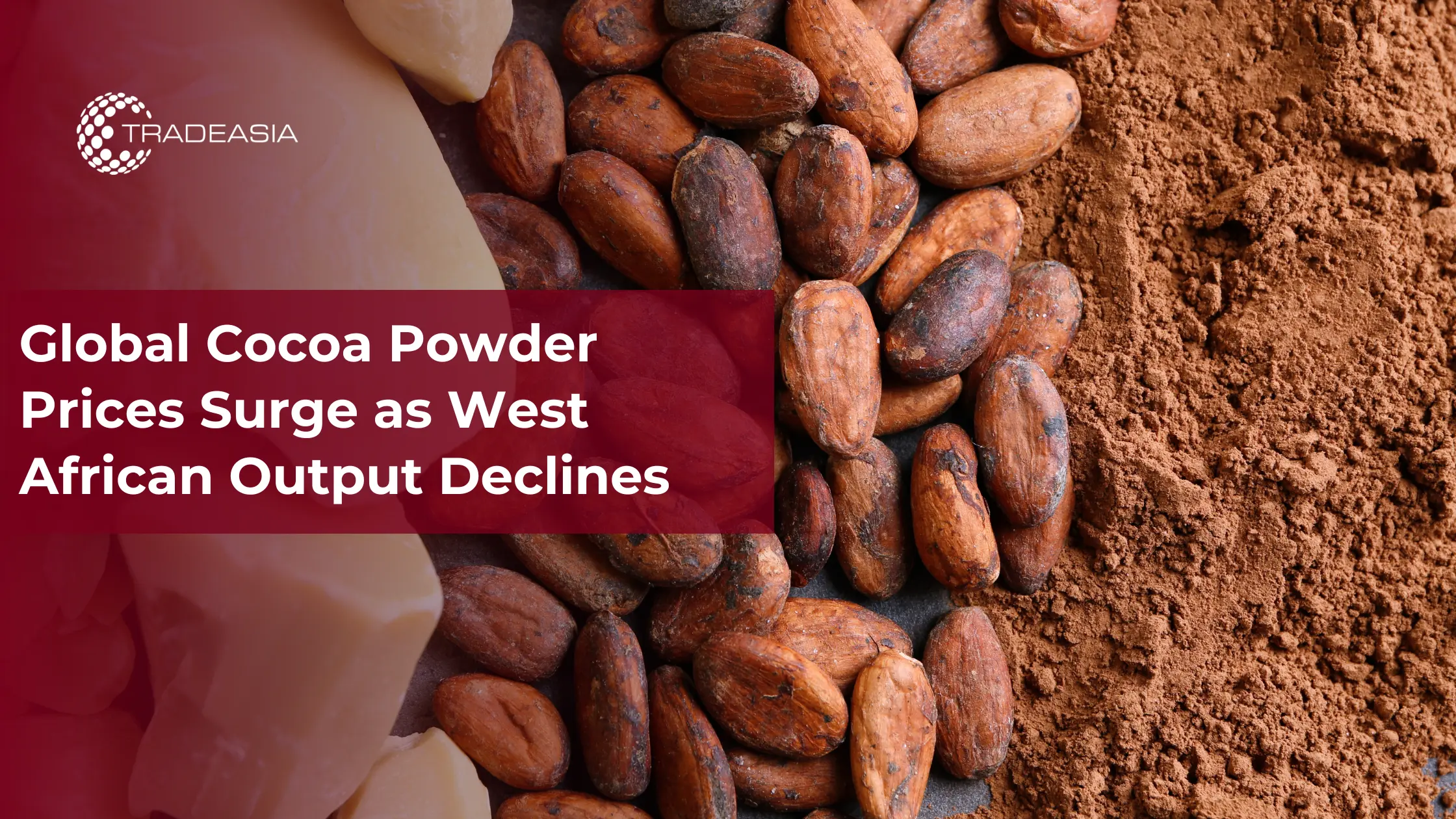
Table of Content
- West Africa’s Production Challenges Impacting Supply
- Market Reactions and Forward Outlook
17 November 2025
Food Additives
The global cocoa powder market is experiencing a significant price surge as a sharp decline in the output of West African cocoa producers threatens supply continuity. Given that West Africa supplies roughly 70% of the world's cocoa, the output decline from key producers has sent shockwaves through the industry, affecting manufacturers and consumers alike.
West Africa, particularly Côte d'Ivoire and Ghana—the largest cocoa producers globally—is facing a projected output decline of around 10% for the 2025/26 season. This downturn is attributed to a combination of adverse weather conditions including excessive rainfall, which disrupts harvests and fosters crop diseases, as well as aging cocoa trees. Additional challenges such as limited access to fertilizers, inadequate financing, and infrastructure issues further hamper farmers' ability to maintain or increase yields.
This shrinking supply from the heart of the cocoa industry threatens global availability, intensifies competition for cocoa beans, and contributes to the ongoing upward pressure on cocoa powder prices, which have already seen historic highs recently.
The tightening supply combined with robust demand—especially from confectionery, bakery, and beverage sectors—is fueling the price escalation. While the market is currently responding to supply concerns, there remains considerable uncertainty due to logistical constraints and socio-economic factors in producing regions.
Industry players are watching closely as the 2025/26 season unfolds. Some experts anticipate that increased rainfall in West Africa may improve yields slightly, potentially easing price pressures in the near term. However, the market anticipates sustained volatility driven by climatic unpredictability, farmer challenges, and geopolitical factors influencing trade flows.
Efforts to invest in sustainable farming practices, disease control, and improved financing for cocoa farmers are underway, aiming to stabilize future production and ensure long-term supply resilience. Meanwhile, manufacturers and traders are adapting sourcing strategies to navigate the tight supply landscape and mitigate price risks.
The current surge in cocoa powder prices highlights the critical importance of West African cocoa production in the global supply chain and underscores the need for comprehensive strategies to support sustainable cocoa farming and secure market stability.
We're committed to your privacy. Tradeasia uses the information you provide to us to contact you about our relevant content, products, and services. For more information, check out our privacy policy.
Leave a Comment