17 November 2025
Malic Acid in the Food Industry: Key Applications and Benefits
Food Additives
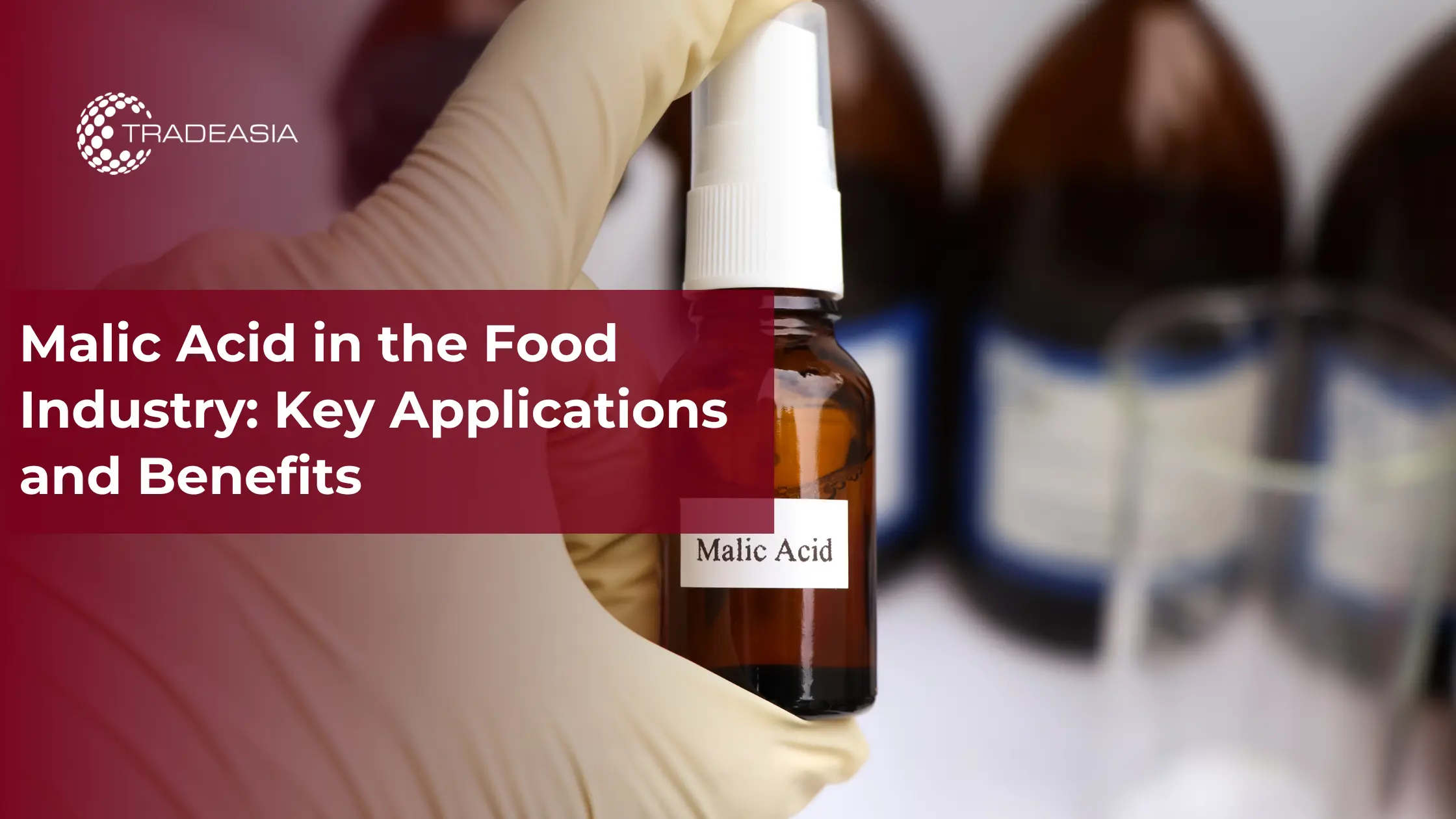
Table of Content
- Key Applications of Malic Acid in Food Production
- Benefits of Using Malic Acid in Food Industry
17 November 2025
Food Additives
Malic acid, often known as "apple acid," is a naturally occurring organic acid that plays an essential role in the food industry. Valued for its sour and tart flavor profile, malic acid is widely used as an acidulant, flavor enhancer, preservative, and pH regulator across a range of food and beverage products.
Malic acid is a popular ingredient in beverages such as fruit juices, carbonated drinks, and sports refreshments, where it imparts a refreshing tartness and enhances the natural fruit flavors. Its high solubility and rapid dissolution make it particularly effective in powdered mixes and beverage concentrates.
In baked goods, malic acid acts as an acidity regulator improving dough texture and overall product quality, especially under high humidity conditions. It's also commonly added to candies and desserts to provide a long-lasting sour taste while stabilizing moisture levels to prevent clumping.
Moreover, malic acid's ability to chelate metal ions supports color retention and stability in processed foods, which benefits appearance and shelf life. Its antimicrobial properties help in preserving freshness in various food formulations.
Compared to other organic acids, malic acid offers distinct advantages. It delivers a more sustained sourness with a softer, less harsh taste profile, which enhances consumer acceptability. The acid also intensifies and balances complex flavors, reducing the need for additional artificial flavorings or excess sugar, thereby supporting healthier product formulations.
Besides flavor, malic acid supports energy metabolism in the body and is used in sports nutrition and dietary supplements due to benefits like fatigue reduction and improved physical endurance.
Malic acid’s diverse functionalities—from taste enhancement and preservation to pH control—make it a vital and versatile ingredient in modern food manufacturing, helping producers meet the growing demand for flavorful, stable, and health-conscious products.
We're committed to your privacy. Tradeasia uses the information you provide to us to contact you about our relevant content, products, and services. For more information, check out our privacy policy.
Leave a Comment