Vital Wheat Gluten: Riding the Wave of Plant-Based Food Demand
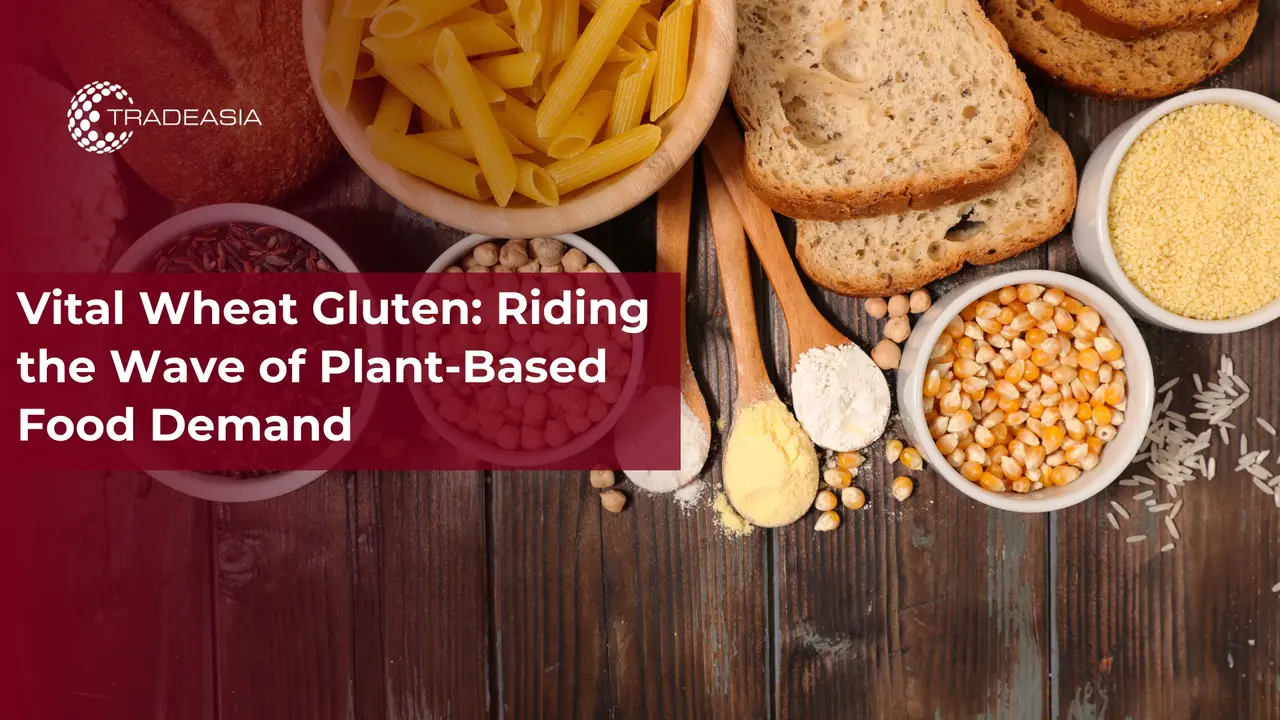
Table of Content
- What Is Vital Wheat Gluten?
- Benefits in Food Applications
- Versatility Across Food Sectors
- Alignment with Plant-Based Trends
- Challenges and Considerations
Vital wheat gluten, a concentrated protein derived from wheat, has emerged as a cornerstone ingredient in the food industry, particularly as the demand for plant-based and high-protein foods continues to soar. Its unique functional properties, nutritional benefits, and versatility make it invaluable to food manufacturers aiming to meet evolving consumer preferences and create innovative products.
What Is Vital Wheat Gluten?
Vital wheat gluten is extracted by hydrating wheat flour to activate the gluten and then removing the starch, resulting in a high-protein powder that typically contains around 75–85% gluten. This ingredient is prized for its elasticity and binding properties, which replicate the texture and mouthfeel of meat, making it a popular choice for vegetarian and vegan products.
Benefits in Food Applications
-
Texture and Structure Enhancement: Vital wheat gluten improves dough strength and elasticity in bakery products, leading to better volume and finer crumb. This is especially important in whole grain and gluten-free baking, where the structure is usually weaker.
-
Plant-Based Meat Alternatives: It acts as the main protein source and texturizer in meat substitutes such as seitan, offering a fibrous, chewy consistency that closely mimics real meat.
-
Binding Agent: In snack foods, cereals, and pet foods, it helps improve texture and prevent crumbling, maintaining product integrity.
Versatility Across Food Sectors
Vital wheat gluten finds extensive use beyond bakery and meat analogs. In pasta production, it fortifies the wheat dough, improving firmness and cooking quality. This ingredient is also gaining traction in aquaculture and animal feed applications due to its high protein content and digestibility, supporting sustainable livestock nutrition.
Alignment with Plant-Based Trends
The surge in vegetarianism, veganism, and flexitarian lifestyles provides fertile ground for vital wheat gluten’s expanding role. Consumers increasingly seek sustainable protein sources with minimal environmental impact, and this ingredient fits seamlessly into that narrative. Food producers capitalize on its ability to recreate meat-like textures and enrich protein content, helping meet consumer demand for nutritious and enjoyable plant-based options.
Challenges and Considerations
While vital wheat gluten offers numerous benefits, its use requires careful formulation to manage potential allergenicity associated with gluten. Additionally, supply chain stability and raw material price fluctuations are factors manufacturers monitor closely, given the reliance on wheat farming and global market conditions.
Source:
Leave a Comment