Ascorbic Acid Blends Revolutionize Plant-Based Meat Texture
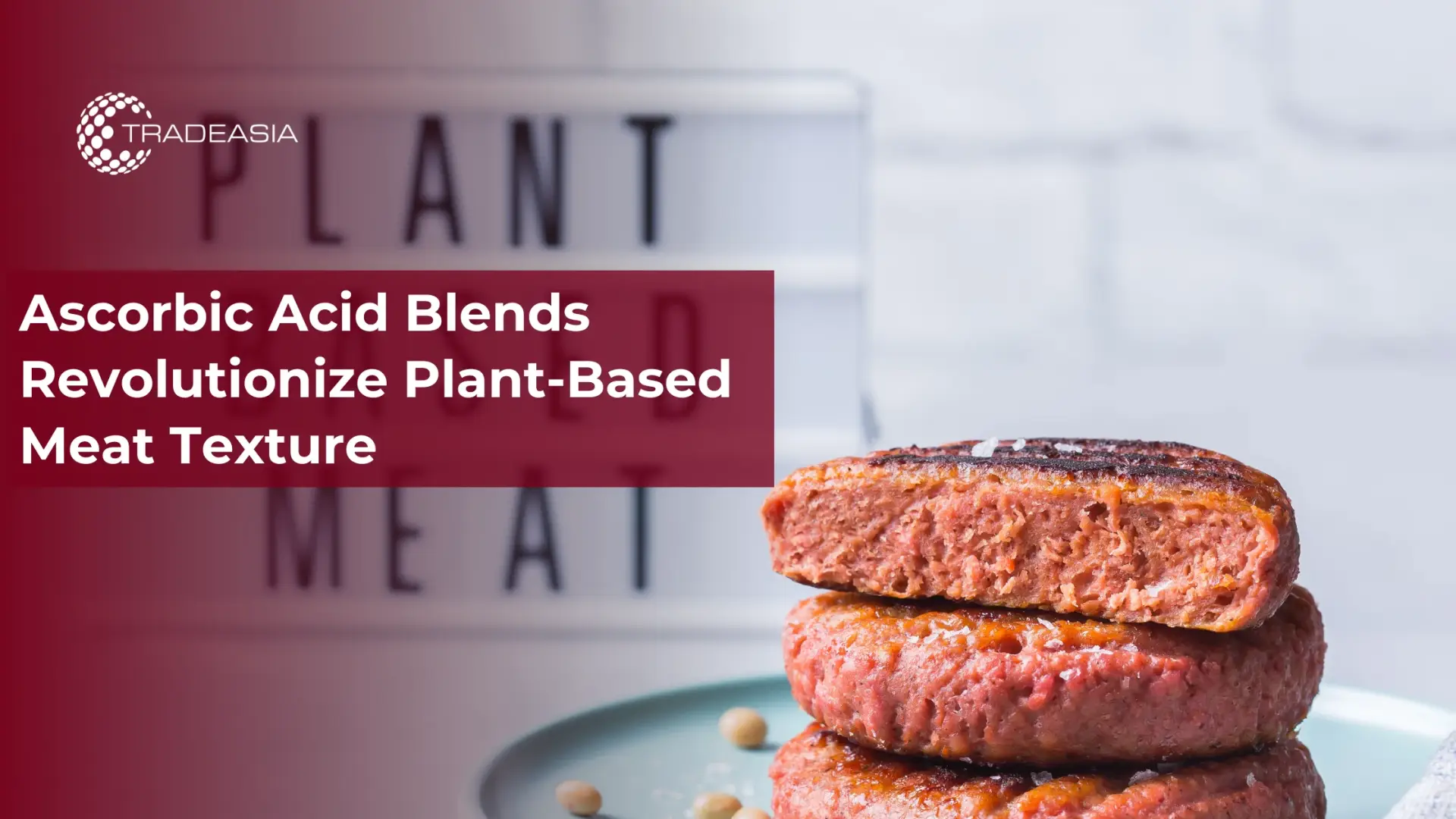
Table of Content
- Making Plant-Based Burgers Taste and Feel Like Real Meat
- How These Blends Work: Simple Science Behind the Magic
- Where These Blends Appear in Plant-Based Foods
- Safety Checks and Label Considerations
- Growing Interest in This Approach
Making Plant-Based Burgers Taste and Feel Like Real Meat
Plant-based burgers often struggle to match the texture of real meat, but ascorbic acid blends are changing that. These ingredient combinations use vitamin C (ascorbic acid) mixed with small amounts of hydrogen peroxide and azodicarbonamide (50-200 ppm) to strengthen proteins from peas and wheat, creating fibers similar to animal muscle. The process improves elasticity by 25-35%, helping address issues like rubbery texture in soy-free options. Some products using these blends maintain quality in the freezer for up to 18 months.
How These Blends Work: Simple Science Behind the Magic
Plant proteins can be like loose strands that need linking together for a good bite. Ascorbic acid helps form chemical connections called disulfide bonds, building strong networks in pea-wheat mixtures. It works with hydrogen peroxide to promote browning during cooking and prevents fat spoilage by binding iron. This also reduces unwanted bean-like flavors by controlling certain chemical reactions. Research shows the right mix gives patties 15% more strength than versions without it.
Where These Blends Appear in Plant-Based Foods
In pea protein burgers, 100 ppm of the blend supports color changes from pink to brown on the grill and holds 20% more moisture. Wheat gluten products develop layered fibers through a process called high-moisture extrusion. Mushroom-based options use them to firm up gels and extend shelf life. The blends also allow mixing in proteins like lupins.
Safety Checks and Label Considerations
The FDA lists these blends as generally safe up to 500 ppm in meat substitutes, with Europe providing approvals for new foods. Some versions use fermented ascorbic acid to meet preferences for simpler ingredient lists. Testing confirms products stay safe and fresh for 12 months.
Growing Interest in This Approach
Interest in ascorbic acid blends continues to build as plant-based meat options expand worldwide, driven by research showing improved texture and stability. Food developers favor them for enabling realistic cooking behaviors like proper browning and juiciness, which help bridge the gap between plant and animal products. With steady market growth and ongoing studies into cleaner formulations, these blends support broader adoption across burgers, sausages, and other alternatives, alongside options like tocopherols.
Sources:
Leave a Comment