Shoppers Drive Change Toward Simpler Ingredients
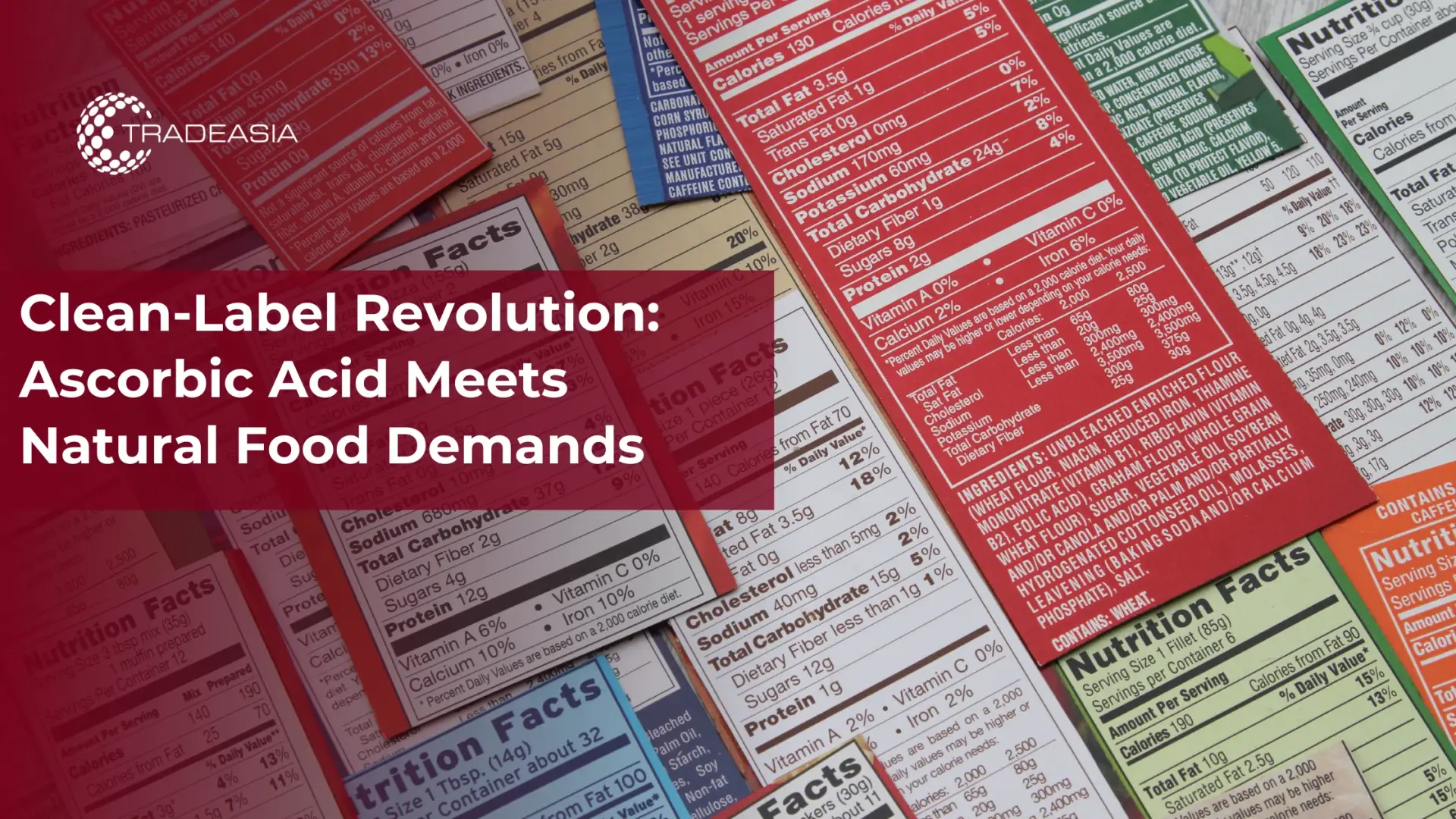
Today's consumers want processed foods with short, recognizable ingredient lists they can understand at a glance—this movement is called "clean label." Ascorbic acid fits perfectly because it's just vitamin C, a familiar nutrient rather than a mysterious chemical code. Shoppers scan labels for words like "natural" or "vitamin C" instead of numbers like E300, leading food companies to swap out artificial preservatives. Market reports show clean-label products growing 15% each year globally, with ascorbic acid taking 25% of the natural preservative spots since it preserves food freshness while adding a health boost. Companies reformulate popular items like ready meals and snacks to drop synthetic options like benzoates or sulfites, directly responding to surveys where 70% of buyers say they avoid unfamiliar additives.
How Ascorbic Acid Fits the Clean-Label Puzzle
Ascorbic acid works naturally by blocking oxygen from causing spoilage—like keeping sliced apples from turning brown or guacamole from graying—without needing harsh chemicals. On labels, it reads simply as "vitamin C (ascorbic acid)," which builds instant trust since most people already take it as a supplement. In everyday processed foods, it strengthens bakery dough so bread rises better and stays soft longer, while also acting as an antioxidant to cut food waste by 20% through extended shelf life. Brands often highlight it front-and-center on packaging to show they're delivering both preservation and nutrition, appealing to health-conscious families who want functional foods without compromises.
Key Processed Food Categories Leading Adoption
Ready-to-eat meals add 100-200 mg/kg to keep colorful vegetable mixes fresh for 6 months at room temperature, making them ideal for busy households. Snack bars mix it with natural tocopherols (vitamin E) to preserve nut flavors and crunch without staleness. Fruit pouches and baby foods use its proven safety record (GRAS status from FDA) for parent-approved natural appeal, where organic versions now grow 22% faster than average. Bakery fillings like fruit pies stay vibrant and mold-free longer, reducing store returns by 15% and helping smaller brands compete.
Regulatory Support and Formulation Shifts
Health authorities like the FDA and EFSA fully approve ascorbic acid with no strict limits in most food types, making it an easy swap for clean labels without paperwork headaches. Food makers increasingly choose pure ascorbic over similar options like sodium erythorbate because "vitamin C" looks cleaner on lists, even though they work alike. Now, 30% comes from fermented natural processes instead of chemical synthesis, letting companies charge 12% more while earning eco-friendly certifications that shoppers notice.
Market Projections Fuel Investment
The clean-label processed food sector reaches $500 billion by 2028, pulling ascorbic acid demand up 18% yearly as the top natural choice over alternatives—food companies invest heavily knowing it meets both preservation needs and consumer expectations.
Sources:
Leave a Comment