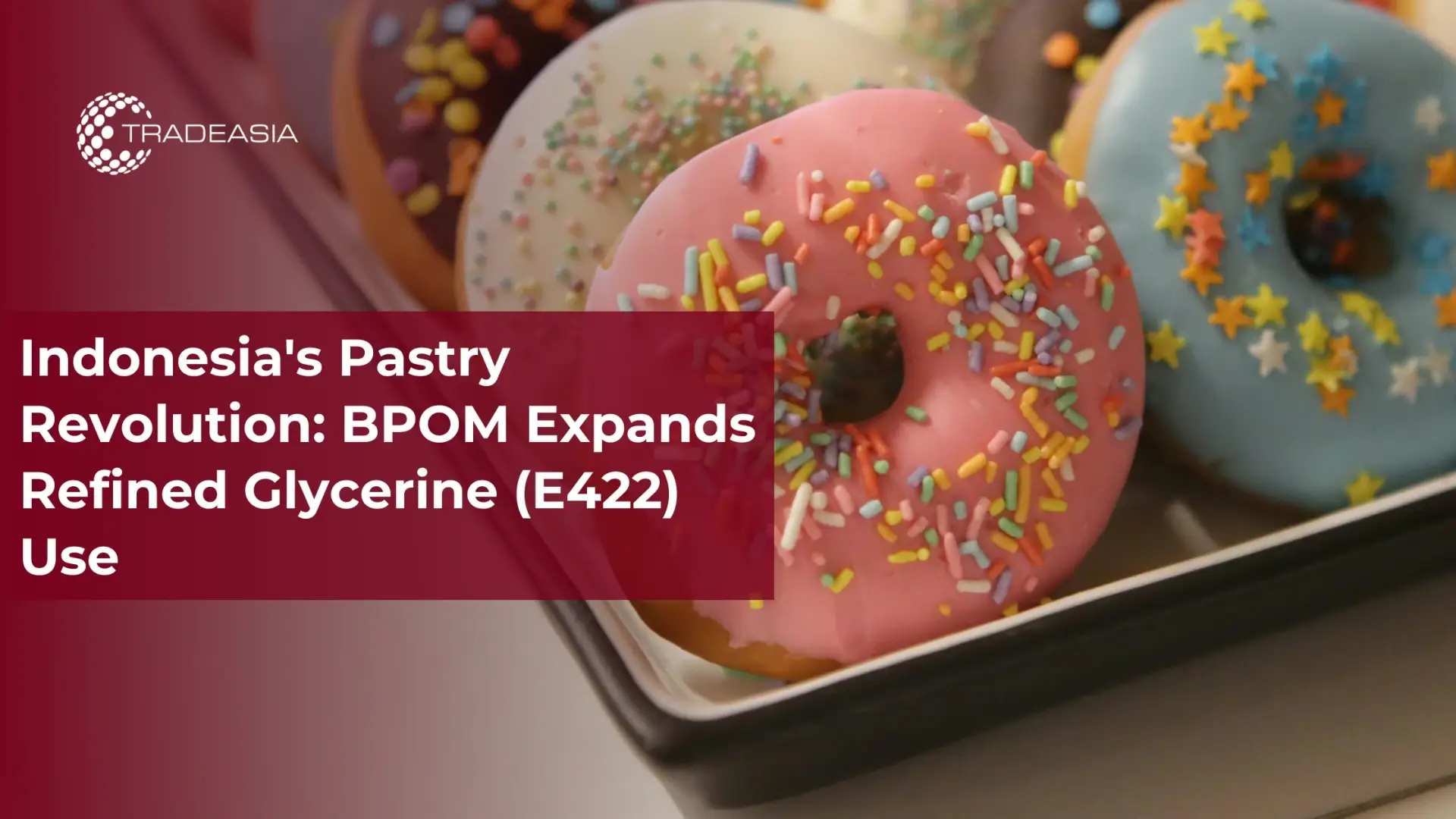
Indonesia's food authority BPOM has made waves in December 2025 by expanding the approved use of refined glycerine (E422) in pastries, opening doors for bakers to create softer, fresher treats that stay delicious longer. Derived from sustainable vegetable oils like palm or coconut, this versatile humectant now allows higher inclusion levels across a wider range of bakery products, perfectly suited to Indonesia's humid climate and love for indulgent sweets. This change promises to elevate everything from traditional kue to modern donuts, helping manufacturers and consumers alike.
Understanding the Regulatory Shift
The new BPOM decree marks a significant evolution in food additive guidelines, raising the maximum permitted level of E422 from a restrictive 2% to a more flexible 5% in pastry doughs, batters, fillings, glazes, and icings. This aligns Indonesia's standards closely with international benchmarks like the Codex Alimentarius, EU regulations, and FDA approvals, making local products more competitive on global shelves. Previously, bakers faced limitations in high-moisture applications, often leading to dry crumbs or unstable creams, but now refined glycerine can play a starring role in diverse categories monitored by BPOM.
What drives this shift? Growing consumer demand for preservative-free freshness in a tropical market where humidity accelerates staling, combined with glycerine's proven safety profile—it's naturally occurring, vegan-friendly, and Halal-certified when sourced responsibly. Producers must still adhere to GMP practices, labeling requirements (declaring E422 clearly), and residue testing, but the expanded scope simplifies recipe development without compromising safety. For Indonesian manufacturers exporting to the Middle East or Europe, this harmonization eases compliance, turning a local win into a global advantage.
Production Advantages for Manufacturers
For bakery producers, refined glycerine's expanded approval translates to smoother operations and real cost savings. Its complete miscibility with water—mixing seamlessly in any proportion—eliminates the need for pre-heating or special equipment, slashing mixing times by up to 15-20% in continuous production lines. This is a game-changer for high-volume factories churning out martabak, bolu, or donuts, where every minute counts.
Heat stability shines during baking at 160-200°C, preventing breakdown or off-flavors, while synergy with gums like xanthan or guar boosts dough rheology for 25-30% better freeze-thaw cycles in frozen pastry doughs—ideal for HORECA supply chains. Sourcing USP/EP-grade glycerine in 250kg IBCs or 25kg bags ensures consistent flowability and purity (99.5%+), reducing downtime from clumping. Non-GMO and RSPO-certified options support sustainability claims, appealing to eco-conscious buyers and streamlining Halal certification. Overall, manufacturers see faster scale-up, lower waste from failed batches, and flexibility to innovate fusion pastries like matcha eclairs or red velvet kue without reformulation headaches.
Formulation and Shelf-Life Benefits
In formulations, refined glycerine acts as a moisture magnet, binding water molecules to keep pastries soft and pliable far beyond traditional limits. At 1-4% inclusion (flour basis), it reduces staling by 40-50% by slowing starch retrogradation—the process that turns fresh cakes crumbly. Donut interiors stay chewy, kue lapis layers resist drying, and cream fillings in eclairs hold shape without weeping, even after 7-10 days at ambient temperatures (25-35°C).
This humectant regulates water activity (aw) to safe levels below 0.85, naturally inhibiting mold and bacteria without chemical preservatives, perfect for Indonesia's warm conditions. In fruit-based glazes or pineapple tarts, it prevents syneresis (liquid separation), while in sponge cakes, it enhances tenderness rivaling European brioche. Bakers achieve glossy finishes on donuts and stable whipped toppings, all with clean-label simplicity—no gritty textures or aftertastes. Heat tolerance up to 180°C baking ensures even distribution, making it ideal for industrial ovens or home-style batches alike.
Consumer Benefits and Market Appeal
From the consumer side, this approval means more enjoyable, accessible pastries that taste fresher longer, fitting busy Indonesian lifestyles. Families get moist onde-onde or getuk that doesn't harden overnight, street vendors extend selling hours for klepon without quality loss, and premium cafes offer croissants with authentic flakiness days after purchase. Health-conscious eaters appreciate the natural humectancy without added sugars or artificial stabilizers, supporting "fresh from the oven" experiences at home.
In a market where 70% of Indonesians snack on pastries daily, extended shelf life cuts food waste—vital for households and retailers—while enabling wider distribution from warungs to supermarkets. Premium pricing for "longer-fresh" labels becomes viable, boosting brand loyalty as shoppers notice the difference in texture and taste. For diabetics or low-sugar seekers, glycerine's zero-calorie profile pairs well with reduced-sugar recipes, broadening appeal in wellness trends.
Leave a Comment