The global chemical industry is undergoing a profound transformation, driven by the urgent need for sustainability. This "Green Chemistry" revolution is not just changing how products are packaged, but how the molecules themselves are made. In the competitive market of food antioxidants, Erythorbic Acid is emerging as a frontrunner, largely due to its production method. Unlike many synthetic preservatives derived from petrochemical processes, Erythorbic Acid is primarily produced through microbial fermentation. This bio-based manufacturing advantage is becoming a key sales driver, appealing to multinational food corporations that are under immense pressure to lower their Scope 3 carbon emissions.
The Move from Synthesis to Bio-Fermentation
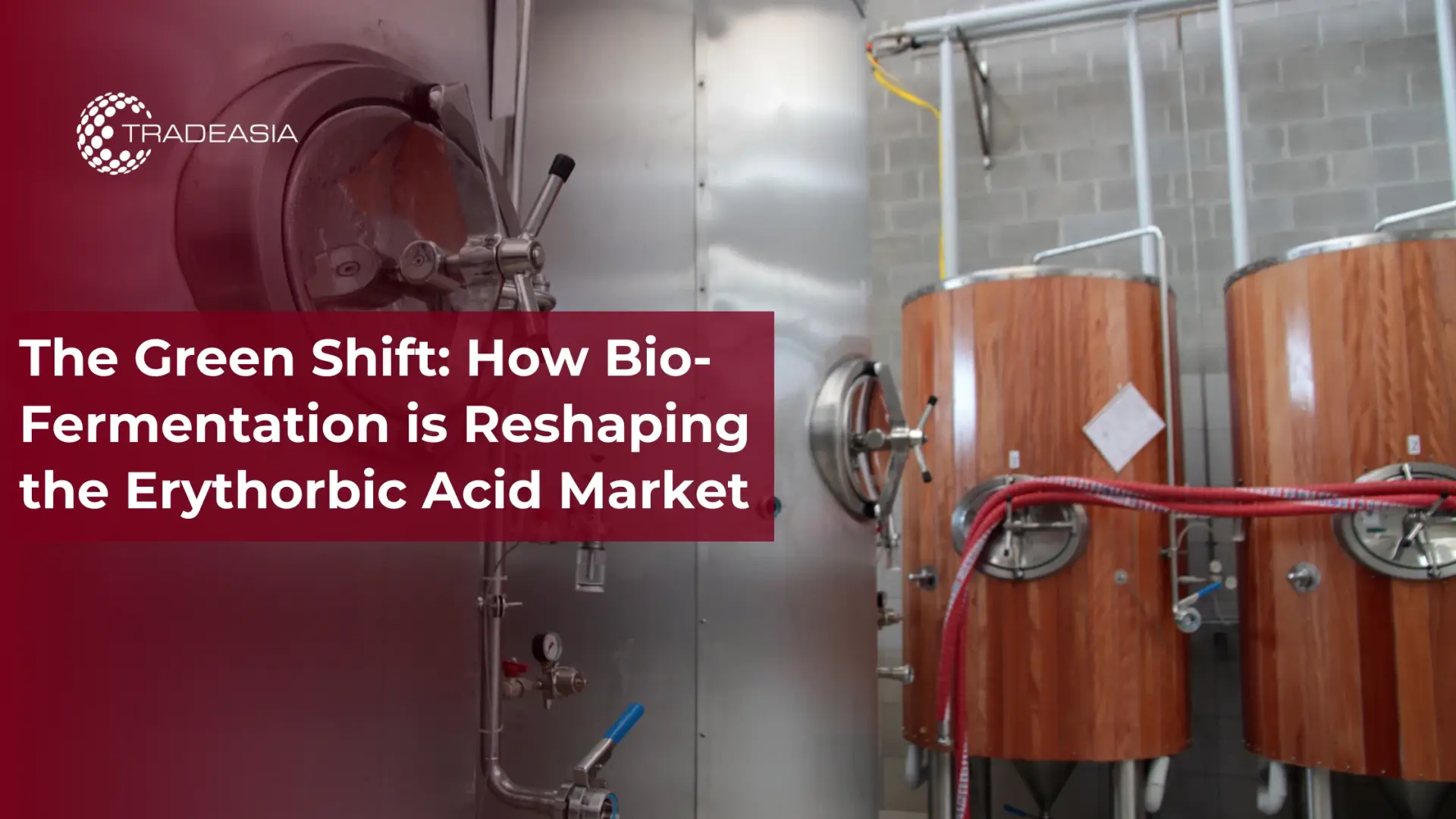
Historically, many food additives were produced using energy-intensive chemical synthesis, often involving harsh catalysts and generating significant hazardous waste. However, the modern production of Erythorbic Acid utilizes a far cleaner route: the fermentation of renewable carbohydrates (typically corn starch or glucose) by specific strains of bacteria such as Pseudomonas or Penicillium. This biological process occurs at lower temperatures and pressures compared to traditional chemical synthesis, resulting in substantially lower energy consumption. For manufacturers, sourcing an ingredient made via fermentation is an immediate sustainability win. It allows them to claim that their supply chain supports bio-economy principles rather than fossil-fuel dependency. As industrial fermentation technology becomes more efficient, the yield of Erythorbic Acid per batch has increased, making "green" production not only ethical but also the most economically viable method, further boosting its market share against synthetic alternatives.
Reducing Food Waste: The Ultimate Sustainability Metric
Sustainability in the food industry is not just about how an ingredient is made; it is about what it does. Food waste is responsible for roughly 8-10% of global greenhouse gas emissions. Erythorbic Acid plays a critical role in the "Circular Economy" of food by significantly extending shelf life. As a potent stereoisomer of Vitamin C, it sacrifices itself to oxygen more readily than the food product, effectively delaying browning in fruits, rancidity in meats, and flavor degradation in beverages. By integrating Erythorbic Acid, manufacturers can ensure that their products survive complex, often slow, global supply chains without spoiling. This reduction in spoilage rates directly translates to less wasted energy, water, and agricultural input. Distributor sales data indicates that brands with aggressive "Zero Waste" targets are increasingly specifying Erythorbic Acid as their primary antioxidant to ensure their products stay fresh from factory to fork.
Water Stewardship and Waste Management in Production
Another trend boosting the sales of Erythorbic Acid is the improvement in downstream processing. Modern manufacturing facilities for Erythorbic Acid are adopting "Zero Liquid Discharge" (ZLD) technologies. In the fermentation process, the broth must be purified to extract the acid. Historically, this used large amounts of water. However, new trends in sustainable manufacturing have introduced membrane filtration and crystallization techniques that recycle up to 90% of the process water. Furthermore, the biomass byproduct left over from fermentation (the spent bacteria and corn residue) is increasingly being repurposed as animal feed or soil fertilizer, rather than ending up in a landfill. For procurement officers who audit their suppliers based on environmental impact, these closed-loop production cycles make Erythorbic Acid a "safe" choice, insulating the buyer from reputational risks associated with industrial pollution.
The "Clean Label" Synergy
While "Clean Label" usually refers to consumer perception, it is deeply tied to sustainable manufacturing. Consumers perceive ingredients derived from natural fermentation as "cleaner" and more sustainable than those synthesized in a lab. Although Erythorbic Acid is a chemical compound, its origin story—born from corn and bacteria—allows it to sit comfortably in the "nature-identical" category. This distinction is crucial for the rising plant-based meat sector. Manufacturers of plant-based burgers and sausages need antioxidants to preserve the red color of their products (mimicking heme). Using a bio-fermented preservative like Erythorbic Acid aligns perfectly with the plant-based ethos of environmental stewardship. Consequently, sales of Erythorbic Acid to the alternative protein sector are projected to grow at a double-digit CAGR, fueled entirely by the sustainable alignment of the ingredient's source and the final product's mission.
Sources
Leave a Comment