Consumers Demand Sweeter Snacks Without Sugar
Shoppers in 2025 crave low-sugar snacks that still taste indulgent, driving food makers to reformulate bars, chips, and crackers with glycine as a natural flavor enhancer that delivers mild sweetness at 0.1-0.5% usage levels. Glycine activates sweet taste receptors while balancing bitterness from stevia or monk fruit, allowing 30-50% sugar cuts without "diet" aftertaste—perfect for protein bars dropping from 15g to 5g sugar per serving. Global glycine demand hits USD 1.4 billion this year, with food applications growing 6.8% CAGR as clean-label trends favor amino acids over artificial sweeteners. Brands reformulate to meet "no added sugar" claims while boosting umami for savory-sweet hybrids like chili-lime crisps.
Glycine's Unique Sweet-Masking Magic
Unlike sucralose or aspartame, glycine provides subtle sweetness (1/4th sucrose strength) that rounds salty or bitter notes in low-sugar formulations, enhancing perceived flavor intensity by 15-20% in sensory panels. In chocolate-coated nuts or yogurt clusters, 200-400 mg/kg glycine counters erythritol's cooling effect and monk fruit's fruity tang, creating balanced mouthfeel without calories. Its neutral profile lets natural flavors shine—coconut chips taste tropical, not chemical—while boosting saliva flow for lingering taste release. Food scientists pair it with nucleotides for 25% salt reduction in snack seasonings, hitting dual health goals.
Snack Categories Leading the Shift
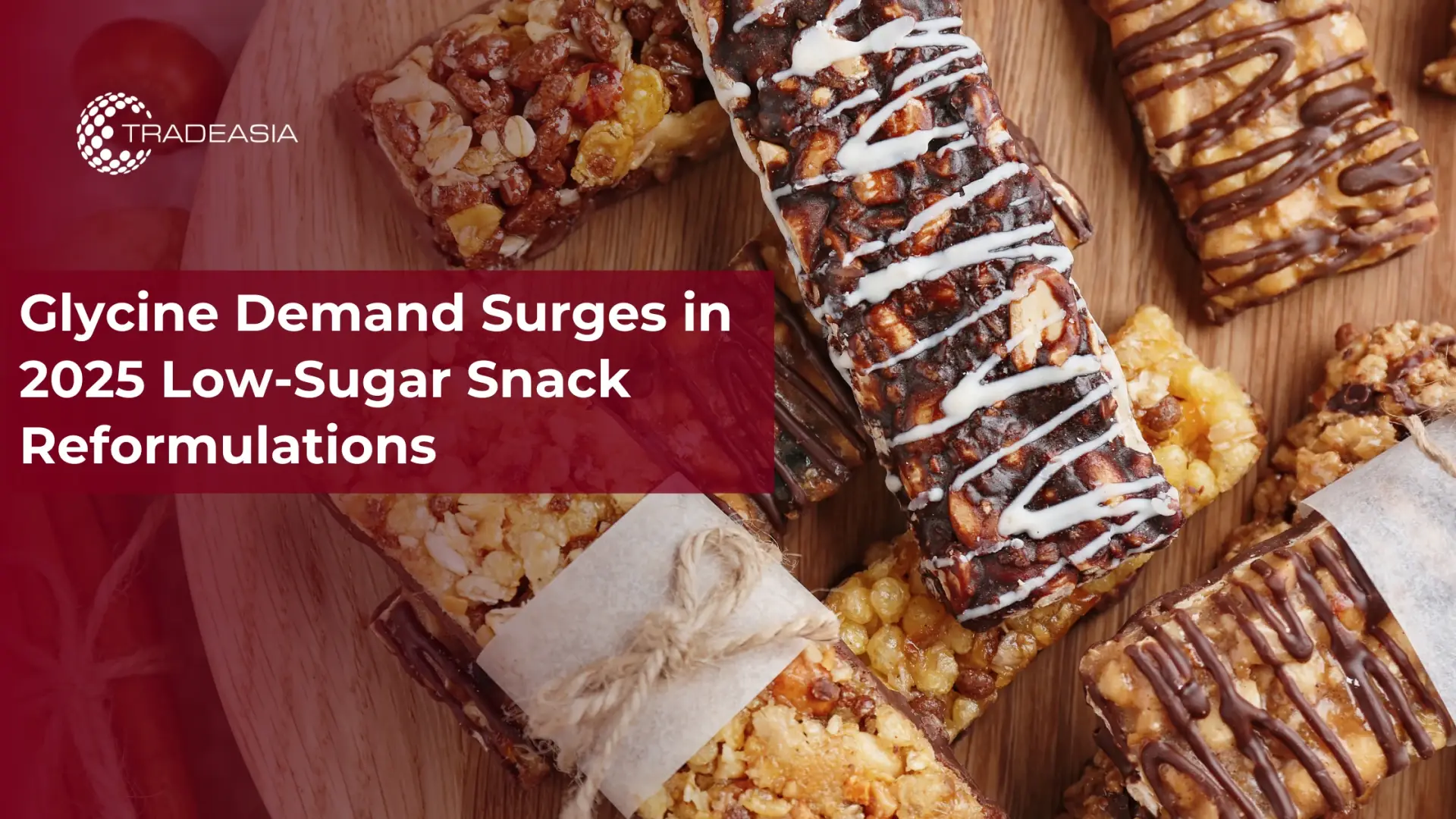
Protein and Energy Bars: 300 mg/kg glycine masks pea protein beany notes in 5g-sugar bars, growing 12% as gym-goers seek functional treats.
Baked Chips/Crackers: 250 mg/kg enhances herb flavors in air-fried versions cutting sugar 40%.
Fruit Snacks/Gummies: 400 mg/kg balances pectin gels with 70% less sugar, mimicking full-sugar chew. Glycine survives extrusion at 140°C and shelf storage without degradation.
Supply Challenges Amid Boom
Glycine prices climbed to USD 1,995/MT in Q1 2025 from raw material shortages, squeezing margins as snack reformulations consume 15% more volume. Food-grade purity (99%+) commands 20% premiums, but long-term contracts stabilize costs for major players.
Regulatory Green Lights and Market Projections
GRAS status and EU Novel Food approval support unlimited food use; glycine lists simply as "glycine" for clean labels. Low-sugar snack segment reaches USD 25B by 2030, pulling glycine demand up 18% yearly as Asia-Pacific (China/India) adopts Western trends.
Sources:
Leave a Comment