Government Targets Drive Massive Seaweed Growth
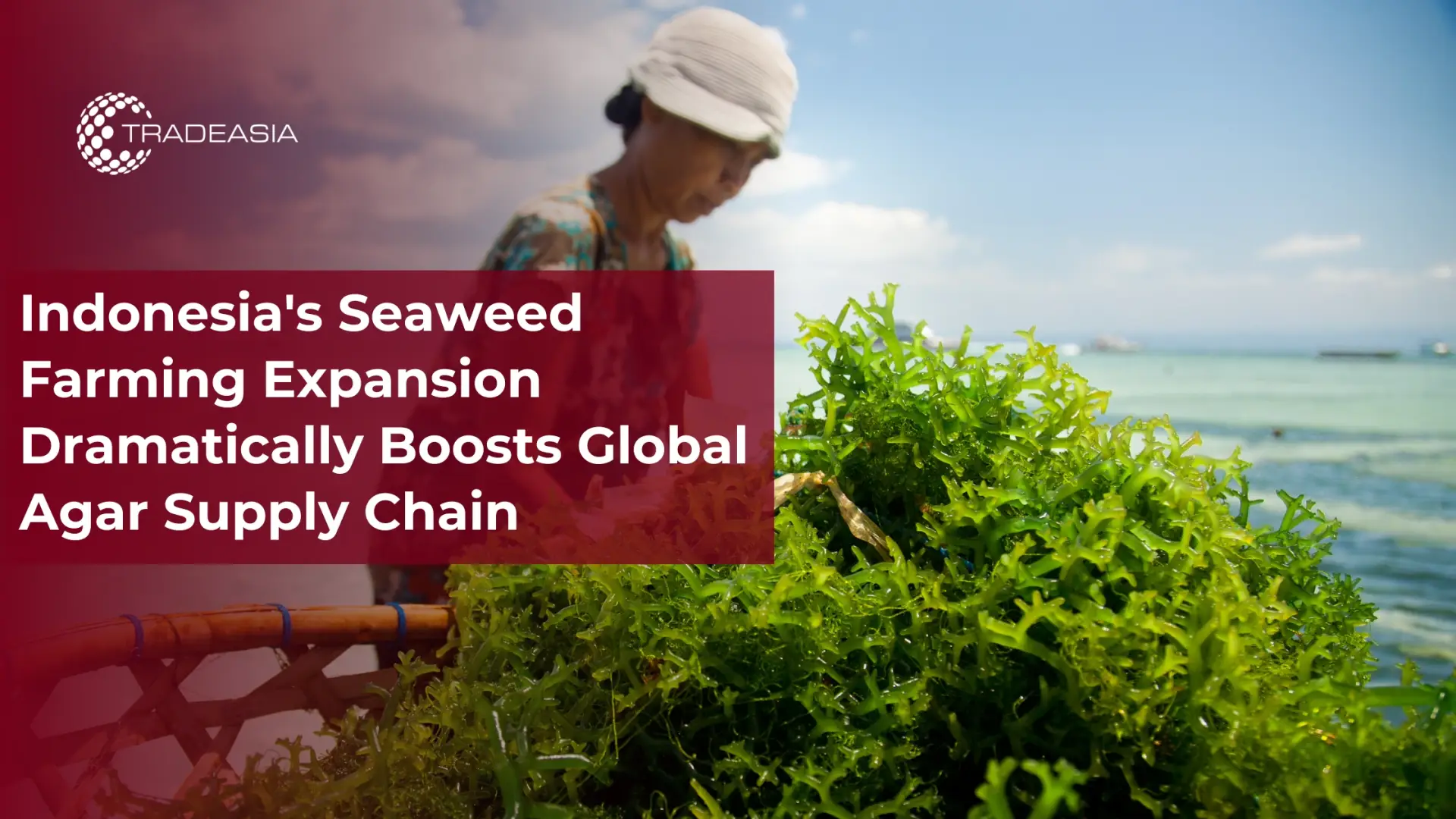
Indonesia, already the world's second-largest seaweed producer, is aggressively expanding farming through national programs aiming for 12.3 million tons annually by 2025, focusing on agar-rich red seaweeds like Gracilaria and Gelidium that grow abundantly in its tropical waters. The Ministry of Marine Affairs and Fisheries (KKP) creates "seaweed villages" in regions like Sulawesi, Bali, and Nusa Tenggara, training over 720,000 small farmers in modern techniques such as long-line cultivation and IoT monitoring, which boost harvests by 30% per hectare without harming reefs. This surge directly increases raw material for agar—a natural gelling agent extracted from seaweed cell walls—meeting exploding global demand from food, labs, and pharmaceuticals, where Indonesia now supplies 35% of the world's seaweed biomass.
How Agar Gets Made from Indonesia's Harvests
Agar production starts with harvesting mature seaweed, then soaking it in alkaline solutions (like lime water) at 85-100°C to break down cell walls and release agar polymers, followed by filtering, gelation via freeze-thaw cycles, and hot-air drying into brittle strips or powder. Indonesia's coastal farms produce Gracilaria with superior gel strength (600-900 g/cm² bloom), perfect for high-quality food-grade agar that sets firmly yet melts smoothly at 85°C—ideal for desserts replacing gelatin. Expanded farming cuts transport distances by 50%, slashing costs from remote drying yards and enabling factories in Lombok and South Sulawesi to hit 99% purity consistently, unlike variable imports from Chile or Morocco.
Food Makers Benefit from Reliable Supply
Vegan Desserts and Jellies: Just 1-2% agar creates heat-stable panna cotta or fruit gels that hold up in tropical shipping, capturing halal and plant-based markets growing 15% yearly.
Microbiology Labs: Bacteriological agar needs crystal clarity for petri dishes—Indonesia's scale drops prices 15% below synthetics.
Bakery and Confectionery: 0.5% agar forms glossy fruit glazes resistant to humidity in Indonesia's climate. Seaweed exports hit USD 264 million Jan-Oct 2025, with agar processors eyeing USD 8 million deals at FIE Paris 2025.
Sustainability Powers the Expansion
Seaweed farming needs no freshwater, fertilizers, or land—it absorbs CO2 (up to 20 tons per hectare yearly) and naturally filters water while restoring coral ecosystems, aligning with KKP's blue economy plan covering 95,000 km of coastline. Farmers earn USD 500-800 monthly from 0.5-hectare plots, lifting rural incomes as production reached 8.2 million tons by September 2025.
Stabilizing Global Agar Markets
Indonesia's output keeps agar prices steady at USD 18-22/kg through 2030, outpacing competitors strained by labor costs and weather, while blockchain traceability satisfies EU import rules for sustainable sourcing.
Leave a Comment