17 November 2025
What is Potassium Chloride and Why is it Used in Food?
Food Additives
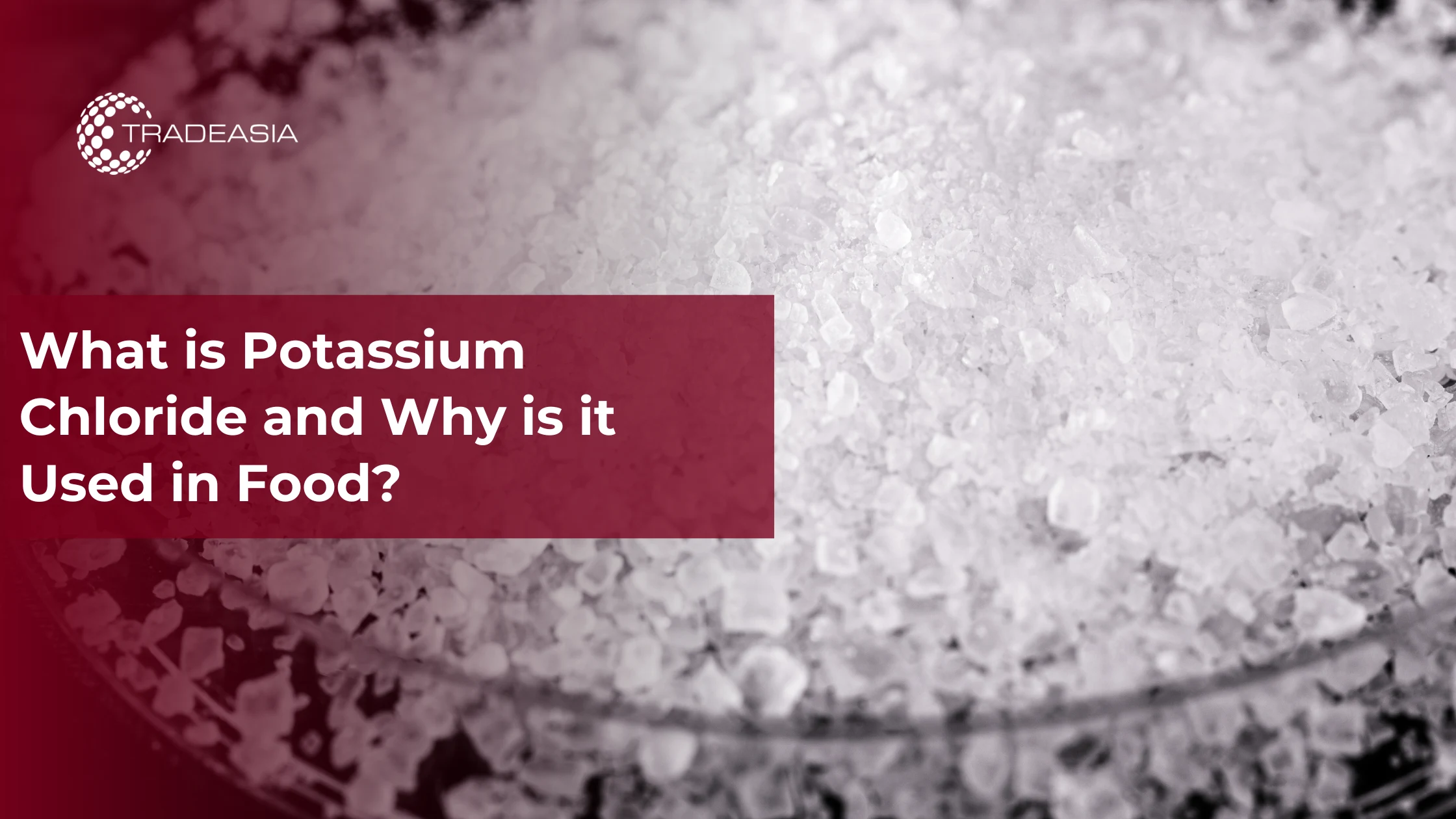
Table of Content
- Role of Potassium Chloride in Food
- Health Benefits and Considerations
- Other Applications and Future Trends
17 November 2025
Food Additives
Potassium chloride (KCl) is a naturally occurring inorganic compound consisting of potassium and chloride ions. It appears as white or colorless crystals and is soluble in water with a salty taste. Traditionally, it was sourced from ancient sea beds and plant ashes, and today it is produced through mining and chemical processes. Beyond its historical use as a fertilizer ingredient, potassium chloride has become a versatile compound used in medical, agricultural, and food industries.
In the food industry, potassium chloride is primarily used for two main purposes: as a salt replacer and to enrich foods with potassium. Its salty flavor allows it to substitute sodium chloride partially or fully in many food products, which is crucial for reducing dietary sodium intake — a major factor in hypertension and cardiovascular diseases. Besides flavor enhancement, potassium chloride helps maintain food texture, stability, and shelf-life. Products containing potassium chloride include processed meats, snack foods, cereals, infant formulas, soups, sauces, and electrolyte drinks.
Potassium chloride contributes to heart health by aiding in the reduction of sodium intake, thereby helping to manage blood pressure. Potassium itself is essential for normal muscle function, nerve transmission, and maintaining electrolyte balance. The World Health Organization recommends lowering sodium consumption and supports the use of potassium-based salt substitutes. However, potassium chloride’s taste can sometimes be perceived as bitter or metallic, and its use must be balanced carefully to maintain food palatability. Additionally, individuals with kidney issues should use potassium-enriched products cautiously due to risks of high potassium levels.
Beyond food, potassium chloride remains a critical component in fertilizers to support plant growth and agriculture. In medicine, it is used to treat low potassium levels in the blood. Emerging research highlights its potential in energy storage technologies, including advanced batteries. The compound’s multifaceted roles emphasize its importance in both current applications and future innovations in health, food, agriculture, and sustainable technologies.
We're committed to your privacy. Tradeasia uses the information you provide to us to contact you about our relevant content, products, and services. For more information, check out our privacy policy.
Leave a Comment