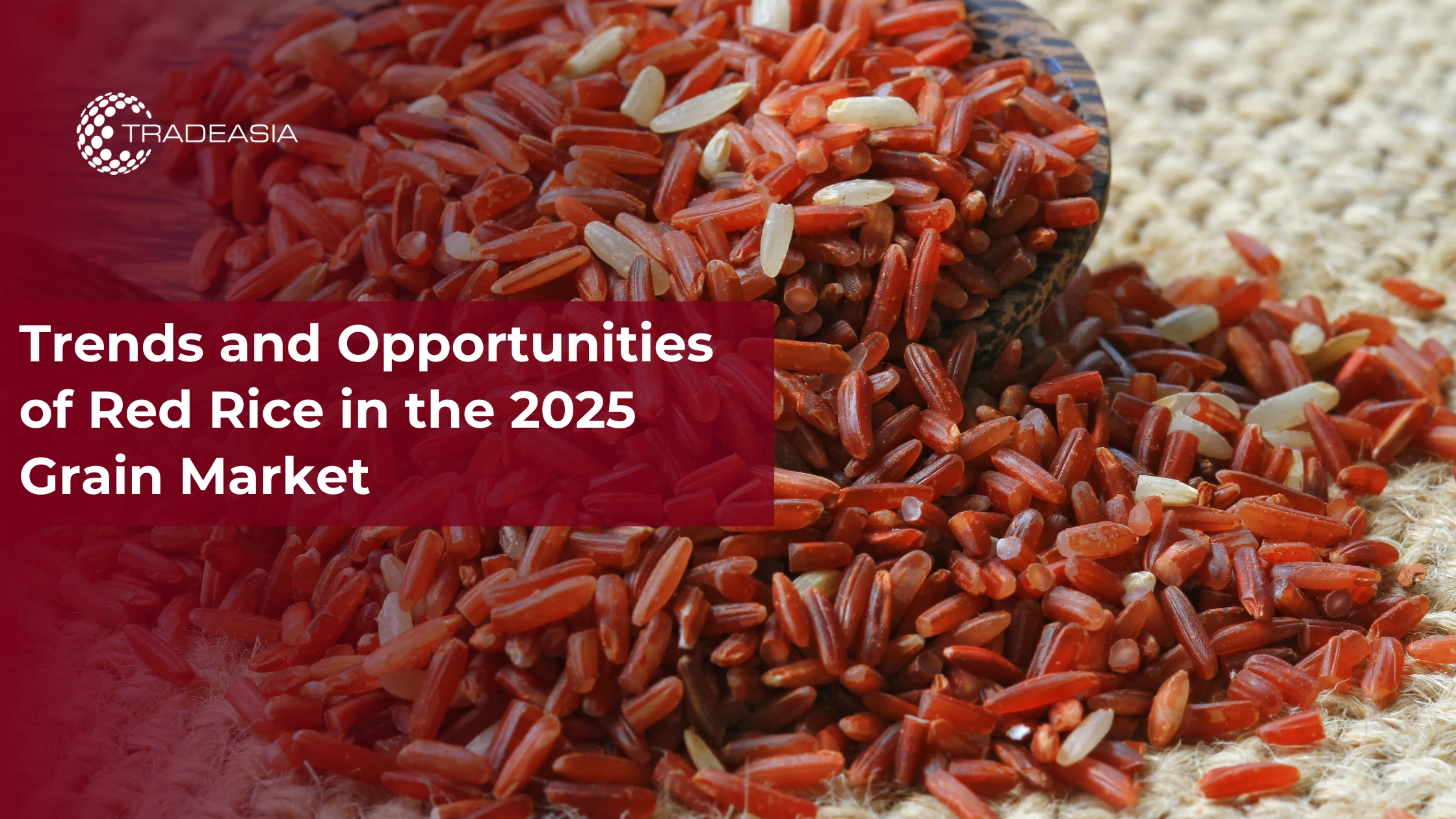
Red rice, recognized for its distinct reddish hue and rich nutritional profile, is steadily gaining prominence in the global grain market by 2025. As consumer preferences evolve towards healthier and more natural food options, red rice is emerging as a sought-after variety, offering exciting opportunities for producers, traders, and manufacturers alike. This article explores the current market growth and underlying trends shaping red rice’s position in the global food industry.
Market Size and Growth Trajectory
In 2025, the global red rice market is valued at approximately $3.64 billion, with projected consistent growth driven by rising consumer interest in nutrient-dense grains. According to recent analyses, the market is expanding at a CAGR of around 3.9%, expected to reach over $5.1 billion by 2034. North America currently stands as the largest market, reflecting heightened health awareness and demand for specialty grains.
The Asia-Pacific region, led by countries like India, Thailand, and China, remains a critical contributor both in production and consumption of red rice varieties. The Middle East, Europe, and Latin America are also witnessing an uptick in demand, influenced by shifting dietary habits and the incorporation of functional grains into traditional cuisines.
Key Drivers Behind Market Expansion
Consumer focus on health and wellness is a primary driver for red rice’s growing adoption. Unlike polished white rice, red rice contains higher levels of dietary fiber, antioxidants such as anthocyanins, and essential minerals, attributing to benefits like improved digestion, reduced inflammation, and enhanced metabolic health.
Natural and organic food trends further catalyze demand. With an increasing number of consumers preferring clean-label, non-GMO, and organic products, red rice fits well within this narrative. The grain’s perceived authenticity and traditional cultivation methods add significant appeal in discerning markets.
Technological Advances and Product Innovations
Technological improvements in cultivation and processing help maintain quality and boost supply chain efficiencies. Innovations in packaging, such as resealable and portion-controlled formats, enhance product freshness and convenience, addressing modern consumer lifestyles.
Manufacturers leverage red rice in diverse product lines including gluten-free foods, snacks, cereals, and health supplements, broadening its application scope. This diversification helps capture multiple consumer segments while reinforcing red rice’s image as a versatile and functional ingredient.
Market Challenges and Strategic Outlook
While red rice’s growth prospects are positive, challenges such as yield variability, supply consistency, and price sensitivity require ongoing attention. Market players focus on sustainable farming practices, improved logistics, and transparent sourcing to mitigate these issues.
Trade policies, climate impacts, and evolving consumer preferences also shape the competitive landscape, urging stakeholders to remain agile and informed.
Source:
Leave a Comment