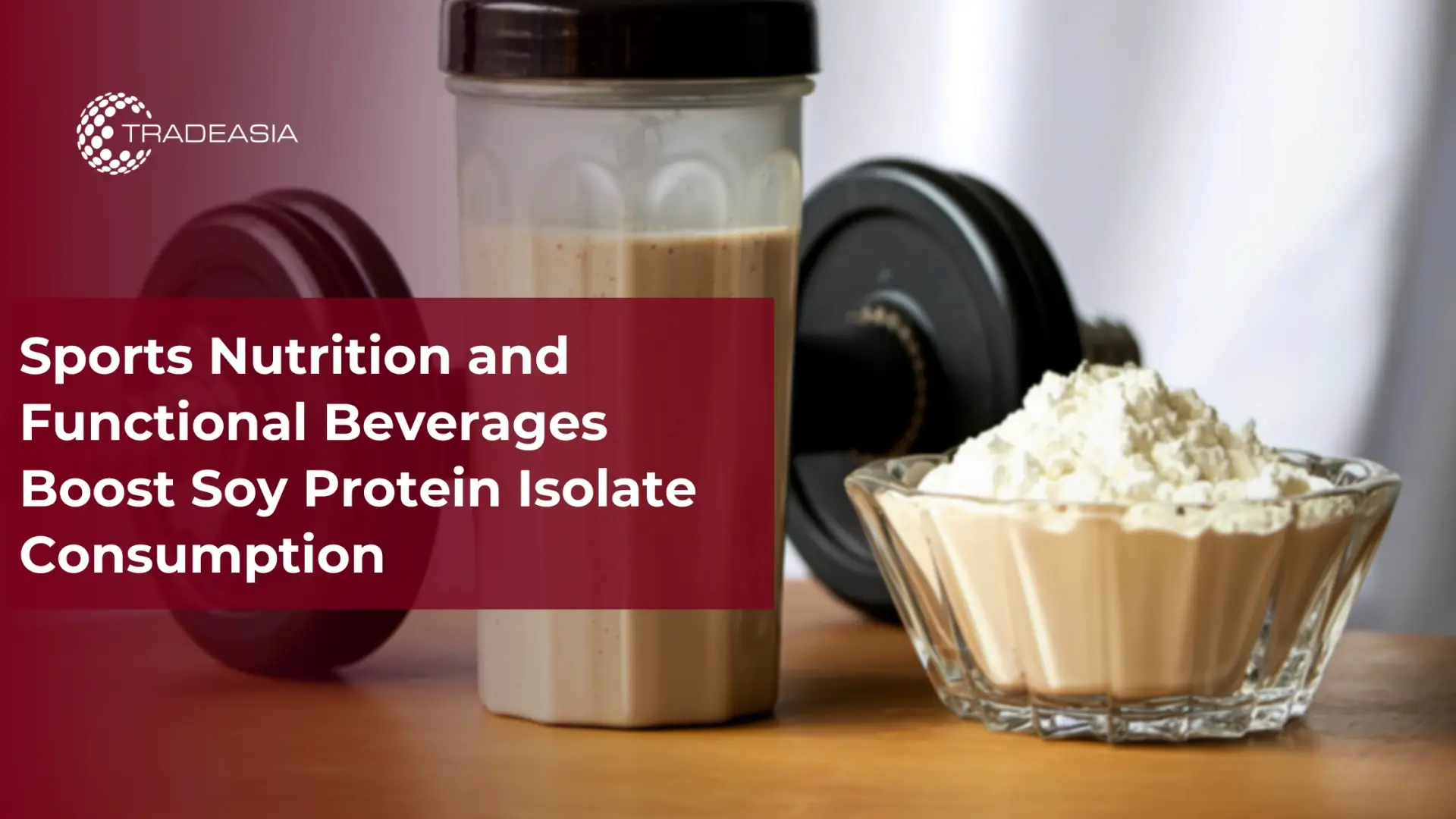
Soy Protein Isolate (SPI) continues to gain traction across the global food and nutrition industry as demand for sports nutrition and functional beverages accelerates. Driven by changing lifestyle patterns, rising health awareness, and the growing acceptance of plant-based nutrition, SPI has emerged as a key protein ingredient supporting product innovation in protein powders, ready-to-drink (RTD) beverages, and nutrition bars.
Active Lifestyles Expand Everyday Protein Consumption
The expansion of active and wellness-oriented lifestyles has significantly broadened the consumer base for protein-enriched products. Protein intake is no longer limited to professional athletes; instead, urban consumers—including office workers, fitness enthusiasts, and younger demographics—are increasingly incorporating protein supplements and functional foods into their daily routines.
This shift has created sustained demand for protein sources that offer nutritional completeness, formulation flexibility, and cost efficiency. Soy Protein Isolate meets these requirements effectively, supporting its growing use across mainstream sports nutrition and functional food applications.
Complete Amino Acid Profile Strengthens Nutritional Positioning
One of SPI’s key advantages lies in its high protein concentration, typically around 90%, combined with a complete essential amino acid profile. This nutritional composition allows manufacturers to position products with claims related to muscle maintenance, recovery support, and high-protein content, which are central to sports and performance nutrition.
Compared with other plant-based proteins, SPI offers well-established digestibility and functionality, enabling manufacturers to deliver consistent nutritional performance while responding to consumer demand for non-dairy and lactose-free protein solutions.
Protein Powders and Blends Drive Volume Growth
In protein powder formulations, SPI is widely used both as a standalone protein and as part of blended systems with pea or rice protein. Blending strategies help optimize taste, texture, and amino acid balance while reducing reliance on whey protein, which faces price volatility and supply constraints in some markets.
For manufacturers targeting price-sensitive regions or plant-forward consumers, SPI provides a stable and scalable protein base that supports competitive product pricing without compromising nutritional value.
RTD Functional Beverages Expand Technical Requirements
The rapid growth of ready-to-drink functional beverages has further strengthened demand for SPI with improved solubility and heat stability. Advances in processing technologies have enhanced SPI’s dispersibility, enabling its use in high-protein RTD shakes, meal replacement drinks, and fortified beverages designed for on-the-go consumption.
These functional improvements are particularly important for products requiring long shelf life and consistent quality throughout modern retail and cold-chain distribution systems.
Nutrition Bars and Protein Snacks Benefit from Structural Performance
Beyond beverages and powders, SPI plays a critical role in nutrition bars and protein snacks by increasing protein density while contributing to structure and chewiness. Its functionality allows manufacturers to maintain desirable texture without significantly increasing sugar or fat content, aligning with better-for-you product positioning.
This versatility supports SPI’s inclusion in a wide range of snack formats that cater to busy, health-conscious consumers.
Plant-Based and Flexitarian Trends Reinforce Adoption
Rising interest in plant-based and flexitarian diets continues to reinforce SPI demand within the sports nutrition category. Many consumers seek to reduce animal protein intake while maintaining performance-oriented nutrition, placing SPI in a strategic position due to its long-standing regulatory acceptance and proven application history.
As sustainability and dietary diversity become more influential purchasing factors, SPI offers manufacturers a familiar, reliable solution for plant-based protein innovation.
Outlook: Sustained Growth Across Emerging and Mature Markets
Looking ahead, Soy Protein Isolate is expected to remain a core ingredient in sports nutrition and functional beverage development. Strong demand growth in Asia-Pacific, the Middle East, and Latin America—supported by urbanization, rising disposable incomes, and expanding fitness culture—will continue to drive consumption.
With its combination of nutritional completeness, functional performance, and cost efficiency, SPI is well positioned to maintain its competitiveness as global demand for accessible, plant-based protein solutions continues to expand.
Leave a Comment