15 December 2025
Wheatgrass Powder Shows Promise in New Blood Sugar Studies
Food Additives
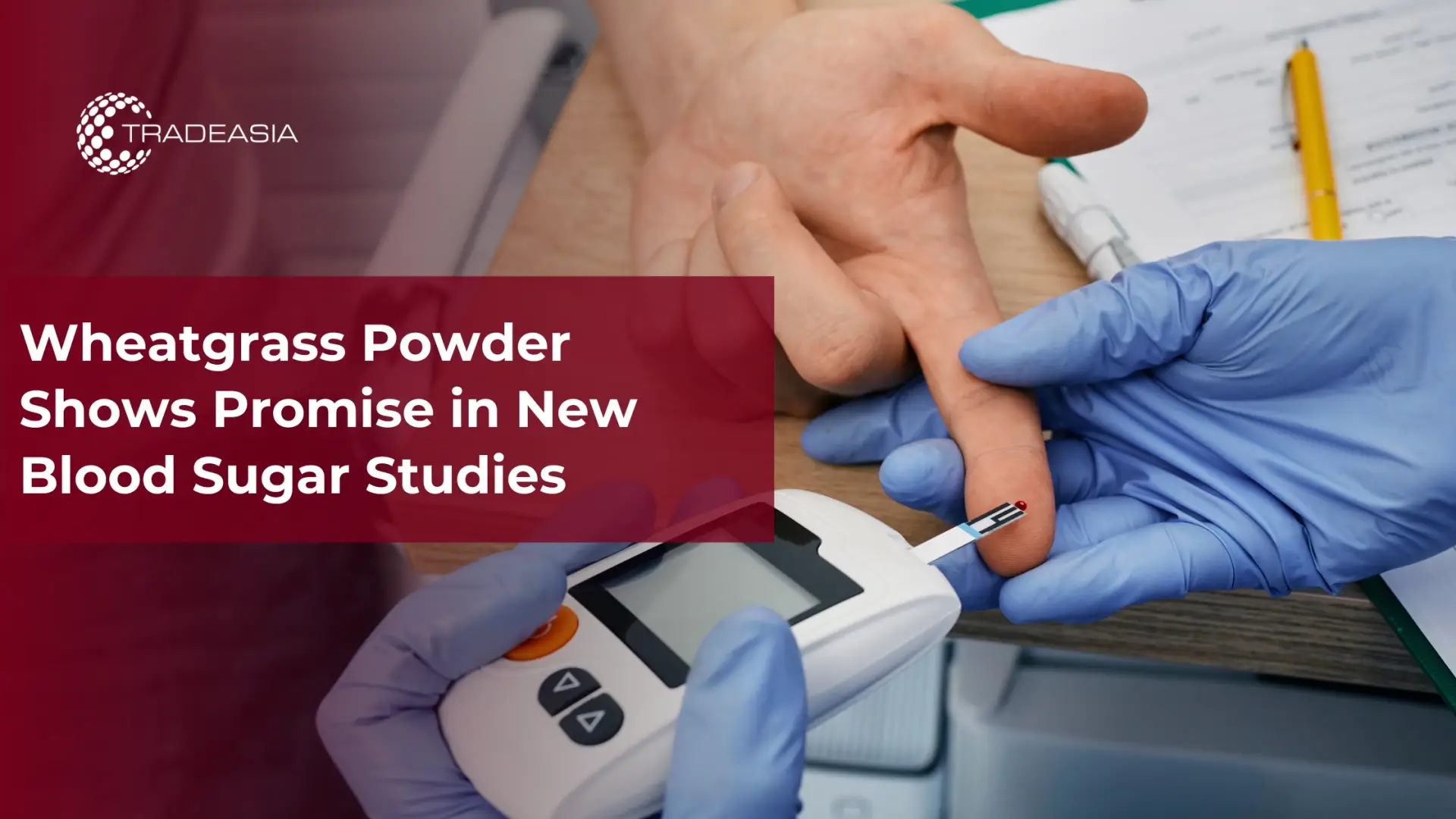
Table of Content
- How Wheatgrass Compounds May Support Glycemic Control
- Early Human Data and Practical Considerations
15 December 2025
Food Additives
Emerging research in 2023–2025 strengthens the case for wheatgrass powder as a supportive option for blood sugar management, especially in prediabetes and type 2 diabetes. Animal and early human studies report improved fasting glucose, better insulin activity, and favorable changes in oxidative stress markers when wheatgrass is added alongside standard care. Scientists link these effects mainly to its rich flavonoid and phenolic profile, which appears to enhance insulin signaling and protect pancreatic beta cells.
How Wheatgrass Compounds May Support Glycemic Control
Recent reviews describe wheatgrass (Triticum aestivum) as a “functional microgreen” containing phenolics, flavonoids, alkaloids, tannins, saponins, and natural fiber, all associated with lower blood glucose and improved insulin sensitivity. In diabetic rodent models, wheatgrass extracts significantly reduced fasting blood glucose, improved lipid profiles, and increased liver hexokinase activity, indicating greater glucose utilization through glycolysis. A separate hypoglycemic study in diabetic rats found that wheatgrass administration brought glucose levels close to those achieved with glibenclamide, a standard antidiabetic drug, while also restoring liver glycogen and antioxidant enzyme activities.
Mechanistically, new work suggests wheatgrass diets can modulate the expression of antioxidant genes and insulin-related genes, helping to counter oxidative stress–driven beta‑cell damage. Other experimental models even show wheatgrass germinated extracts increasing plasma insulin and C‑peptide, consistent with beta‑cell regeneration and improved endogenous insulin release.
Early Human Data and Practical Considerations
Fresh wheatgrass juice has been tested in small clinical and quasi‑experimental studies in people with type 2 diabetes, typically given before meals for 30 days. These interventions reported significant reductions in fasting and post‑prandial blood sugar along with symptom relief (less excessive thirst, urination, and fatigue) and no notable adverse effects, supporting its use as a complementary, not replacement, strategy. Another 2024 experimental study using wheatgrass juice in hyperglycemic mice found a dose‑response effect, with the highest juice concentration giving the greatest drop in blood sugar.
Experts stress that wheatgrass should be viewed as an adjunct to established dietary and medical management: its fiber and bioactives can help blunt post‑meal glucose spikes and improve oxidative balance, but patients should not stop prescribed medications without medical advice. Typical supplemental patterns in studies range from about 30–50 ml juice daily or equivalent powder doses, always monitored in conjunction with blood glucose checks.
Sources:
We're committed to your privacy. Tradeasia uses the information you provide to us to contact you about our relevant content, products, and services. For more information, check out our privacy policy.
Leave a Comment